Ever wish you could live in a neighborhood where a museum visit, a coffee run, and a local festival all fit into the same easy Saturday? That mix is a big part of what draws people to Richmond’s Museum District. If you are curious about the area’s culture, food scene, and everyday lifestyle, this guide will show you what makes the neighborhood feel so connected and memorable. Let’s dive in.
Museum District character
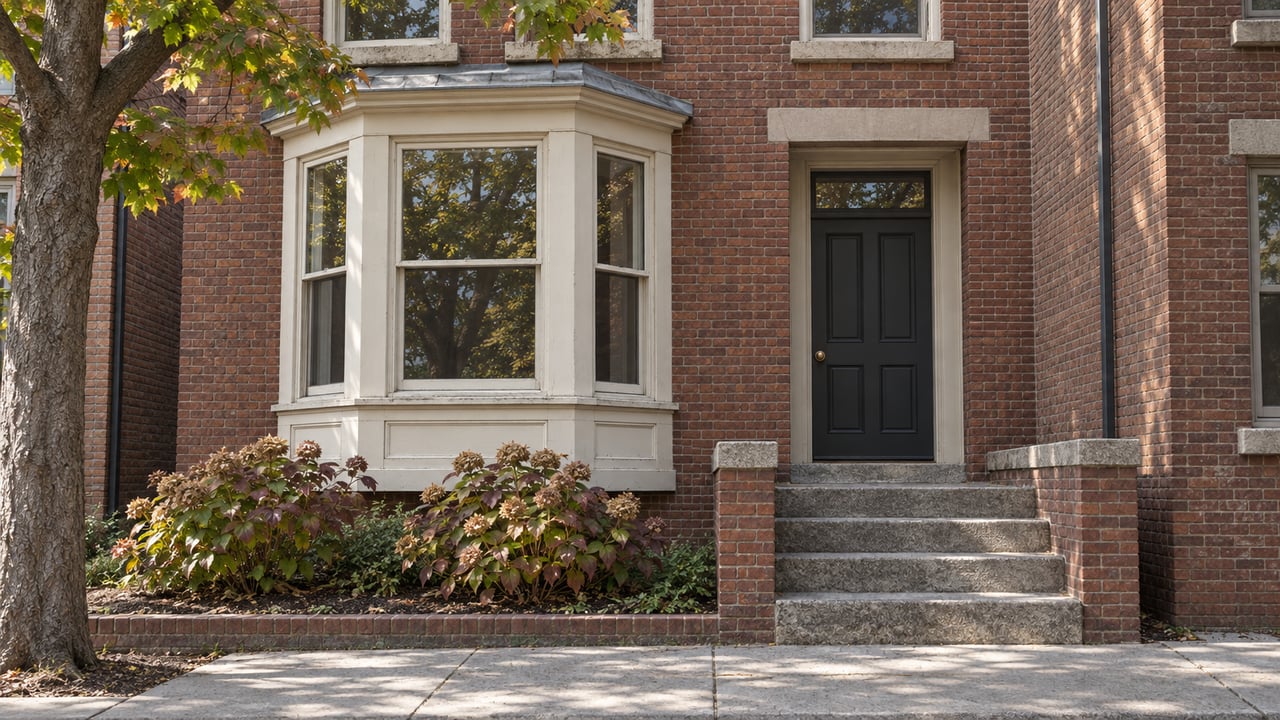
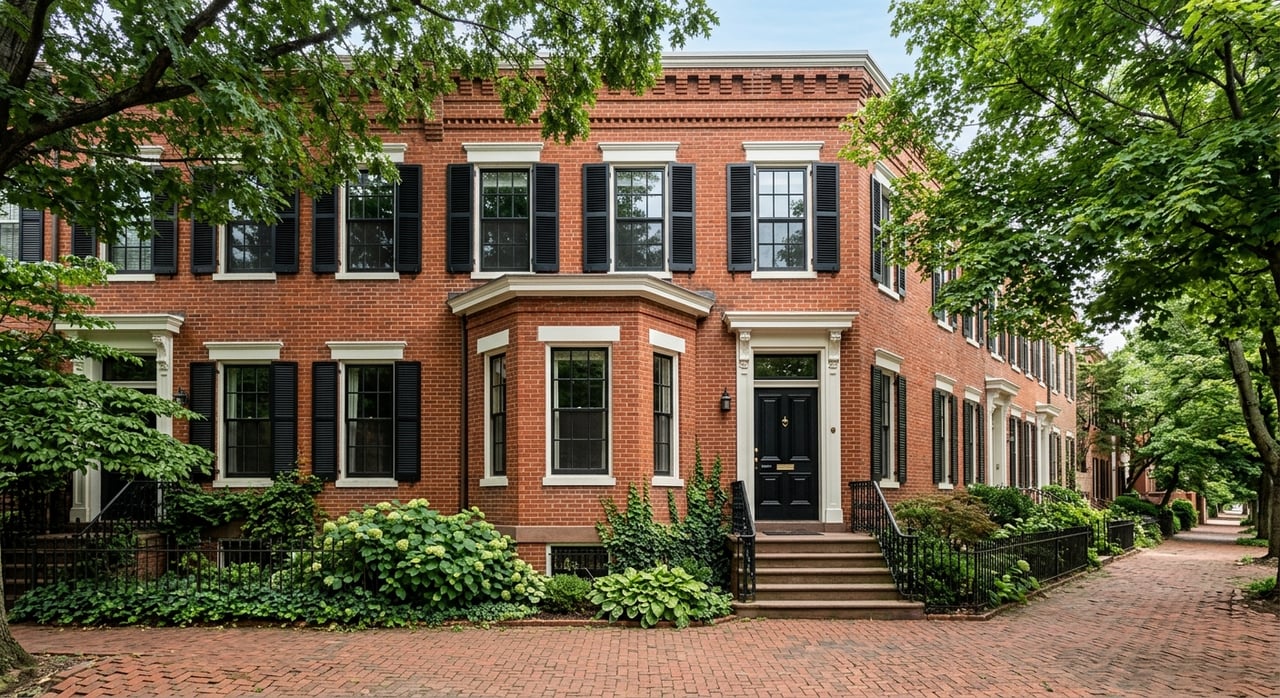
Richmond’s Museum District, historically known as West of the Boulevard, is more than a name on a map. It is one of the city’s most recognized historic neighborhoods, with a built environment shaped by early 20th-century architecture.
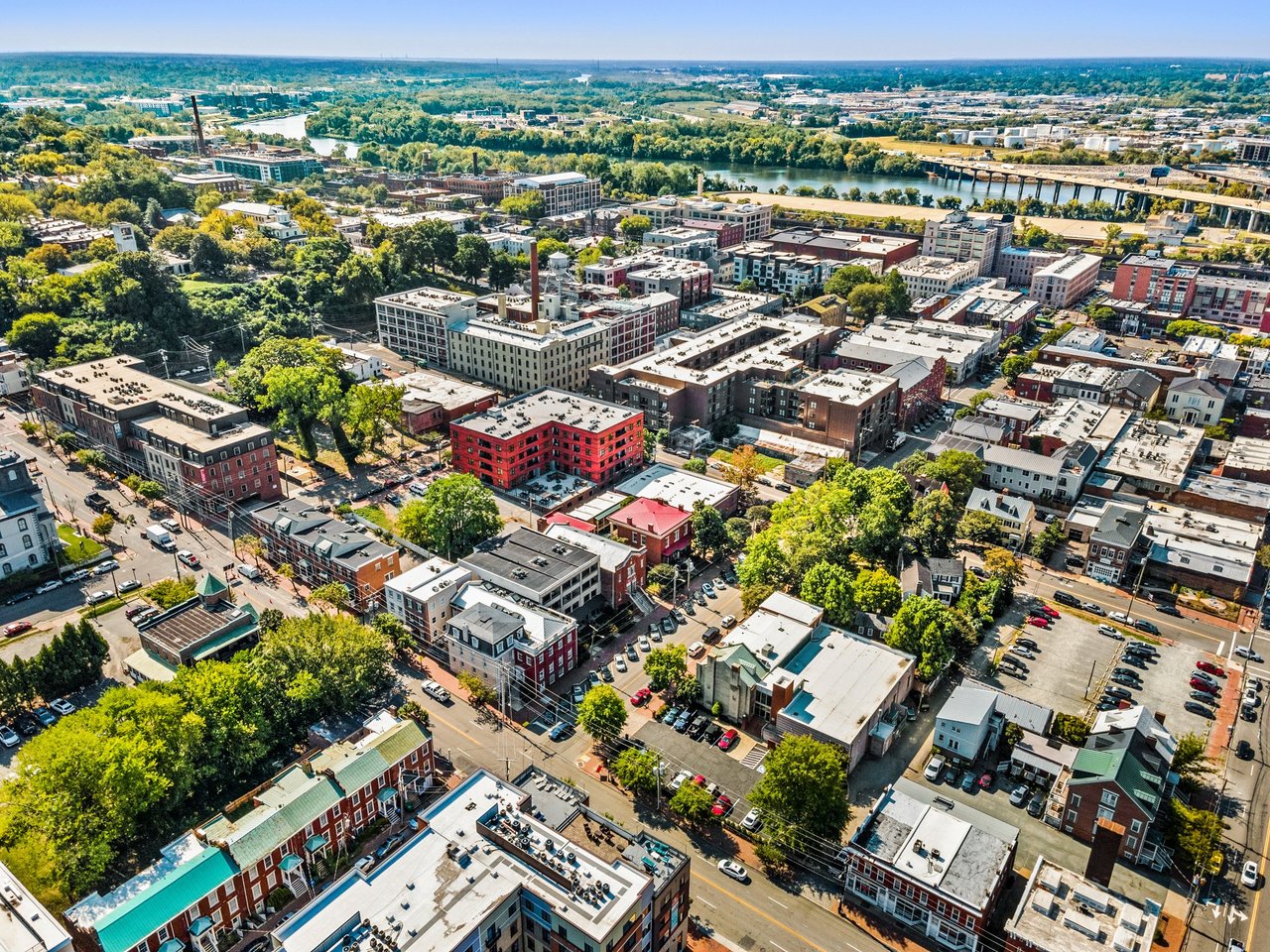
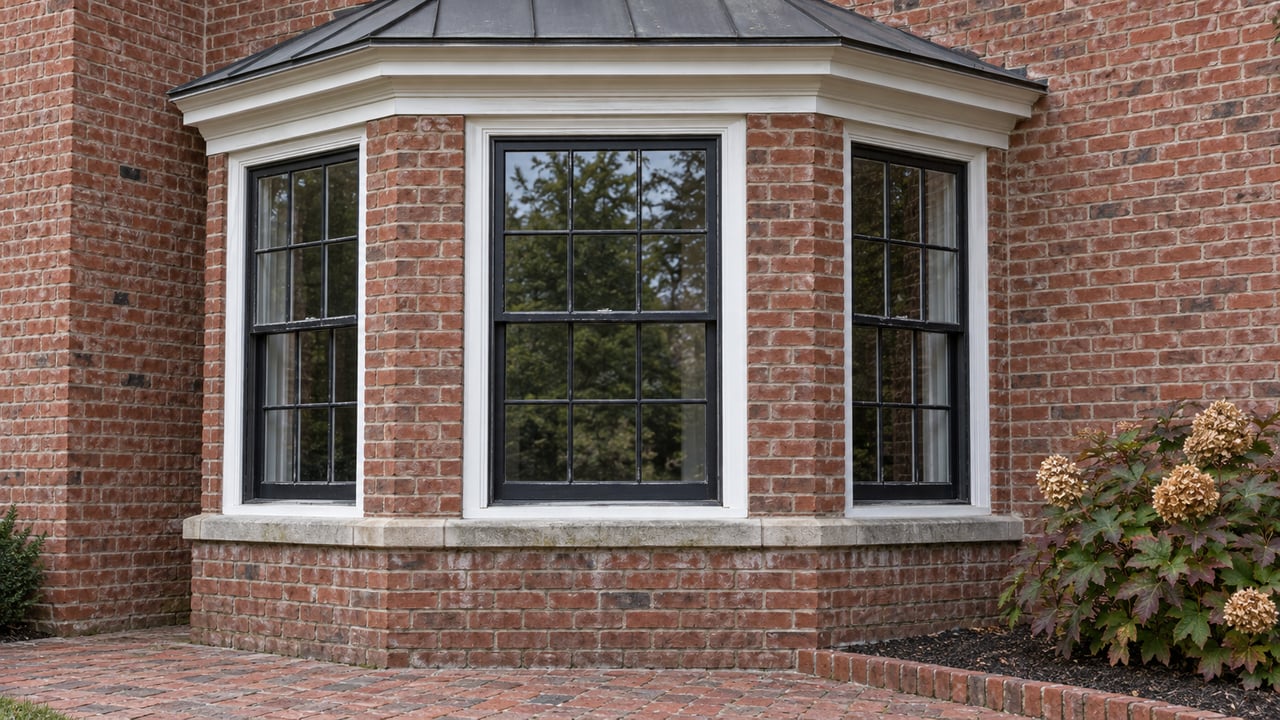
According to the Museum District Association, the neighborhood includes brick row houses, detached townhouses, apartment buildings, small commercial buildings, churches, a synagogue, and schools. The district became Virginia’s third-largest historic district in 1993 and was added to the National Register in 1994.
That history still shows up in daily life. The streetscape feels established and walkable, and the neighborhood’s architecture gives the area a strong sense of place without feeling frozen in time.
Art anchors in the neighborhood
The Museum District earns its name honestly. You are close to some of Richmond’s best-known cultural institutions, which helps give the neighborhood a steady rhythm beyond just weekends and special occasions.
Virginia Museum of Fine Arts
The Virginia Museum of Fine Arts is one of the largest comprehensive art museums in the United States. Visit Richmond notes that it is open 365 days a year and offers free general admission, which makes it easy to stop in often rather than saving it for a major outing.
VMFA also supports recurring evening programming through After 5 Fridays. These events combine live music, dancing, drink specials, highlight tours, and free access to the permanent collection, giving the area a built-in after-work arts scene.
Virginia Museum of History & Culture
The Virginia Museum of History & Culture sits at Kensington Avenue and North Arthur Ashe Boulevard in the Museum District. Its galleries present Virginia history from Native America to the modern era, adding another layer to the neighborhood’s cultural identity.
For residents and visitors, that means the area offers more than visual art alone. You have access to spaces that invite repeat visits and different kinds of learning and exploration.
Science Museum and nearby arts spots
Just nearby on West Broad Street, the Science Museum of Virginia adds a more hands-on experience. Its website says The Dome is the largest screen in Richmond, which helps round out the district’s appeal for a wide range of interests.
Adjacent Carytown also adds the historic Byrd Theatre to the broader cultural mix. Together, these destinations reinforce the Museum District as a place where arts and entertainment are part of everyday life, not just an occasional plan.
Food and coffee near the museums
One reason the Museum District stands out is how naturally food and culture overlap. You can spend part of the day at a museum, then walk or head a short distance to coffee, lunch, or dinner without losing that neighborhood feel.
Visit Richmond points to nearby favorites such as Black Hand Coffee, Truckle Cheesemongers, North End Juice Co., Akida, Chiocca’s, and The Stables. That range speaks to the kind of casual variety people tend to value in a walkable neighborhood.
Within the neighborhood itself, Belmont Butchery is another example of the specialty-food retail that supports day-to-day living. It is not just about destination dining. It is also about the convenience and enjoyment of having useful local businesses close by.
Carytown expands your options
Because Carytown sits right next to the Museum District, it becomes part of the lifestyle equation too. Carytown RVA describes it as a locally owned shopping, dining, and entertainment district, and its food directory includes a broad mix of restaurants, coffee spots, dessert shops, bakeries, and quick bites.
Notable names listed by Carytown RVA include Can Can Brasserie, Minglewood Bake Shop, Bev’s Homemade Ice Cream & Café, Greek on Cary, New York Deli, The Daily Kitchen & Bar, Sugar & Twine, Zorch Pizza, and Carytown Farmers Market. For you, that means the dining scene is not limited to one block or one style.
This close connection between the Museum District and Carytown is part of what makes the area feel so livable. You get neighborhood-scale charm with a wider set of dining and entertainment choices just next door.
Festivals and recurring events
If you want to understand what a neighborhood feels like, look at how people gather. In the Museum District, recurring events help turn local amenities into real community routines.
Mother’s Day House & Garden Tour
The Museum District Association’s Mother’s Day House & Garden Tour is one of the area’s signature events. The association says the tour is now in its 31st year and gives guests access to historic homes, gardens, and institutions in the neighborhood.
It is also more than a showcase. According to the association, proceeds are reinvested in neighborhood maintenance, beautification, and safety, while also supporting local nonprofits.
Over more than 30 years, the tour has opened more than 200 homes and gardens to more than 18,000 guests. That kind of long-running participation says a lot about neighborhood pride and the value residents place on preserving the area’s character.
Carytown Watermelon Festival
The Carytown Watermelon Festival is another major annual event tied closely to life around the Museum District. The festival site says it runs from Carytown to the Byrd Theatre, is free to attend, and features 80 musicians, more than 100 exhibitors, and multiple stages.
The festival also describes itself as the largest one-day festival in Virginia. The City of Richmond says it draws more than 100,000 attendees and is one of the city’s signature food festivals.
For residents, this event can be a highlight of the year. It also means planning around heavier foot traffic and more parking pressure during major event days.
Everyday community life
Not every meaningful neighborhood event is a large festival. The Museum District Association also highlights town halls, clean-up days, and block parties, all of which help keep the area socially connected.
That steady calendar matters. It suggests that the Museum District is not just a place with attractions, but a place where neighbors stay engaged in the life and upkeep of the community.
What daily life feels like
The Museum District offers an amenity-rich version of central Richmond living. Based on the local sources, you can walk to museums, nearby restaurants, coffee shops, grocery options, banks, Belmont Library, and many everyday services.
The Museum District Association says its business map includes more than 120 brick-and-mortar businesses, churches, government agencies, and nonprofits. That kind of density helps explain why the area feels practical as well as charming.
In simple terms, the neighborhood supports both errands and enjoyment. You are not choosing between convenience and character as much as you might in other areas.
Walkability with tradeoffs
Walkability is one of the area’s biggest strengths, but it does come with a tradeoff during large events. Carytown’s own site provides information about parking decks and 3-hour street parking, yet the scale of events like the Watermelon Festival can still mean congestion.
For some people, that extra energy is part of the appeal. For others, it is worth knowing in advance so expectations match the reality of living near some of Richmond’s busiest cultural and event spaces.
Why this matters in real estate
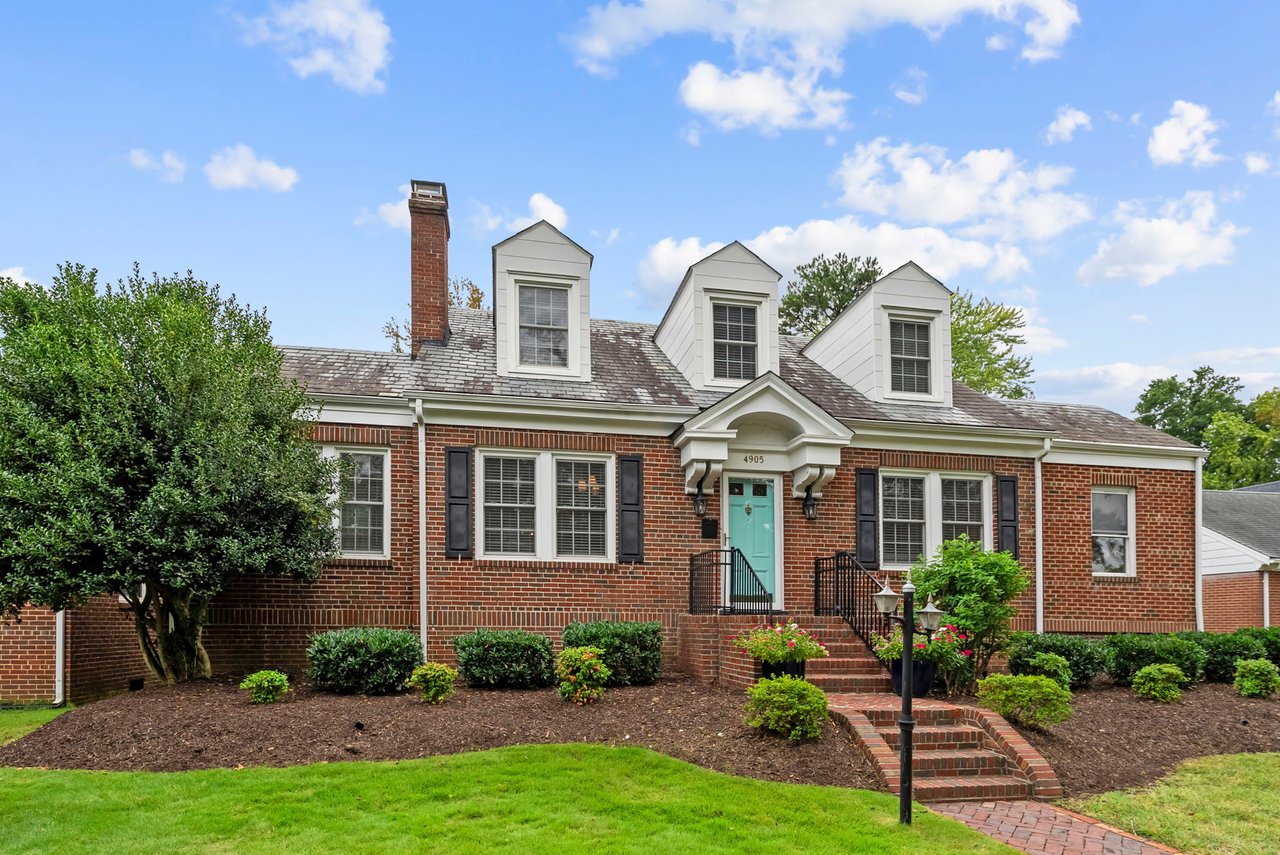
When you think about buying or selling in the Museum District, lifestyle is a big part of the story. A neighborhood with major museums, independent dining, civic traditions, and strong walkability tends to attract people who care about how their home connects to daily life.
For buyers, that means looking beyond square footage and finishes. It helps to think about how often you would actually use the museums, restaurants, and neighborhood events that make this area distinct.
For sellers, those same features matter when presenting a home to the market. The story is not just about the house itself, but also about the rhythm of life around it.
If you are exploring the Museum District, a neighborhood-first approach can help you weigh character, convenience, and practical tradeoffs with more confidence. And if you are preparing to buy or sell in Richmond, Gary Martin can help you connect the home search to the lifestyle you want.
FAQs
What is the Museum District in Richmond known for?
- The Museum District is known for its early 20th-century architecture, major museums, walkability, neighborhood businesses, and recurring community events.
What museums are located in Richmond’s Museum District?
- The Museum District includes the Virginia Museum of Fine Arts and the Virginia Museum of History & Culture, and it is also close to the Science Museum of Virginia.
What food and coffee spots are near the Museum District in Richmond?
- Local sources name nearby options such as Black Hand Coffee, Truckle Cheesemongers, North End Juice Co., Akida, Chiocca’s, The Stables, and many Carytown dining spots.
What festivals take place near Richmond’s Museum District?
- Signature events include the Museum District Association’s Mother’s Day House & Garden Tour and the Carytown Watermelon Festival.
Is Richmond’s Museum District walkable for daily errands and outings?
- Yes. The Museum District Association says residents can walk to Carytown, grocery stores, Belmont Library, banks, and other everyday services.
What is it like to live near Carytown and the Museum District in Richmond?
- Living near the Museum District and Carytown can mean easy access to art, dining, shopping, and events, with the main tradeoff being more congestion and parking pressure during large festivals.