As someone who spends every day walking Richmond's neighborhoods, touring homes, and helping families invest here, I've been following the City's Zoning Code Refresh closely lately.
I believe Richmond needs thoughtful housing solutions. Growth is inevitable, and creating opportunities for future residents is important.
But I also believe we have to be honest about the questions many homeowners are asking.
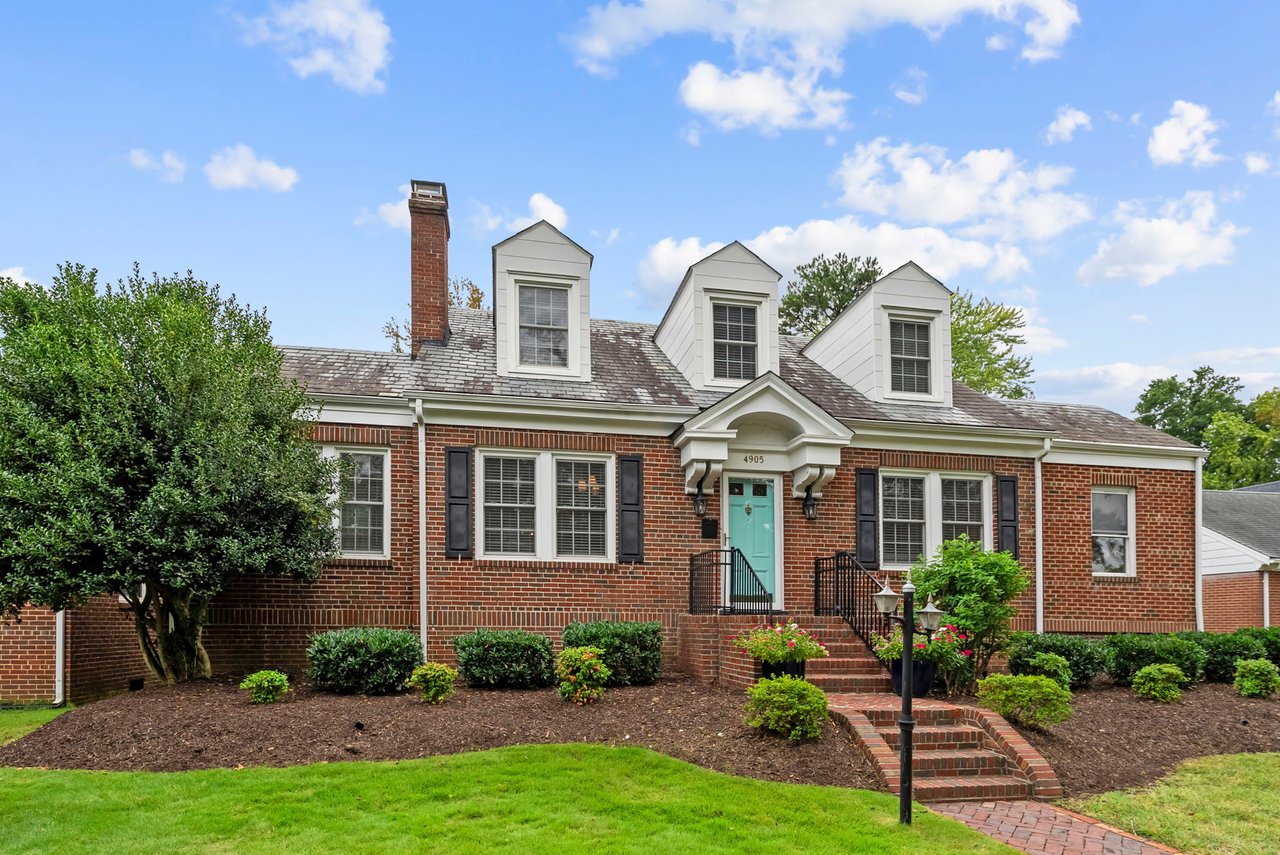
One of the most significant proposals would make it easier to add Accessory Dwelling Units (ADUs) and expand opportunities for two-family housing in areas that have historically consisted primarily of single-family homes.
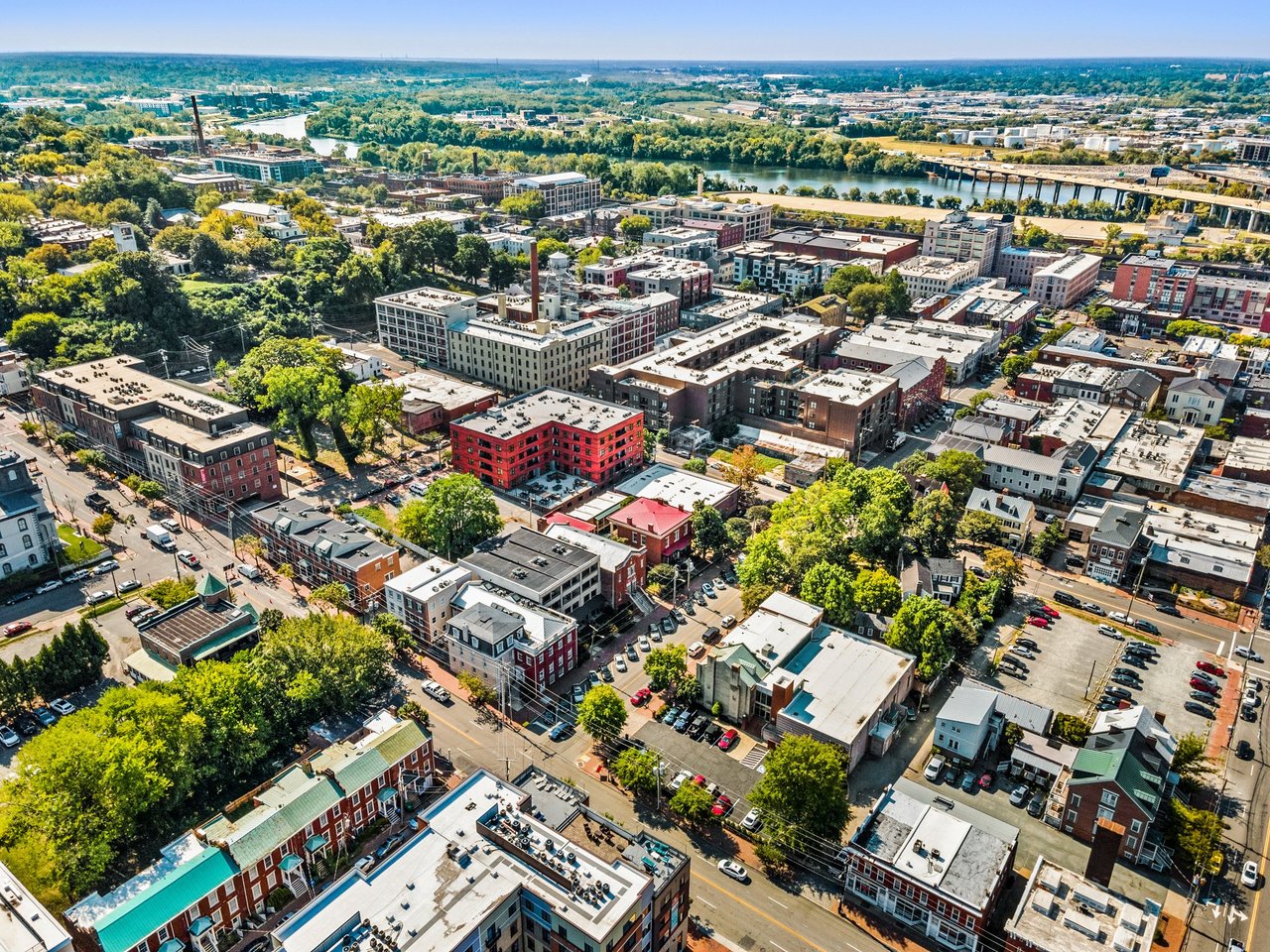
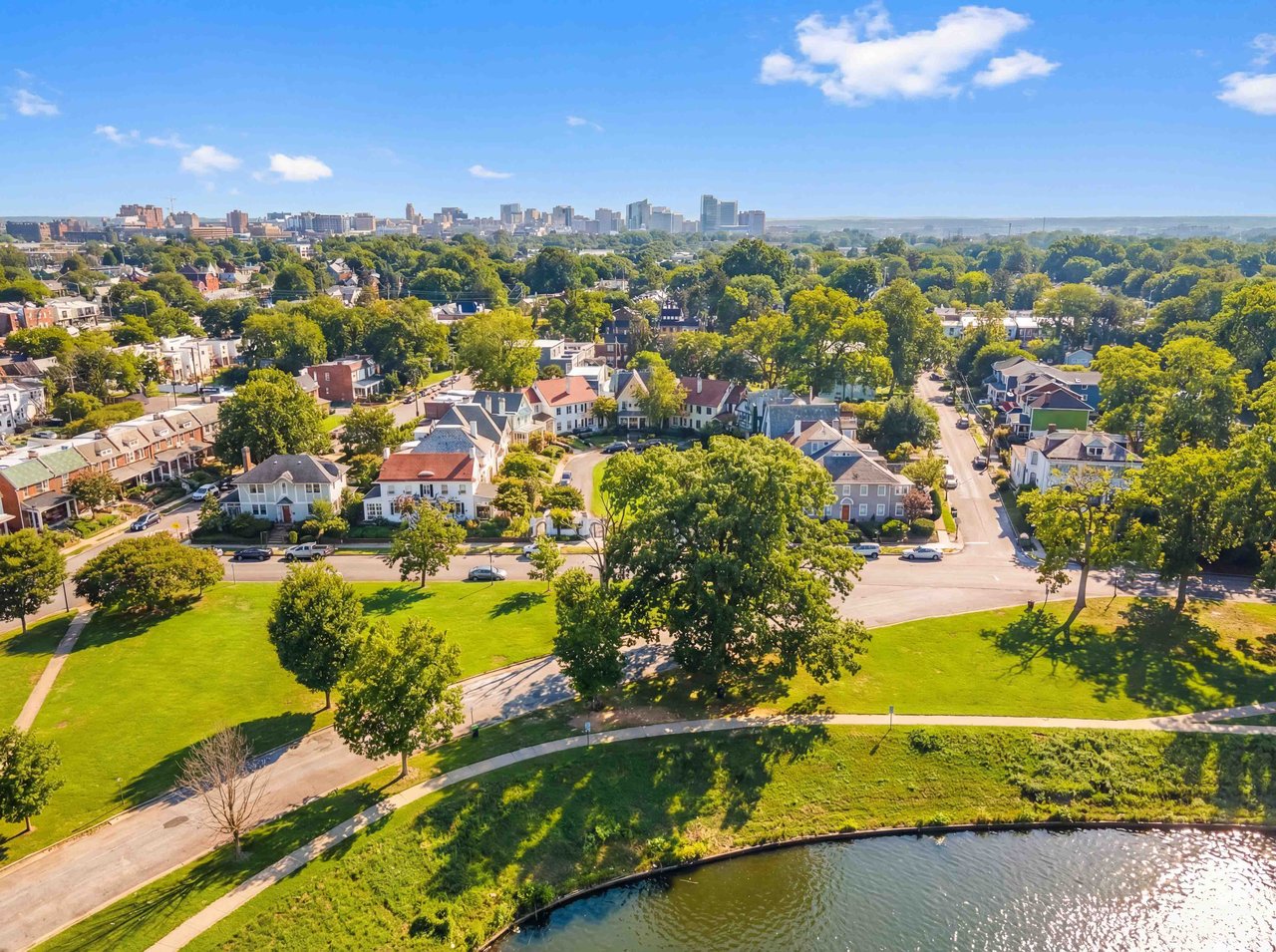
For neighborhoods like The Fan, Museum District, Church Hill, Byrd Park, Bellevue, and parts of the Near West End, these aren't just zoning changes—they have the potential to shape what these communities look and feel like for generations.
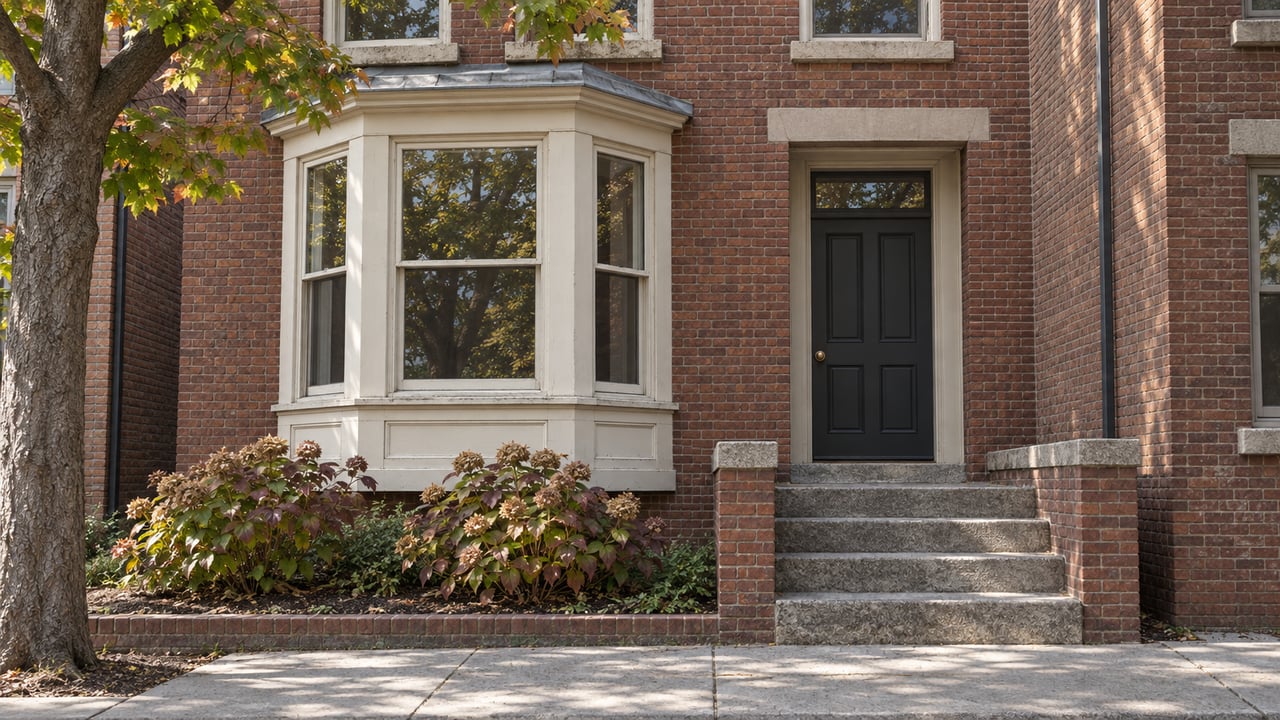
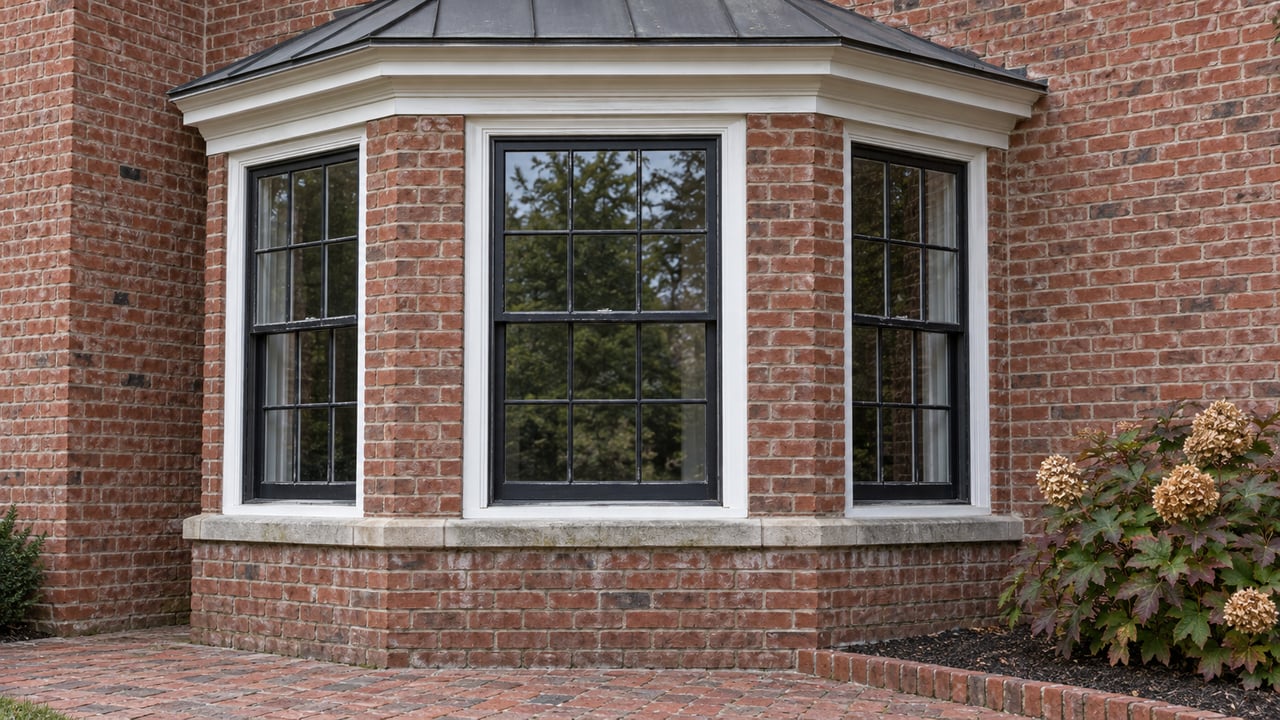
These neighborhoods are some of Richmond's greatest assets because of their historic architecture, tree-lined streets, carefully preserved homes, and unique sense of place. Once that character changes, it's incredibly difficult to restore.
Beyond neighborhood character, I think we also need to have a serious conversation about infrastructure.
Richmond has experienced major infrastructure challenges in recent years, including the citywide water crisis that affected residents and businesses. We also rely on portions of a sewer system that are more than a century old. As Realtors, it's common to recommend sewer line inspections and even service-line insurance because aging infrastructure can present real risks for homeowners.
Before significantly increasing residential density in established neighborhoods, I believe residents deserve confidence that our water, sewer, roads, stormwater systems, and public services can reliably support that growth over the long term.
That doesn't mean Richmond shouldn't evolve.
It means growth should be intentional. We should preserve the historic neighborhoods that make Richmond one of the most desirable cities in the country while investing in the infrastructure necessary to support future development responsibly.
This conversation doesn't have to be framed as "for" or "against" growth.
It should be about balancing housing needs with historic preservation, infrastructure investment, and the long-term quality of life that has drawn so many people to Richmond in the first place.
Richmond is one of America's great historic cities. My hope is that, as these decisions are made, we continue to protect the character that makes neighborhoods like The Fan, Museum District, Church Hill, Byrd Park, and the Near West End unlike anywhere else.
I'd genuinely like to hear from homeowners, architects, planners, preservationists, and neighbors. What do you think Richmond's future should look like?