Thinking about selling your Near West End home? The biggest mistake many sellers make is treating listing prep like a weekend chore instead of a plan. If you want your home to photograph well, show cleanly, and move to market with fewer surprises, a clear pre-listing checklist can make all the difference. Here’s how to get your West End or Near West End home ready before it goes live. Let’s dive in.
Start With a Clear Pre-Listing Plan
The best pre-listing prep is usually not about a major remodel. It is about creating a home that feels open, clean, and easy for buyers to picture as their own. According to 2025 staging research from the National Association of Realtors, 83% of buyers’ agents said staging makes it easier for buyers to visualize a property as their future home.
That same research found that 29% of sellers’ agents saw staged homes receive 1% to 10% more in offered value, while 49% saw reduced time on market. For many Near West End sellers, that supports a practical strategy: focus first on presentation, flow, and photography rather than diving into large renovation projects.
Declutter Before You Do Anything Else
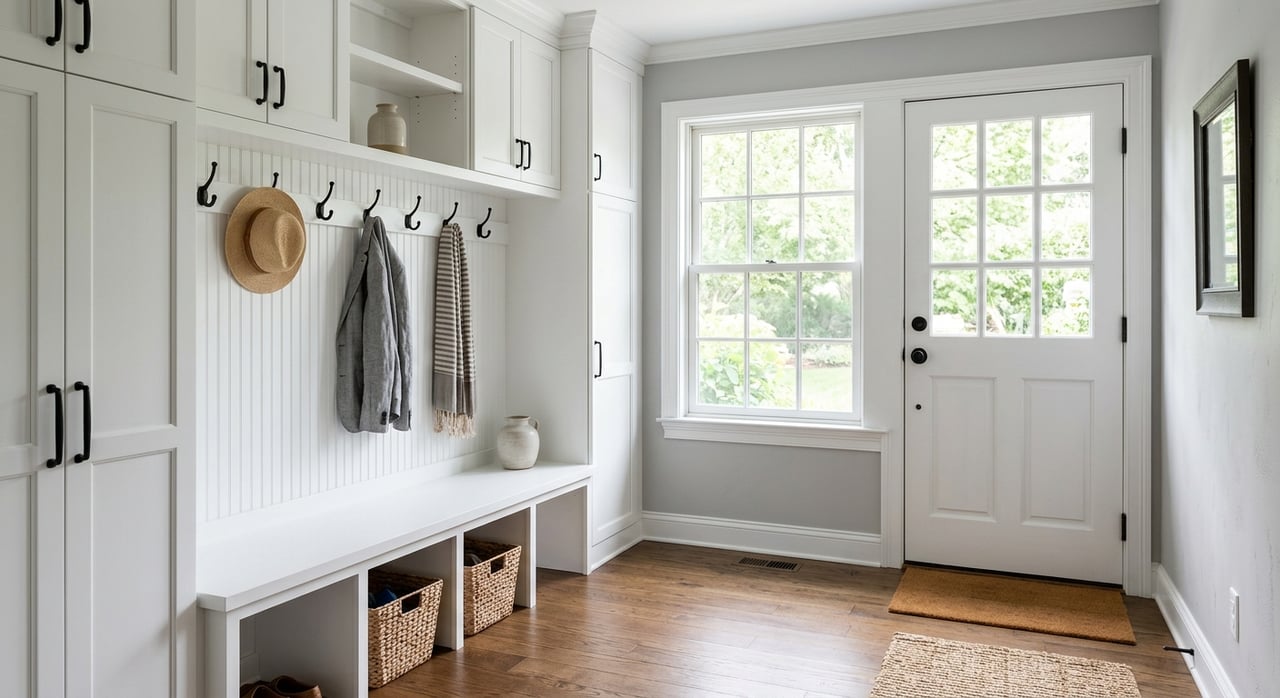
If your home feels full to you, it will likely feel even fuller in listing photos. A strong first step is to remove personal items, reduce visual clutter, and create more breathing room in every major space.
NAR recommends packing away personal items, using storage if needed, and keeping closets about half full so rooms feel larger. You can also improve room flow by clearing countertops, simplifying bookshelves, and removing bulky furniture that makes spaces feel tighter than they are.
What to Pack Away Early
A simple early packing plan can save you time later and make the home feel more move-in ready during showings.
- Personal photos
- Excess decor
- Valuables
- Off-season clothing
- Extra countertop appliances
- Overflow items from closets and shelving
Depersonalize and Neutralize Key Spaces
Your goal is not to erase the character of your home. It is to help buyers focus on the space itself instead of your day-to-day life. That usually means toning down strong visual distractions and keeping the look clean and calm.
NAR’s staging guidance supports using neutral paint where needed and avoiding overfilled rooms. If a room has bold colors, heavy decor, or too much furniture, small edits can often have a much bigger impact than you expect.
Tackle Visible Maintenance Before Photos
Before professional photography is scheduled, take care of the issues buyers will notice right away. Small defects can stand out in online photos and distract buyers during showings, even when the rest of the home is appealing.
This is the time to separate minor repairs from major projects. The goal is not a full renovation. The goal is to remove obvious distractions and present the home as cared for.
Focus on High-Impact Fixes
NAR recommends painting where needed, using soft neutral colors, and improving first impressions at the entry. It also suggests details like fresh towels in bathrooms and fresh bedding in bedrooms.
Use this checklist before photography:
- Touch up chipped or worn paint
- Replace burned-out light bulbs
- Tighten loose hardware
- Clean windows and mirrors
- Refresh towels and bedding
- Straighten landscaping near the entry
- Add a clean doormat
- Use a few simple potted plants if appropriate
Stage the Rooms Buyers Notice First
If you are not staging every room, start where the payoff is highest. NAR’s 2025 staging findings ranked the living room as the most important room to stage, followed by the primary bedroom and kitchen.
That gives you a smart order of operations if you are selling on a timeline. Put your energy and budget into the spaces buyers tend to notice first, then work outward to secondary rooms.
Best Room Order for Staging
- Living room
- Primary bedroom
- Kitchen
- Dining area
- Secondary bedrooms
- Bathrooms
- Outdoor entry areas
For many Near West End homes, this approach works especially well because it highlights room flow, natural light, and everyday livability without forcing unnecessary updates.
Plan for Older-Home Repairs Carefully
If your home was built before 1978, be cautious about any repair work that disturbs painted surfaces. The EPA says most housing built before 1978 is covered by federal lead disclosure rules, and renovation, repair, and painting work in these homes can create hazardous lead dust.
EPA guidance also says firms doing this work must be certified and use lead-safe work practices. If you are planning prep work that involves sanding, scraping, or similar disturbance, it is wise to sort that out early instead of treating it like a last-minute cosmetic fix.
Gather Virginia Disclosure Paperwork Early
Paperwork is a big part of pre-listing prep, and it is easier to handle before your home hits the market. In Virginia, the Department of Professional and Occupational Regulation says sellers must complete a Residential Property Disclosures Acknowledgement Form.
DPOR also notes that additional forms may apply depending on the property. These can include forms related to flood risk, septic waiver, military air installation, methamphetamine manufacture, zoning or building-code violations, stormwater facilities, repetitive-risk loss, and common interest community disclosures.
Why Early Paperwork Matters
Virginia’s disclosure framework also makes clear that buyers are expected to do their own due diligence. That means your pre-listing process should include getting organized early so you are not chasing forms while trying to review offers or negotiate timelines.
Handle HOA or Condo Documents Up Front
If your Near West End property is part of an HOA, condo, or other common interest community, do not wait until the last minute to request association documents. Virginia law requires a resale disclosure process that includes a resale certificate, and the purchaser may have cancellation rights before settlement if required disclosures are not handled properly.
In practical terms, that means association paperwork can affect timing later in the transaction. Ordering those materials early can help reduce delays once your home is under contract.
Confirm Whether Richmond or Henrico Rules Apply
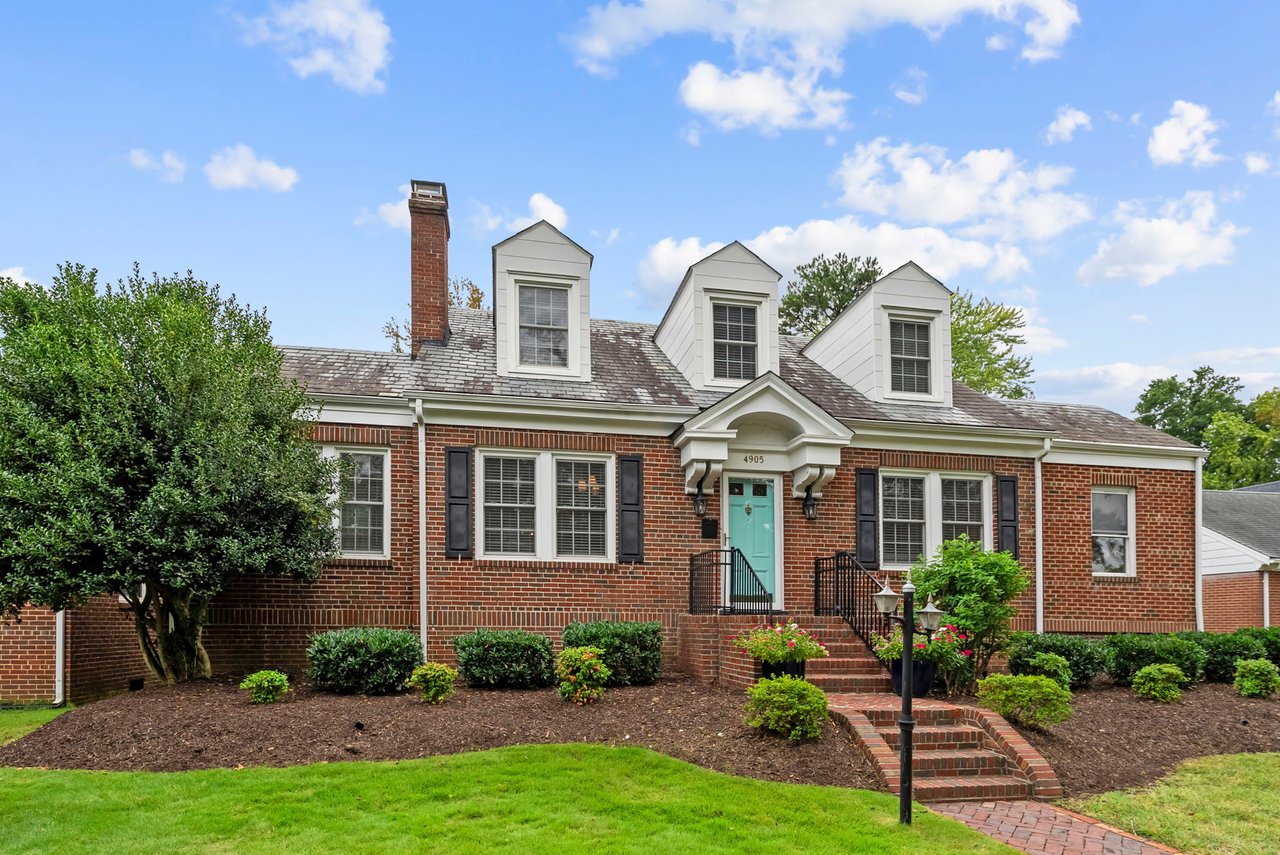
In the broader West End market, it is important to confirm the property’s jurisdiction before making exterior changes or requesting local records. Henrico County borders the City of Richmond on the west, north, and east, so a West End address and a Richmond mailing identity do not always mean the same local process applies.
That check matters most when you are planning exterior work. Different local review or permit requirements may apply depending on whether the property is in Richmond or Henrico.
Watch for Historic District Review in Richmond
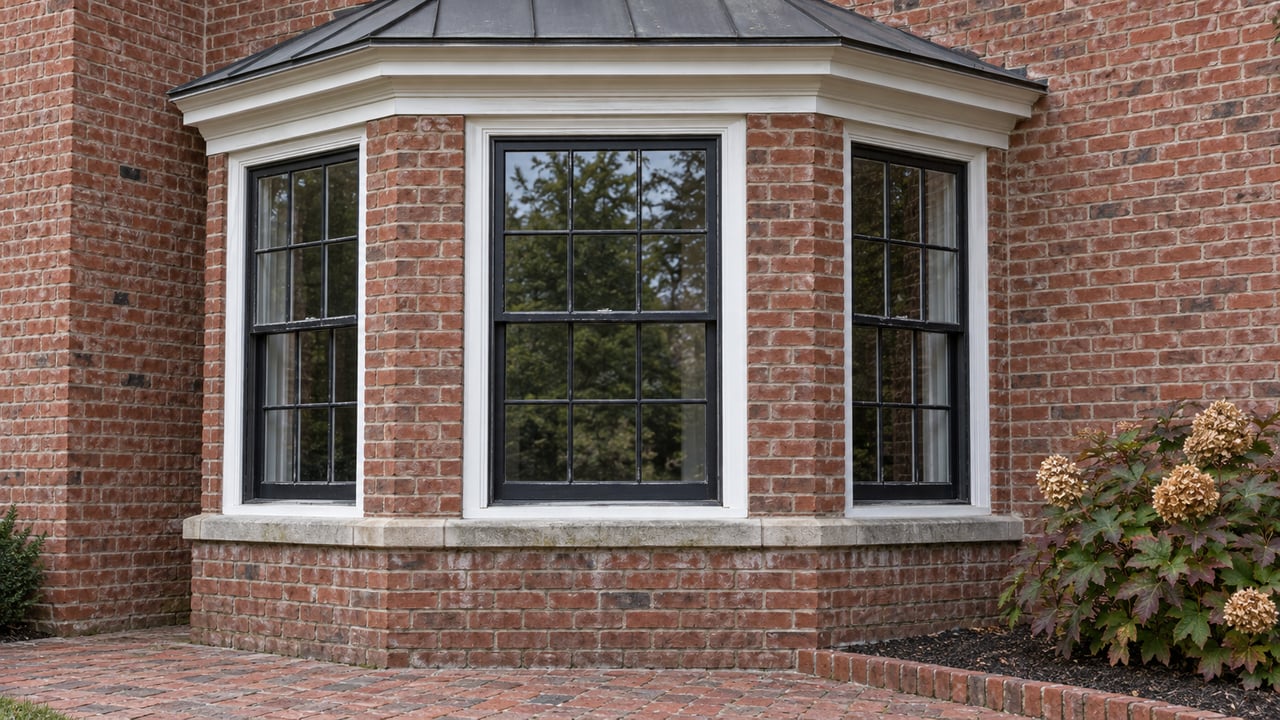
In Richmond, the Commission of Architectural Review has authority to issue or deny certificates of appropriateness for construction, alteration, reconstruction, repair, restoration, or demolition within old and historic districts. If your home is in one of those districts, visible exterior changes may require review.
That does not mean every pre-listing improvement becomes complicated. It simply means you should verify the rules before changing exterior elements that are visible from the street.
Time Your Photography With the Season
Good listing photography starts with prep, but timing matters too. If you are hoping to capture fall color in exterior photos, the Virginia Department of Forestry says Central Virginia usually reaches peak fall foliage around October 15 to October 25, though timing can vary from year to year based on temperature and rainfall.
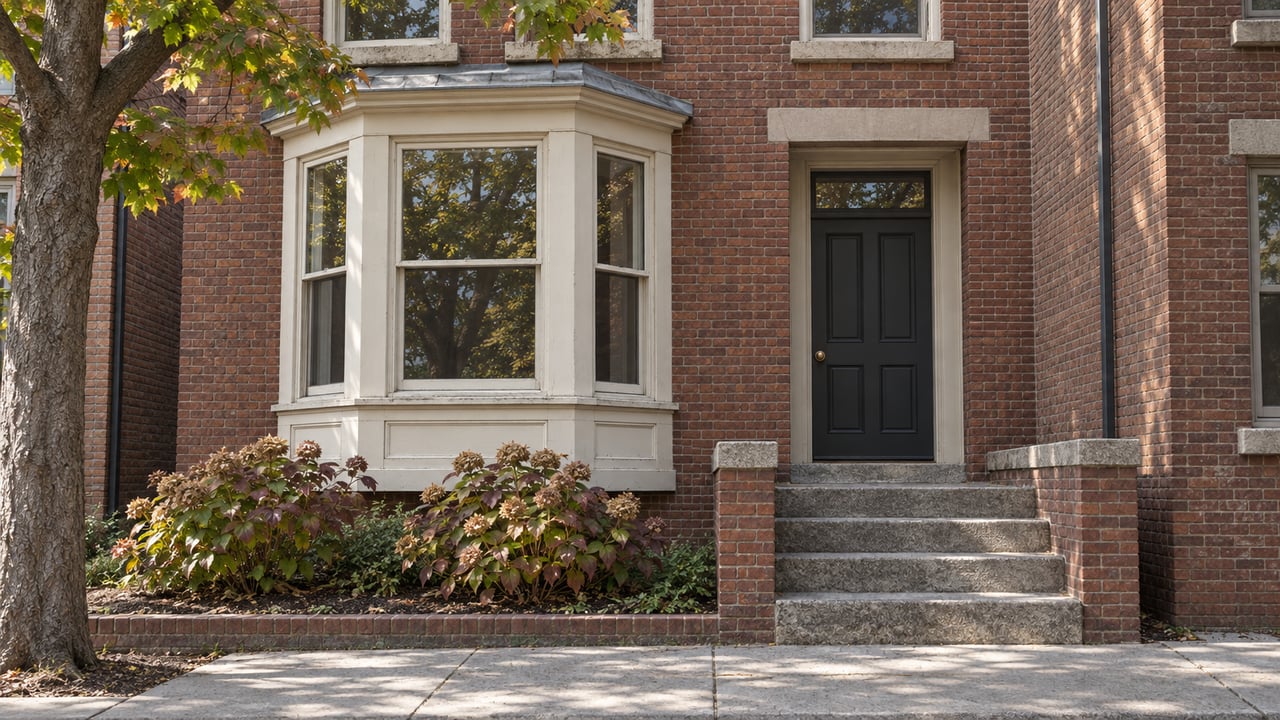
For Near West End sellers, that makes late October a useful planning window rather than a fixed deadline. If your street has mature trees and canopy appeal, coordinating exterior photography around seasonal color can strengthen first impressions online.
Know What Matters Most
When sellers feel overwhelmed, the best next step is usually not to do everything. It is to do the right things in the right order. Based on the guidance above, the biggest priorities are decluttering, cleaning, neutralizing, fixing visible issues, and getting required paperwork underway early.
That is also where local knowledge and construction judgment can help. A thoughtful pre-listing plan can help you avoid over-improving, focus your budget where buyers will notice it most, and get to market with a cleaner story.
If you are preparing to sell in the Near West End, a measured strategy usually beats a rushed one. When your home is presented clearly, photographed well, and backed by the right prep, you give yourself a better shot at a smoother sale. If you want a practical plan for staging, condition, and timing, Gary Martin can help you map out the next steps for your Richmond home.
FAQs
What should sellers do first before listing a Near West End home?
- Start by decluttering, depersonalizing, and clearing out bulky or excess items so the home feels more open in photos and showings.
Which rooms matter most when staging a Near West End home for sale?
- The living room matters most, followed by the primary bedroom and kitchen, according to NAR’s 2025 staging findings.
What Virginia disclosure form is required when selling a home?
- Virginia sellers must complete a Residential Property Disclosures Acknowledgement Form, and some properties may require additional disclosure forms.
When should sellers request HOA or condo resale documents in Virginia?
- Sellers should request those documents early in the pre-listing process to help avoid delays later in contract negotiations or before settlement.
Do Near West End sellers need to check whether the home is in Richmond or Henrico?
- Yes. Confirming the property’s jurisdiction is important before making exterior changes or requesting local records because local review and permit processes can differ.
What should sellers of pre-1978 Near West End homes know before repairs?
- Repairs that disturb painted surfaces should be planned carefully because lead-safe rules may apply, and certified firms may be required for certain work.
When is the best time for fall exterior listing photos in Central Virginia?
- A useful planning window is around October 15 to October 25, when Central Virginia usually sees peak fall color, though weather can shift the timing.