A buyer under contract on a Windsor Farms property recently asked her contractor how long a rear addition would take from signed plans to first shovel. He gave her a number based on permitting in Henrico or the city. That number was wrong, not because the contractor was bad at his job, but because he was answering a question about Richmond permitting when the real gate sits somewhere else entirely.
Windsor Farms' recorded covenants say that no structure of any kind can go up on a lot unless the plans are first "approved in writing by Windsor Farms, Incorporated, and filed in its office." That single clause, Covenant Two in the neighborhood's governing document, is the actual first step in any exterior project here, and it runs on its own timeline, separate from whatever the county or city permit office requires.
What Covenant Two Actually Requires
The covenant's language is broad on purpose. It does not carve out exceptions for additions, garages, fences, or outbuildings. The document defines "structure" once, and the only thing it excludes is plantings. Everything else built above ground on a Windsor Farms lot needs review by the neighborhood's Architectural Review Committee before construction starts, not before the certificate of occupancy, before the first stake goes in the ground.
That means a homeowner planning a rear deck, a pool house, or a garage addition is looking at two separate approval processes running in sequence: the ARC's sign-off on the plans, then whatever county or city permitting applies to the physical build. Skipping the first step doesn't make the second one easier. It just means the county-approved project may still be out of compliance with the deed the owner signed at closing.
Not the City's Historic District Rules
Richmond runs a public process for exterior changes in designated historic districts like the Fan. The city's Commission of Architectural Review handles that work under the zoning ordinance, with a defined fee schedule, staff-level sign-off for minor items like painting or porch decking, and full commission review for additions and new construction.
Windsor Farms doesn't route through that body at all. The review here happens entirely through a private corporation, Windsor Farms, Incorporated, and its Architectural Review Committee, operating under a document recorded decades ago rather than a section of city code. A homeowner who has renovated in the Fan and assumes the same review board, the same fee structure, or the same staff contacts will find none of it applies once the property sits inside Windsor Farms' boundary.
The covenant itself anticipates disagreement. If an owner is dissatisfied with the committee's decision, the document grants a right of appeal to a three-person board: one member chosen by the lot owner, one by Windsor Farms, Incorporated, and a third to settle the tie. Having an appeal path written into the recorded covenant gives owners a clear, defined route if a decision needs a second look, and it means that route is part of the paperwork a buyer inherits with the property.
Why the Same Renovation Costs More Here
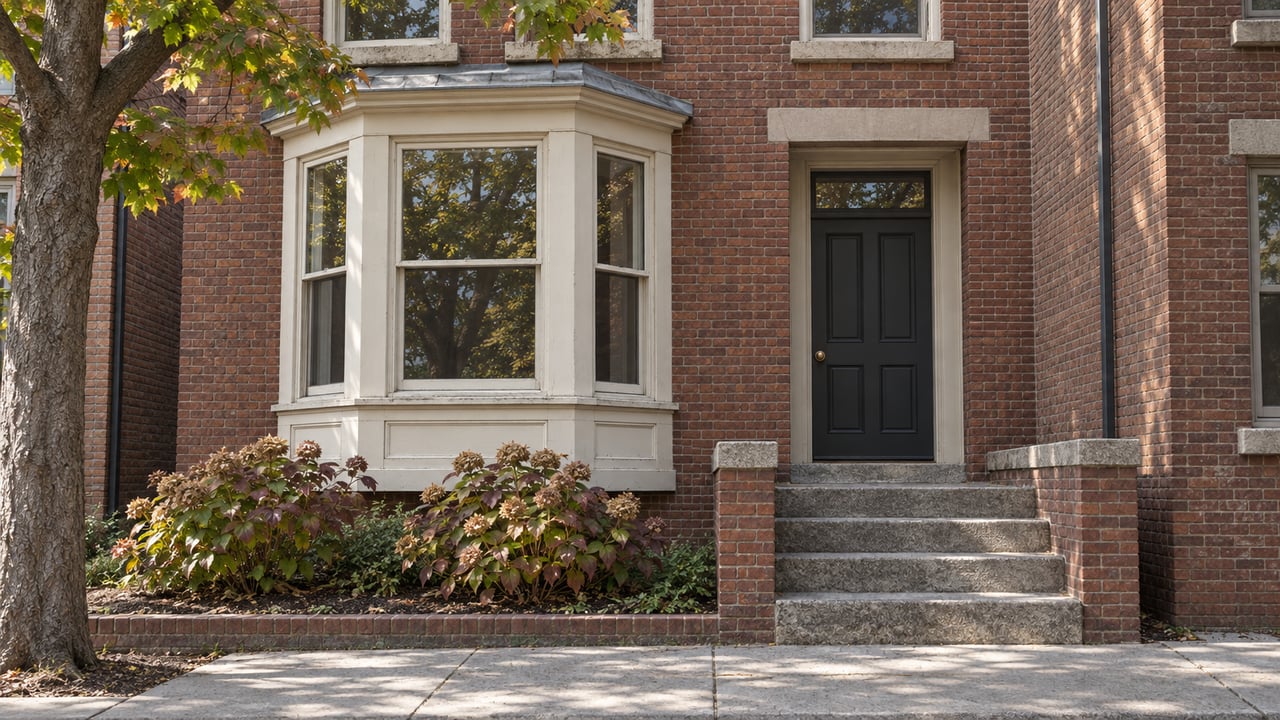
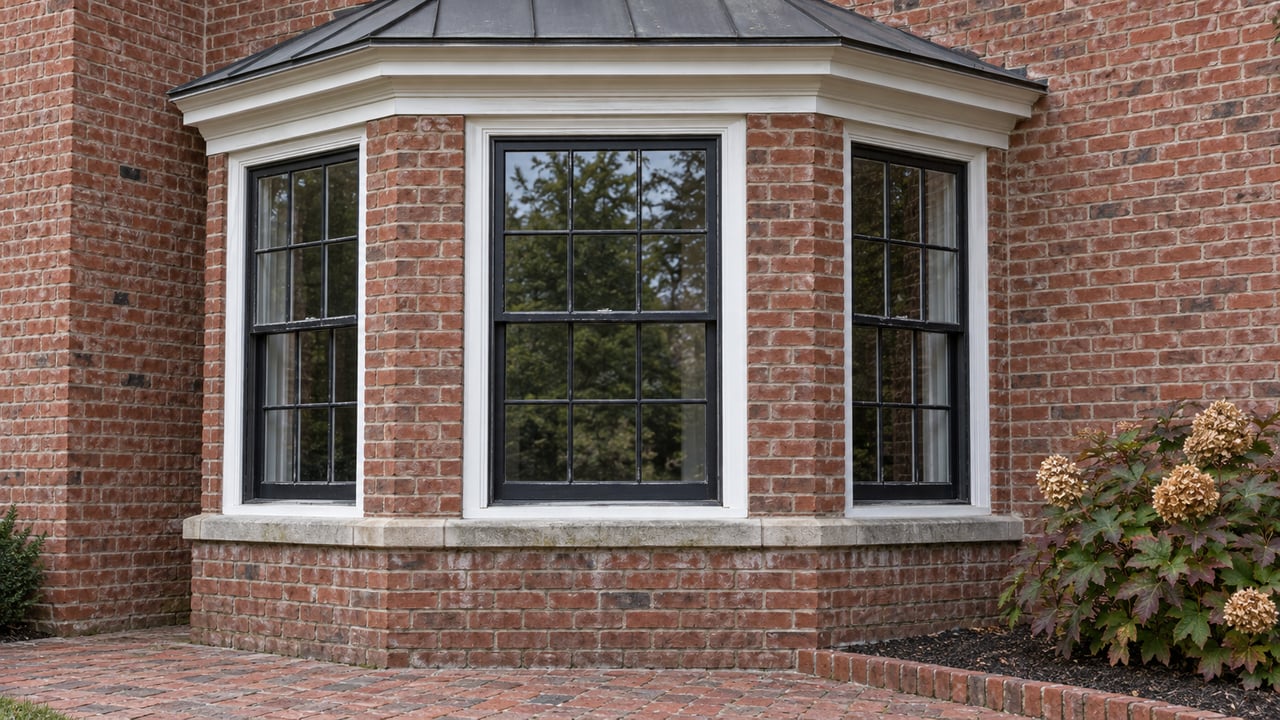
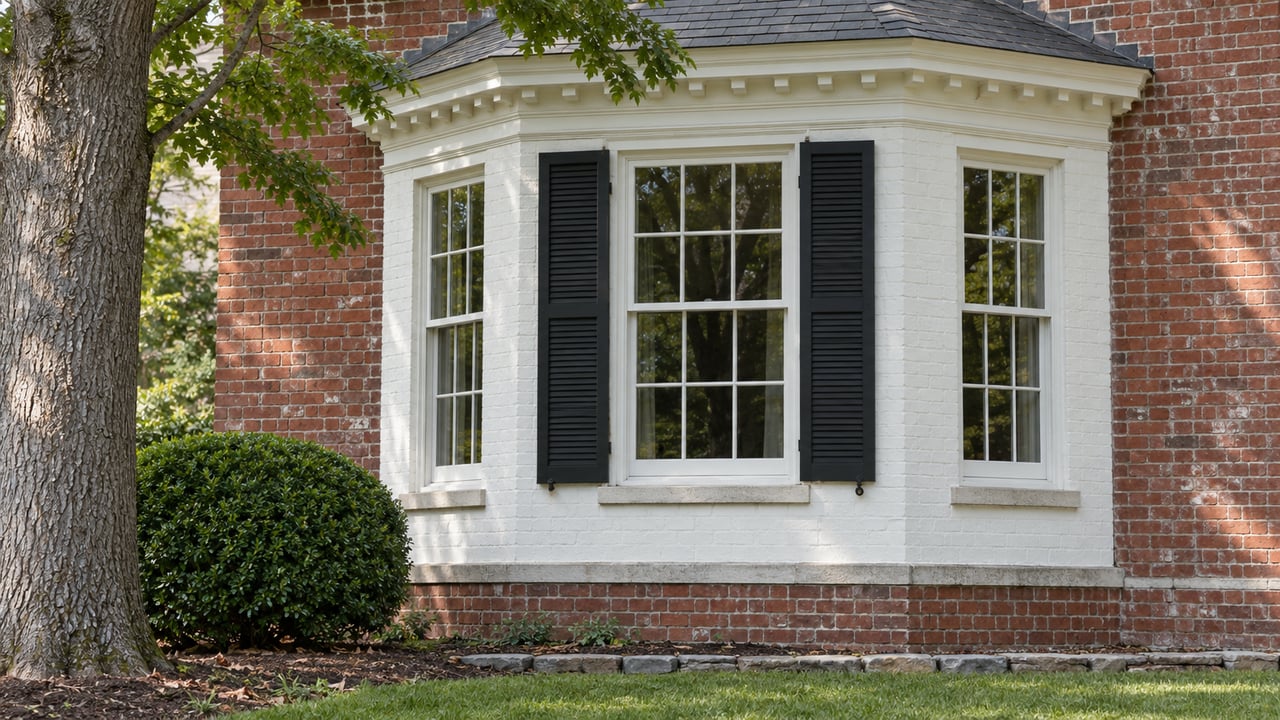
None of this shows up as a line item on a listing sheet, but it shows up in the invoice. Because exterior approval depends on matching the neighborhood's masonry construction and period detailing, a contractor pricing a kitchen bump-out or a roof replacement in Windsor Farms isn't just pricing labor and square footage. He's pricing brick or stone that matches an existing facade, roofing material consistent with what the committee has approved on similar houses, and a design pass that may need to be resubmitted if the first version doesn't clear review.
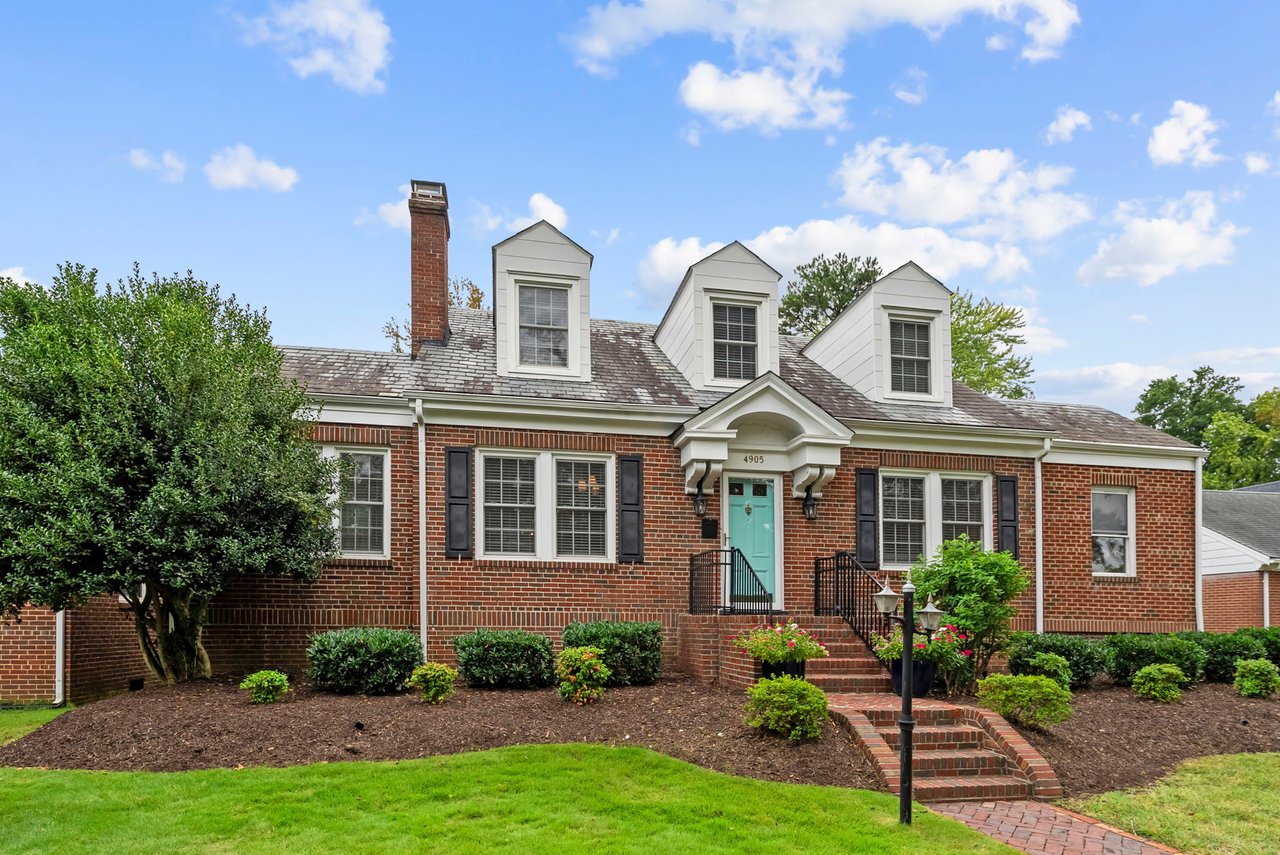
That adds real time before permitting even starts, and it adds cost that has nothing to do with finishes or fixtures. A buyer comparing a Windsor Farms property against a similarly priced house elsewhere along the River Road corridor should factor in that the exterior work here runs on a longer runway and a narrower materials list, not because the neighborhood is harder to work in, but because the covenant was written to keep the housing stock looking the way it has for a century.
What This Means Before You Write an Offer
For a buyer planning any exterior change, the practical move is to ask for the paper trail before closing, not after. If the current owner added a garage, screened porch, or fence in the last several years, request the ARC approval letter along with the county permit. A permit alone doesn't confirm the work cleared Windsor Farms' own review, and a gap between the two can surface later, either during a future sale or during the buyer's own renovation application.
A few things worth confirming directly with Windsor Farms, Incorporated rather than assuming from the listing:
- Whether any prior exterior work on the property has a corresponding ARC approval on file
- What the current annual maintenance charge actually is, since the covenant caps increases at 7 percent a year from a base written into the document decades ago, meaning the number on the page and the number an owner pays today can be very different
- Whether a planned addition or subdivision of the lot would trigger the covenant's one-acre minimum for any newly created parcel
For a seller, the useful move is proactive disclosure. If exterior work happened without a documented ARC sign-off, saying so upfront to a buyer's agent avoids a surprise during due diligence, and it's a much easier conversation before a contract than after an inspection contingency deadline.
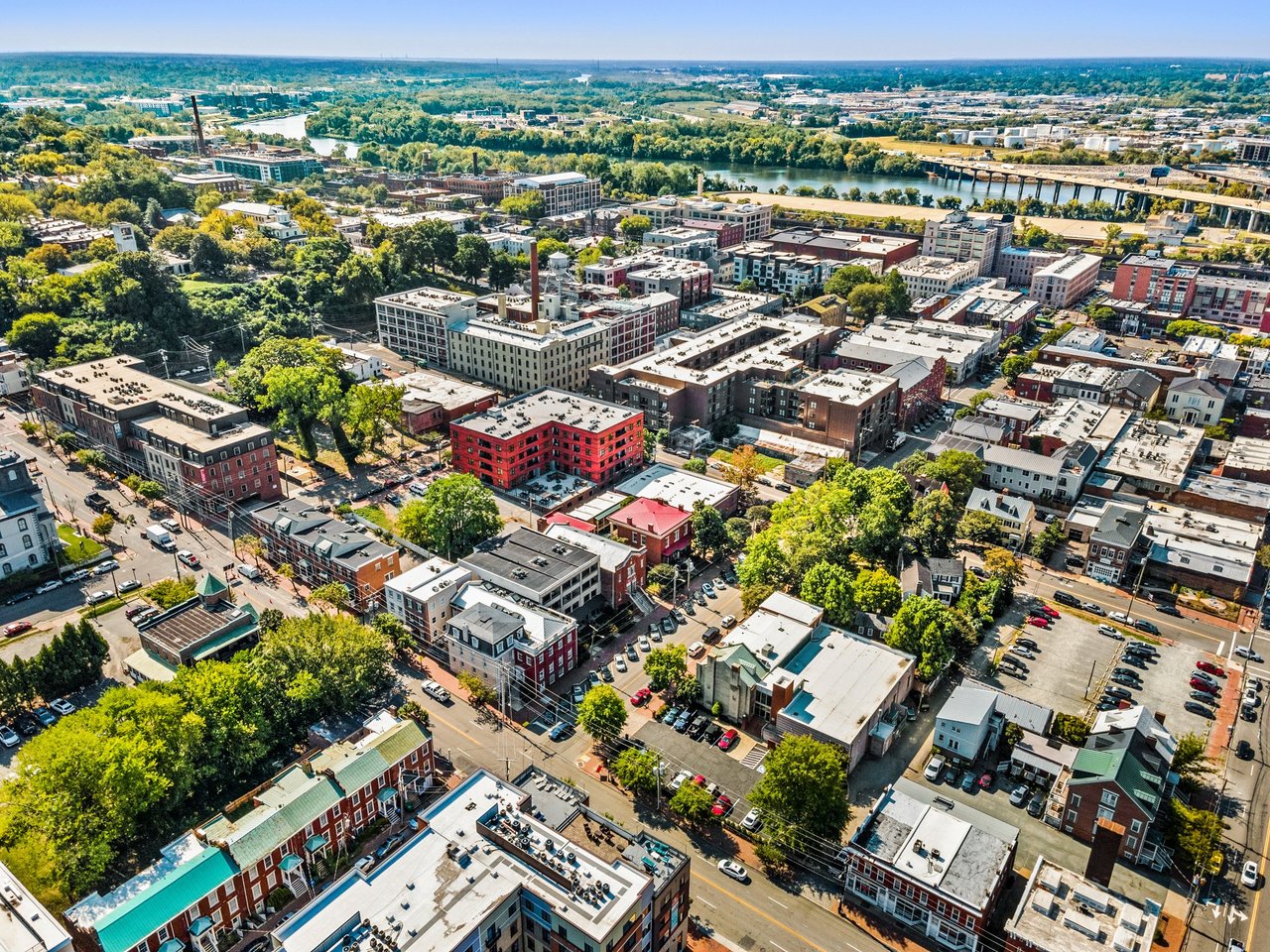
Buyers researching the River Road corridor generally, not just Windsor Farms specifically, run into a lighter version of the same question: how much of what they're buying is decided by covenant rather than by county code. Anyone weighing an exterior renovation before a sale should read that alongside a look at what actually moves the needle before listing a River Road home, since a covenant-bound exterior project has a different payback calculation than one with no committee to satisfy first.
A Few Questions Worth Settling Early
Does the covenant cover interior renovations too? The recorded language is about exterior construction, plans, and specifications. A kitchen remodel that doesn't touch the building's footprint or facade generally sits outside what the ARC reviews, though any exterior consequence of an interior change, like a new window opening, would still need approval.
What happens if a past owner built something without approval? The covenant doesn't spell out a penalty schedule, but an unapproved structure is still a compliance gap against a recorded document. It's the kind of thing a title search or a future ARC application can surface, and it's better identified by a seller before it becomes a buyer's problem after closing.
Is the annual charge the same as an HOA fee? Not in the amenity-and-clubhouse sense most buyers picture. It's a maintenance assessment written into the covenant itself, with a defined ceiling for annual increases, rather than a fee tied to shared community facilities.
If you're weighing a purchase in Windsor Farms or anywhere along the River Road corridor where a renovation is part of the plan, it's worth having the covenant conversation before the inspection conversation. Gary Martin - VA has walked buyers and sellers through exactly this kind of approval timeline, and can tell you what to ask Windsor Farms, Incorporated before you're already counting on a spring groundbreaking.
This article is general information, not legal, tax or financial advice. Consult a qualified professional about your situation.