Looking at a condo in Richmond’s Museum District? It is easy to fall for the charm first. Tree-lined blocks, historic architecture, and easy access to some of the city’s best-known cultural destinations give this neighborhood a strong lifestyle pull. But if you are buying here, the smartest move is to look past finishes and square footage and understand how the building functions day to day. This guide walks you through what matters most before you make an offer. Let’s dive in.
Museum District Condo Living
The Museum District is a Richmond city neighborhood, not a Henrico County neighborhood. It is part of Richmond’s historic west-side urban fabric, and official historic-district sources describe it as a large residential area with roughly 69 blocks and more than 1,700 contributing buildings.
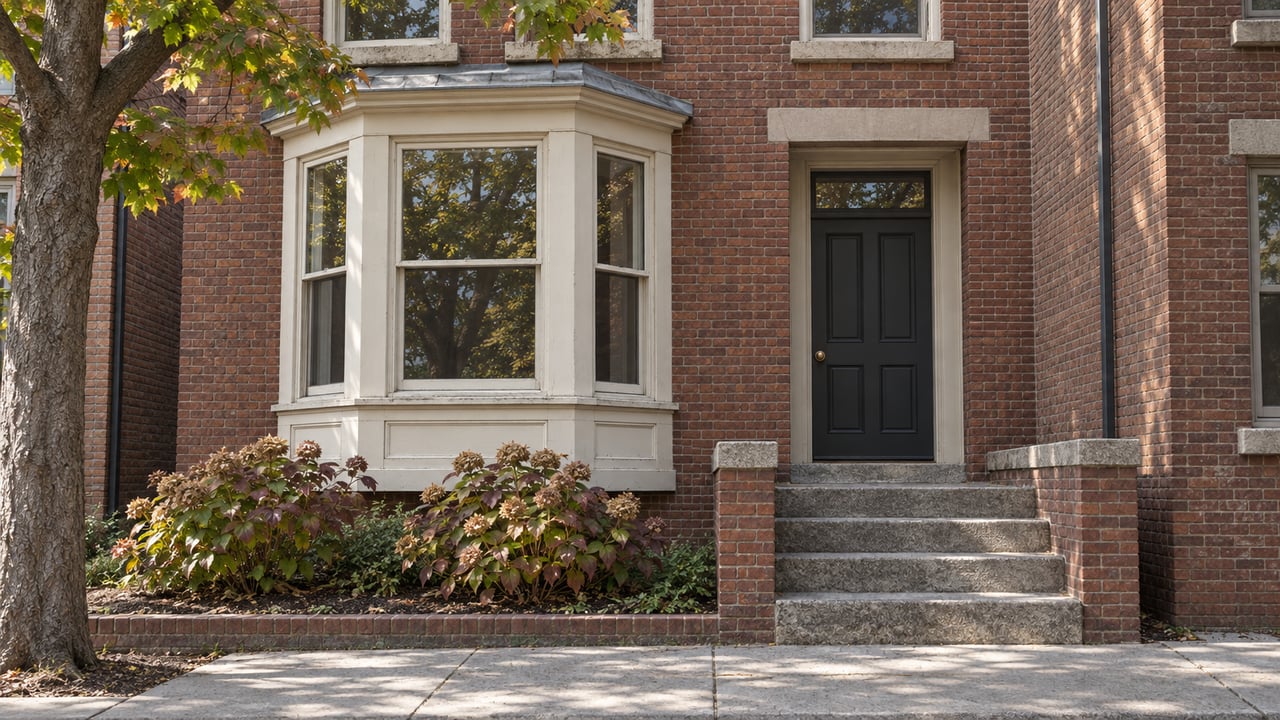
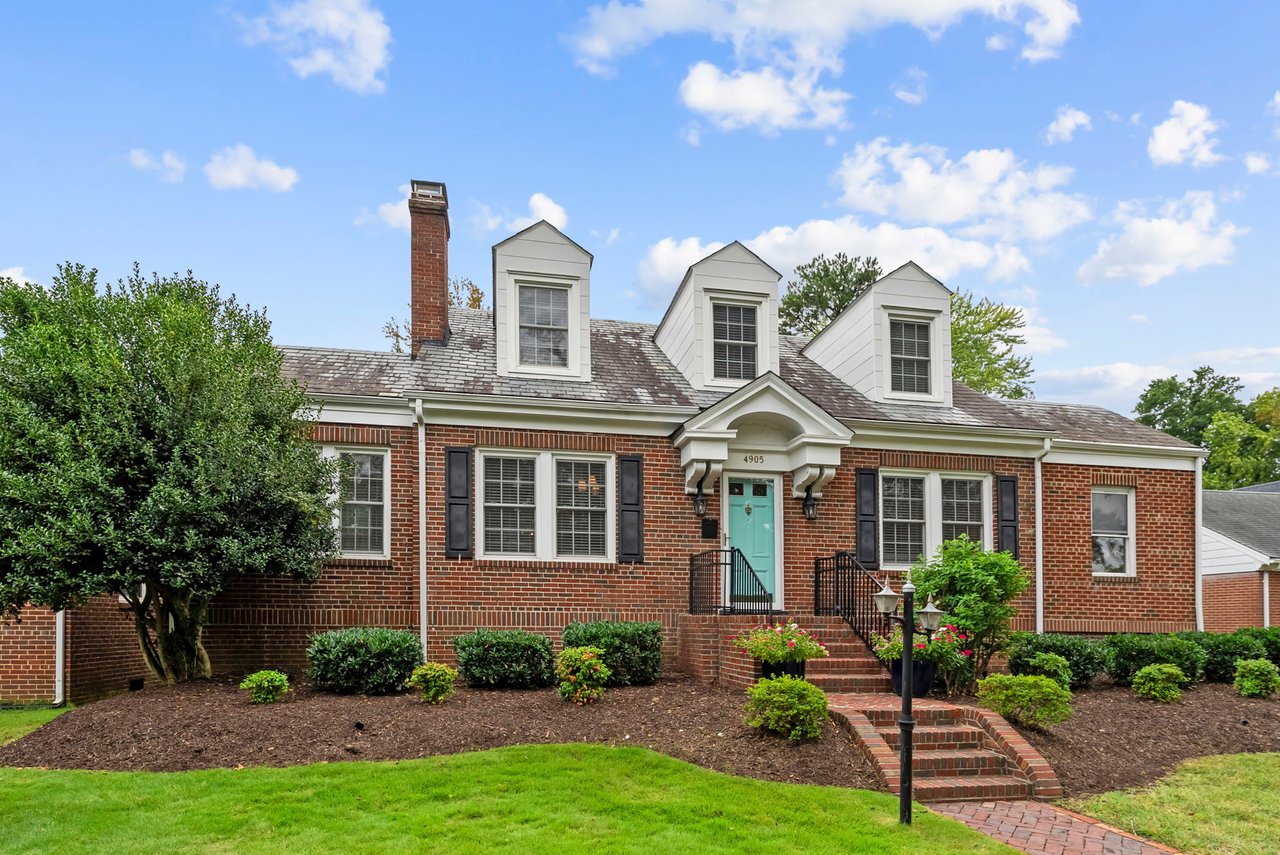
That history shapes the condo market you will see today. Instead of many tower-style buildings, buyers are more likely to find low-rise, building-specific opportunities within a neighborhood made up of brick row houses, detached townhouses, apartment buildings, small commercial structures, churches, a synagogue, and schools.
For you as a buyer, that means each condo can feel a little more specific to its building than in a newer high-rise market. The details of the association, maintenance setup, parking, and renovation rules may matter just as much as the kitchen or flooring.
Why Building Details Matter Here
The Museum District is widely known for being dense, tree-lined, and walkable, with close access to Carytown and major museums. That lifestyle is a big part of the appeal, but it also means practical issues can carry more weight in your decision.
In this neighborhood, buyers often focus on questions like where you park, how move-ins work, what exterior changes are allowed, and whether the association is planning major repairs. A beautiful condo can still become a frustrating purchase if those answers are unclear.
That is one reason I always encourage buyers to evaluate the building as carefully as the unit itself. In a historic, lifestyle-driven neighborhood like this one, the condo experience is never just about the interior.
Review the Resale Certificate Early
In Virginia, the seller must obtain the condominium resale certificate from the association and provide it to the buyer. The association generally has 14 days to deliver it after a written request, and the buyer usually has a short statutory cancellation window tied to when that certificate is delivered, or whether it is delivered at all.
That makes timing important. If you are serious about a condo, you want to know when the resale certificate has been requested and when you can review it.
This document package can tell you a lot about how the association operates. It is one of the fastest ways to spot issues that may affect your monthly cost, future flexibility, or overall comfort with the purchase.
Focus on the Right HOA Documents
When you review a Museum District condo, the most useful association documents usually include:
- the resale certificate
- the declaration
- the bylaws
- the rules and regulations
- the current budget
- the reserve study
- the insurance summary
- any information about special assessments or major upcoming repairs
These documents help you understand whether the dues are supporting a well-run association or whether costs may rise because the building is underfunded. They also help you see what is allowed inside the unit, what is controlled by the association, and what responsibilities may fall on you as the owner.
Check Budget and Reserve Health
Association finances deserve close attention in any condo purchase, but especially in older or historic building stock. Virginia law requires a condominium board to make the annual budget available before the fiscal year, conduct a reserve study at least once every five years, review reserves annually, and adjust assessments as needed to help keep reserves funded.
For you, this means the budget and reserve study are not just nice extras. They are key tools for judging whether the building is planning ahead for maintenance and repair.
If a building has aging components and weak reserves, monthly dues may not tell the whole story. A lower fee can look attractive up front, but it may come with greater risk of future increases or special assessments.
Understand Insurance Before You Buy
Virginia law also requires important insurance protections at the association level. Depending on the condominium instruments, that can include a master casualty policy, a master liability policy, and a fidelity bond or employee dishonesty policy for associations that collect common-expense assessments.
As a buyer, you should confirm what the master policy covers and what you would still need to insure personally. That distinction can affect your out-of-pocket cost and your comfort level with the building’s overall risk management.
This is one of those areas where clarity matters more than assumptions. A quick review of the insurance summary can save you from surprises after closing.
Verify Parking Before You Fall in Love
Parking is one of the biggest livability issues in dense Richmond neighborhoods. The City of Richmond manages residential parking districts in some areas, and vehicles parked without the proper decal or visitor pass in those districts can be ticketed or towed.
That is why parking should be confirmed before you get too attached to a unit. Do not assume a condo comes with a space just because street parking seems available during a showing.
Ask direct questions about whether the unit includes deeded parking, assigned parking, garage parking, or only street parking. You should also ask about guest parking, loading access, move-in rules, and whether the block is affected by permit requirements.
Know the Limits on Renovations
One of the appeals of buying an older condo is the chance to personalize it. In Virginia, condo owners may generally make improvements or alterations within the unit as long as the work does not impair structural integrity.
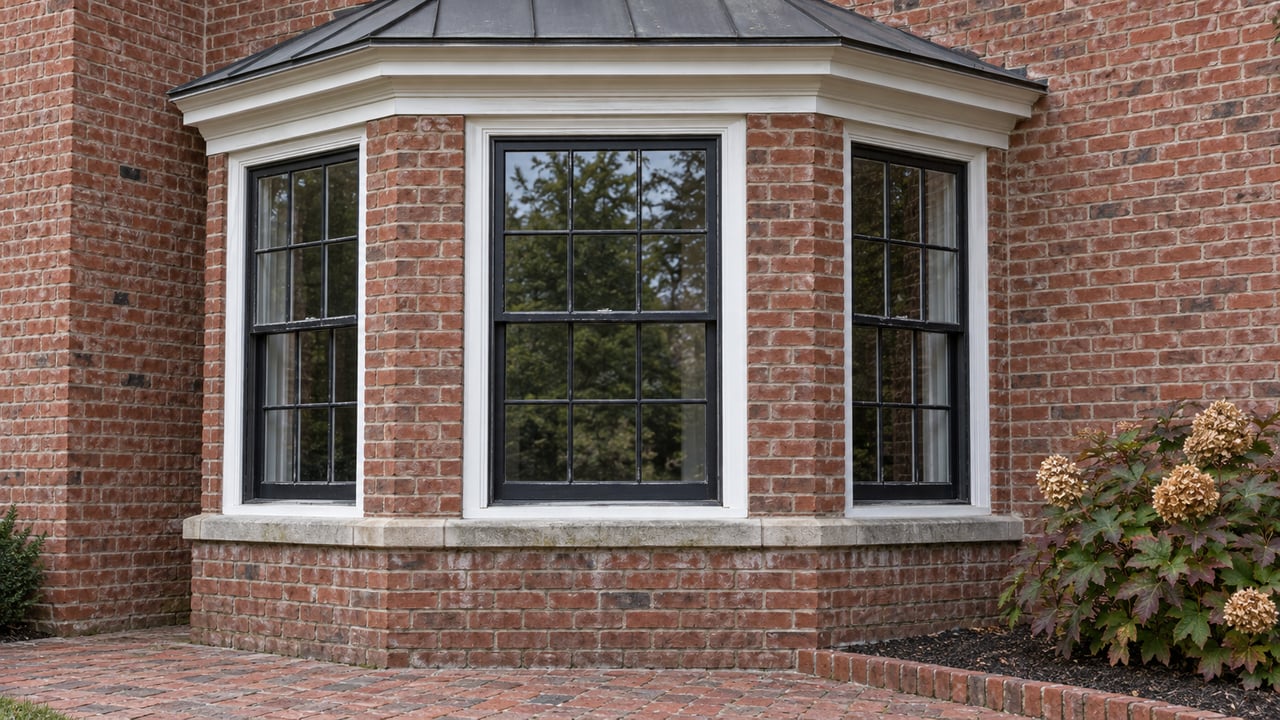
But exterior changes are a different story. Owners cannot change the exterior appearance except to the extent allowed by the condominium instruments, and some elements outside the unit boundary, such as doors, windows, porches, balconies, patios, and similar appurtenances, may be treated as limited common elements.
That means the documents may control who maintains or replaces those features and what changes are allowed. If you are buying with renovation plans in mind, this is an area to study closely before you commit.
Historic Review Can Affect Exterior Work
In the Museum District, exterior changes may also involve local design or historic review, depending on the exact property. The neighborhood’s design overlay guidelines focus on the street facade and identify nine compatibility features for new construction, including height of cornice, building width, front setback, roof form, building material, fenestration, first-floor elevation, front door, and front porch.
Local neighborhood sources also note that new building plans in the district are reviewed by Richmond’s Urban Design Committee for conformance. In addition, if a property is within a City Old & Historic District, Richmond requires Commission of Architectural Review approval for exterior changes visible from a public street or alley, including additions, window or door replacements, siding, roof materials, fences or walls, and paint color.
That review does not automatically apply to every Museum District condo. The exact parcel needs to be confirmed before you plan exterior work, replacement windows, or visible design changes.
Rental Rules Are Worth Reading
If you are buying a condo with flexibility in mind, read the declaration and rental rules carefully. In Virginia, an association generally does not have the power to prohibit rentals unless the condominium instruments or other law authorize it.
Virginia law also limits rental, application, or processing fees to no more than $50 during the term of a lease. Associations may still require tenant contact information, vehicle information, and acknowledgment of the rules.
Even if you plan to live in the condo yourself, it is smart to understand rental rules before buying. Your future plans can change, and flexibility often affects resale appeal too.
A Smart Pre-Offer Condo Checklist
Before you write an offer on a Museum District condo, make sure you have answers to these questions:
- Has the resale certificate been requested and when will it be available?
- What do the current budget and reserve study show?
- What does the association’s master insurance policy cover?
- Does the unit include deeded, assigned, garage, or street parking?
- Are there visitor-pass, move-in, loading, or permit-related parking rules?
- Are there any special assessments or major repairs planned?
- What do the declaration and rules say about rentals?
- What do the documents say about windows, doors, balconies, porches, patios, or other exterior-facing elements?
- Does the specific property fall within an area where exterior changes require additional city review?
This checklist helps you judge whether the condo truly offers low-maintenance living or simply shifts maintenance risk into the association. In a neighborhood like the Museum District, that distinction matters.
What Strong Condo Purchases Often Have
The Museum District has lasting appeal because of its architecture, walkability, and clear neighborhood identity. But long-term satisfaction with a condo here often comes down to a less glamorous mix of factors: building condition, HOA health, parking setup, and realistic rules around renovations or rentals.
The strongest purchases usually balance character with clear building governance. If the association is organized, reserves are credible, parking is workable, and the rules fit how you want to live, you are much more likely to feel good about the purchase over time.
That is where local guidance can make a real difference. In a neighborhood with historic charm and building-by-building variation, the details matter.
If you are weighing condo options in the Museum District and want a practical second set of eyes on condition, documents, and neighborhood fit, Gary Martin can help you make a confident Richmond move.
FAQs
What should you review before buying a Museum District condo?
- You should review the resale certificate, declaration, bylaws, rules and regulations, current budget, reserve study, insurance summary, and any information about special assessments or major repairs.
How does parking work for condos in Richmond’s Museum District?
- Parking can vary by building and block, so you should confirm whether the unit includes deeded, assigned, garage, or only street parking, and whether city permit or visitor-pass rules apply.
Can you renovate a condo in Richmond’s Museum District?
- You may generally make interior improvements that do not impair structural integrity, but exterior changes are controlled by the condominium documents and may also require city review for some properties.
Are rental restrictions allowed for Museum District condos in Virginia?
- Virginia law generally does not let an association prohibit rentals unless the condominium instruments or other law authorize it, so you should read the declaration and rules for the specific building.
Why do HOA reserves matter when buying a Richmond condo?
- Reserves help show whether an association is planning for future repair and maintenance costs, which can affect the likelihood of higher dues or special assessments later.