If you've attended a neighborhood meeting, spent time on local Facebook groups, or followed Richmond development news recently, you've probably heard the phrase "Code Refresh."
And if you own a home in The Fan, chances are you've wondered what it actually means for your property.
The short answer: potentially quite a bit.
Richmond is currently undertaking its first comprehensive rewrite of the zoning ordinance since 1976, a citywide effort known as "Code Refresh." The initiative stems from the Richmond 300 Master Plan and is intended to modernize development regulations, encourage housing options, and create more walkable, mixed-use neighborhoods throughout the city.
For homeowners in The Fan, this matters because zoning determines what can be built on a property, how large buildings can be, how properties can be used, and whether additional housing units may be added.
Why Is Richmond Changing the Zoning Code?
The city's current zoning ordinance was largely written during a very different era. Since then, Richmond has experienced significant population growth, rising housing costs, and renewed interest in urban living.
City planners argue that the existing code often makes it difficult to create new housing, encourages car-oriented development, and doesn't always reflect how Richmond's neighborhoods function today. The proposed refresh seeks to increase housing choices, allow more mixed-use development in appropriate areas, and align regulations with Richmond's long-term growth strategy.
What Could Change in The Fan?
While the final version of the ordinance is still being developed, several proposals have generated significant discussion.
One of the most debated elements has been allowing additional housing units on residential lots. Early drafts contemplated broad opportunities for duplexes and accessory dwelling units (ADUs) throughout the city. More recent drafts have pulled back from some of the original proposals after community feedback, but the overall direction still supports greater housing flexibility than exists today.
For Fan homeowners, that could mean:
- More opportunities to create accessory dwelling units (garage apartments, carriage houses, or backyard cottages)
- Easier pathways for converting large homes into multiple units
- Additional flexibility for adaptive reuse of existing structures
- Potential zoning changes along commercial corridors such as Arthur Ashe Boulevard and nearby mixed-use streets
Will The Fan Lose Its Historic Character?
This is the question I hear most often.
The reality is more nuanced than many headlines suggest.
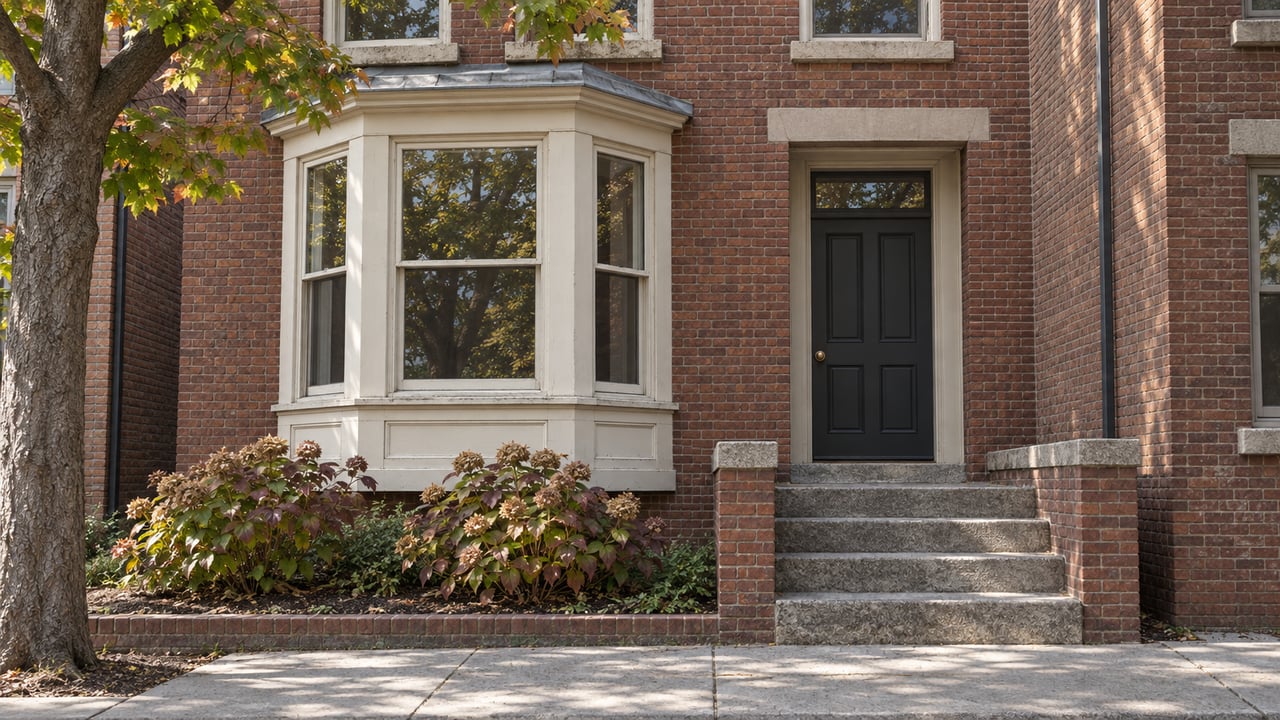
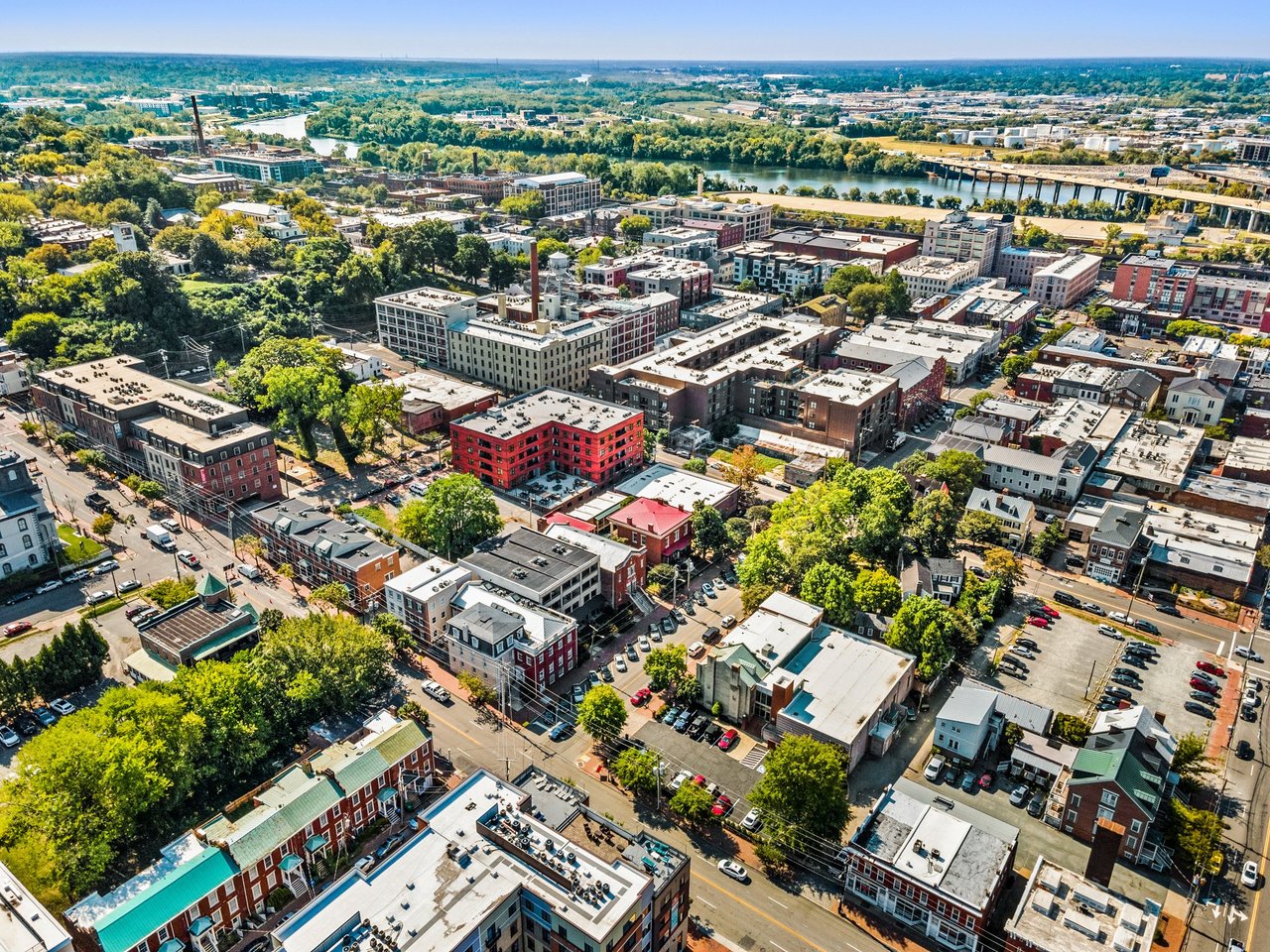
The Fan is already one of Richmond's most densely populated and walkable neighborhoods. Many of the features people love most—rowhouses, corner stores, apartment buildings, carriage houses, and mixed-use blocks—were actually built before modern zoning restrictions existed.
Supporters of Code Refresh argue that many of these traditional development patterns are exactly what made neighborhoods like The Fan successful in the first place. Opponents worry that additional density could place pressure on infrastructure, parking, and neighborhood character.
Importantly, zoning changes do not eliminate historic protections. Properties located within historic districts would still remain subject to existing preservation requirements and design review processes where applicable. The City has repeatedly stated that preservation remains a major component of the new ordinance.
What Does This Mean for Property Values?
This is the question most homeowners are asking.
The reality is that no one knows exactly how the zoning changes will impact home values until the final ordinance is adopted and the market has time to react.
What I do know from selling homes in The Fan is that buyers are rarely choosing the neighborhood because of zoning. They're choosing it because of the lifestyle.
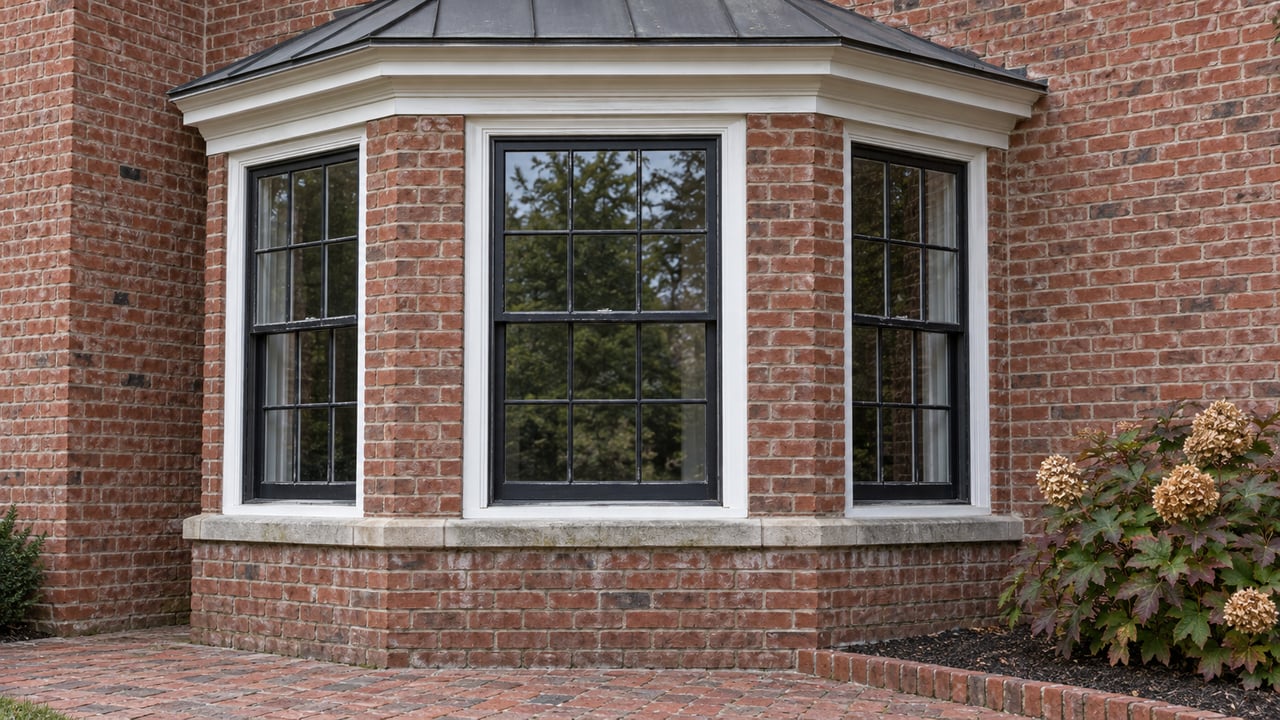
They want the historic architecture that cannot be replicated today. They want the tree-lined streets, the front porches, the original details, and the sense of place that makes The Fan one of the most recognizable neighborhoods in Virginia.
They want to walk to dinner on a Friday night. They want coffee shops, parks, local restaurants, and neighborhood events a few blocks from their front door. They want a neighborhood where daily life can happen without getting in the car.
Those qualities are what continue to drive demand.
Could additional development rights create value for some property owners? Potentially. A home that gains flexibility for an accessory dwelling unit, carriage house, or additional housing opportunities may become more attractive to certain buyers.
But when people are willing to pay a premium to live in The Fan, they are usually paying for something much deeper than development potential. They are paying for a neighborhood that feels unlike almost anywhere else in the country.
The long-term value of The Fan has always been rooted in its historic character, architectural diversity, walkability, and proximity to some of Richmond's best restaurants, parks, and cultural amenities. Regardless of how the zoning discussion unfolds, those qualities remain the foundation of what makes the neighborhood so desirable.
What Happens Next?
The City is currently working through additional drafts of the ordinance, with another major draft expected in 2026 before final consideration by City Council. The details continue to evolve as public feedback is incorporated into the process.
For homeowners in The Fan, now is the time to pay attention.
Whether you're strongly in favor of the changes, strongly opposed, or simply trying to understand how they affect your home, the decisions being made today could shape the neighborhood for decades to come.
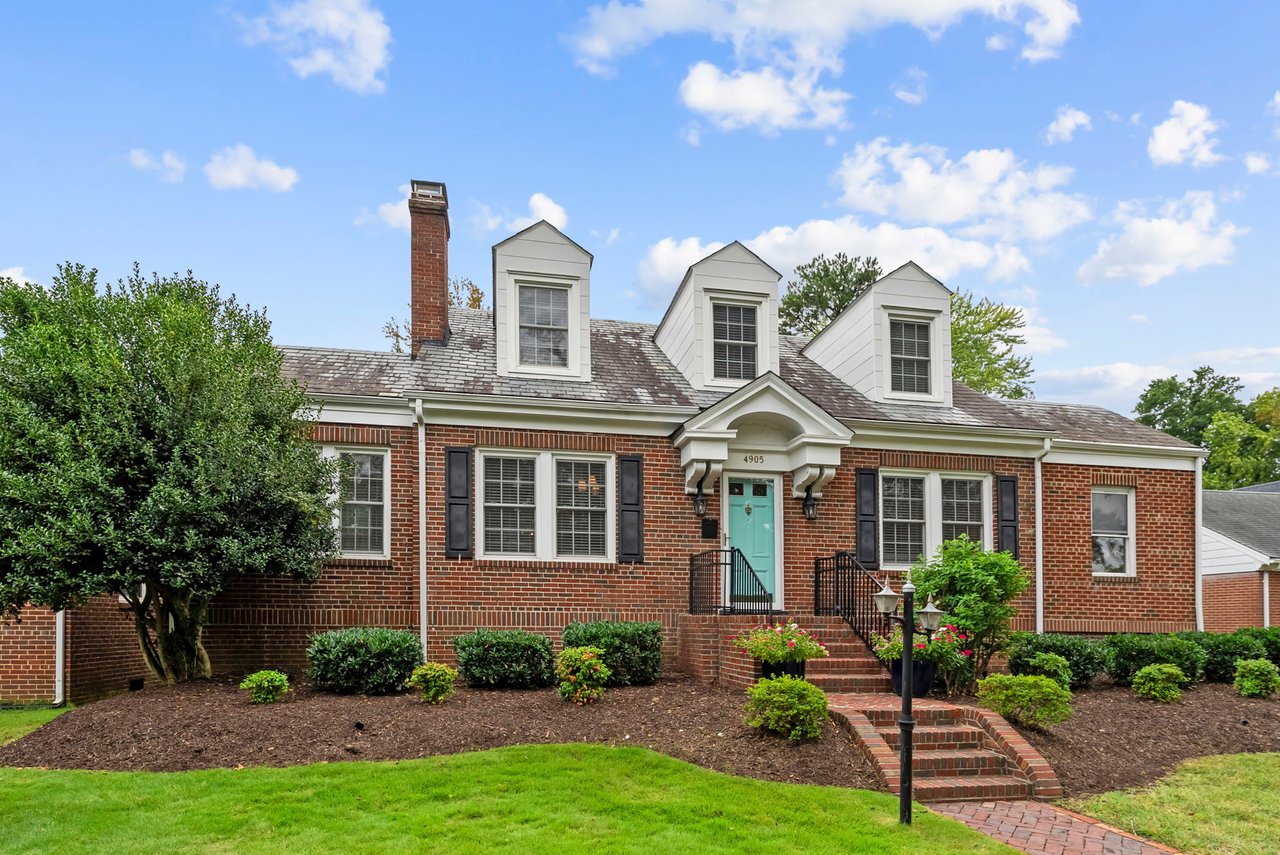
As someone who spends most of my time selling historic homes in The Fan, Museum District, and Near West End, I'll continue following the process closely and sharing updates as the final ordinance takes shape.
Because regardless of where you stand on the debate, one thing is certain:
The zoning rules adopted over the next year will help determine what Richmond looks like for the next 50.