Thinking about listing your Fan District home but not sure where to invest before you sell? You are not alone. In a neighborhood known for brick facades, deep porches, and historic details, the right updates can protect value, reduce inspection friction, and help your home shine online and in person. This guide shows you how to prioritize projects that respect the Fan’s character while delivering real market impact. Let’s dive in.
Know the Fan’s preservation rules
National vs. local review
The Fan is a nationally recognized historic district with late‑19th and early‑20th‑century homes documented on Virginia’s registers and the National Register of Historic Places. You can confirm the district’s designation on the Virginia Department of Historic Resources listing. That national status is important context, but it does not automatically trigger city design review for every exterior change.
- Learn more about the district listing on the Virginia Department of Historic Resources site: Fan Area Historic District.
When the City reviews your project
In Richmond, the Commission of Architectural Review (CAR) oversees exterior work in the City’s designated Old & Historic districts and issues Certificates of Appropriateness. CAR also lists which minor projects may be approved administratively, such as certain painting, porch, and storm‑window work. Before you plan any street‑visible changes, check if your address falls inside a local Old & Historic overlay that requires review.
- See the City’s guidance and approvals on the Commission of Architectural Review page.
Neighborhood guidance you should check
The Fan District Association maintains preservation resources and has drafted Fan Overlay District guidelines that influence neighborhood expectations. These are helpful for planning and buyer messaging, even if your specific parcel is not under City design review. Confirm both the FDA guidance and the City’s map and rules for your address.
- Review neighborhood resources on the Fan District Association preservation page.
Curb appeal that sells on day one
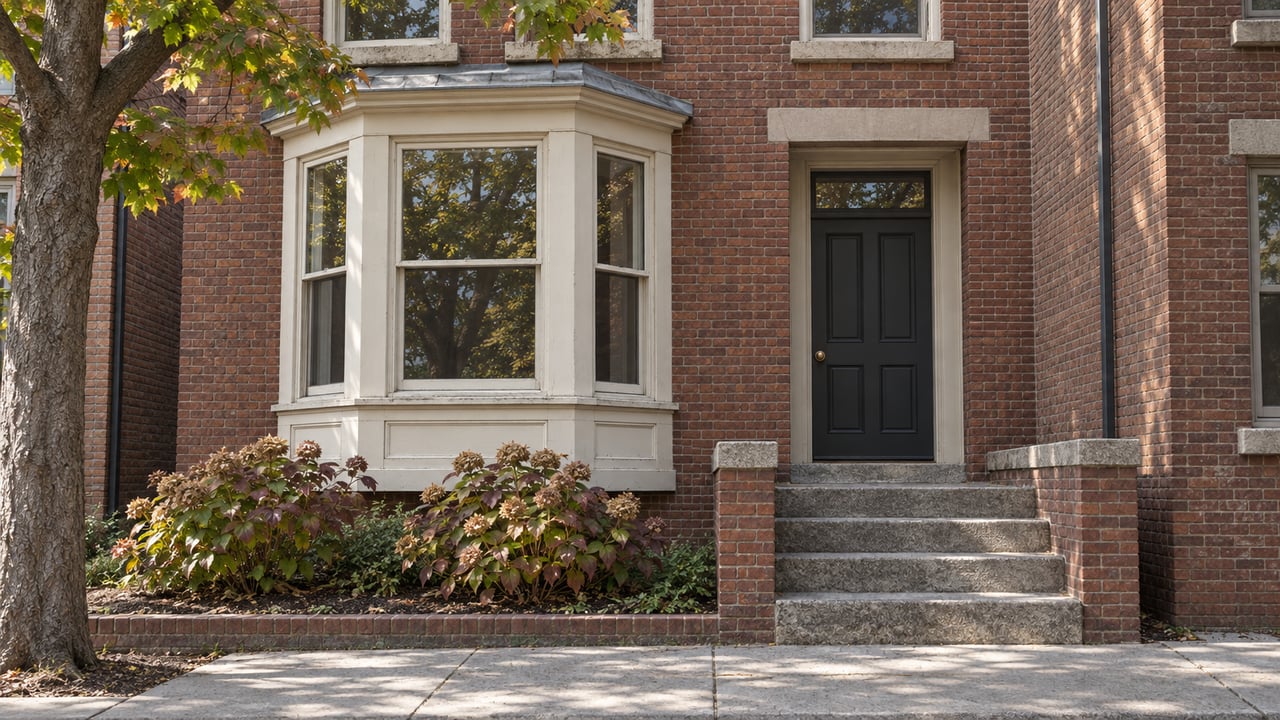
Front door and entry
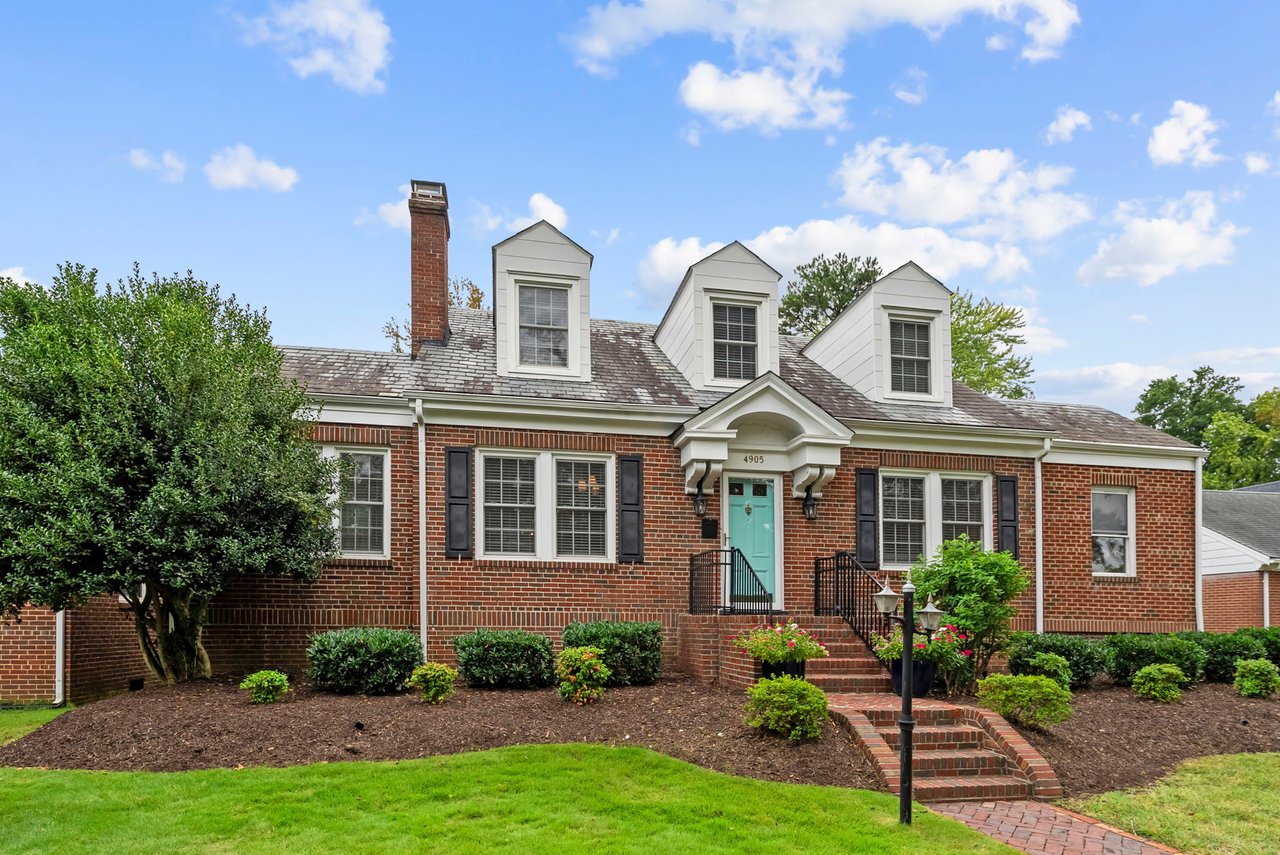
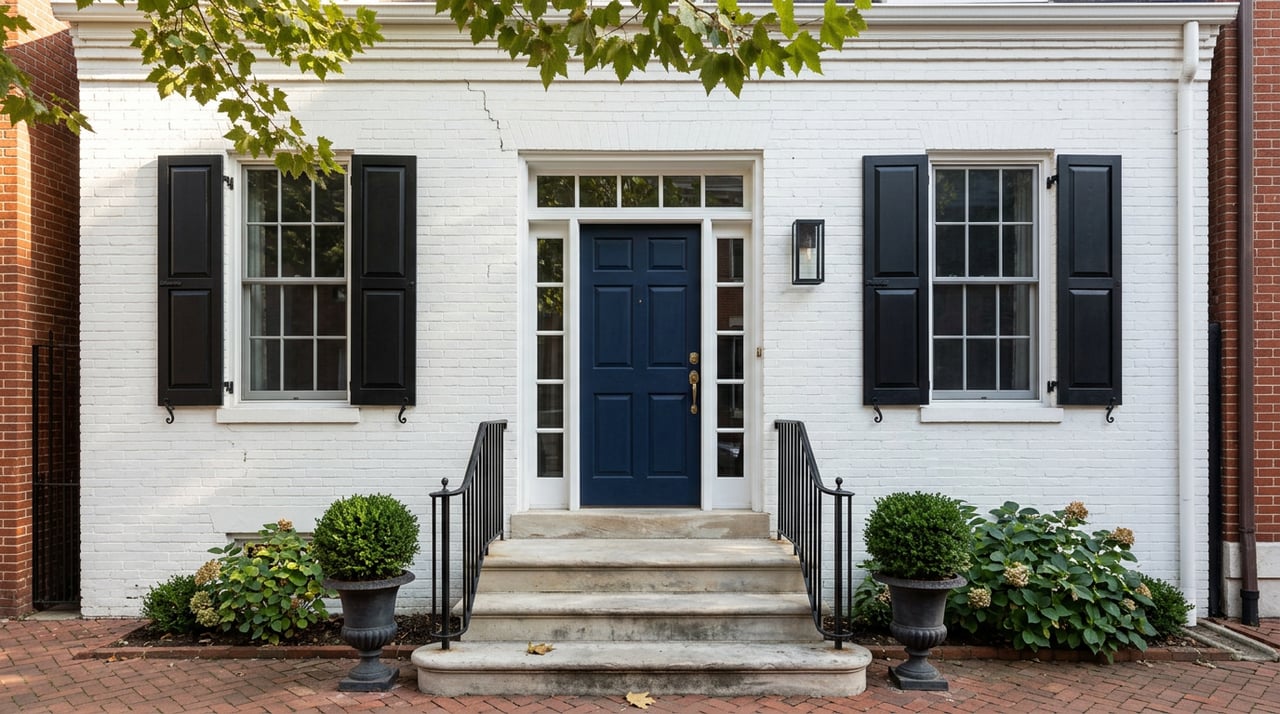
A beautiful, well‑finished front door and tidy stoop read as quality the moment buyers arrive and in listing photos. National Cost vs. Value studies show entry door projects among the strongest for percent of cost recouped. In the Fan, repair and refinish original doors when possible, or replicate profiles that match the house’s era.
- For ROI context, see the Cost vs. Value Report.
Porches, railings, and masonry
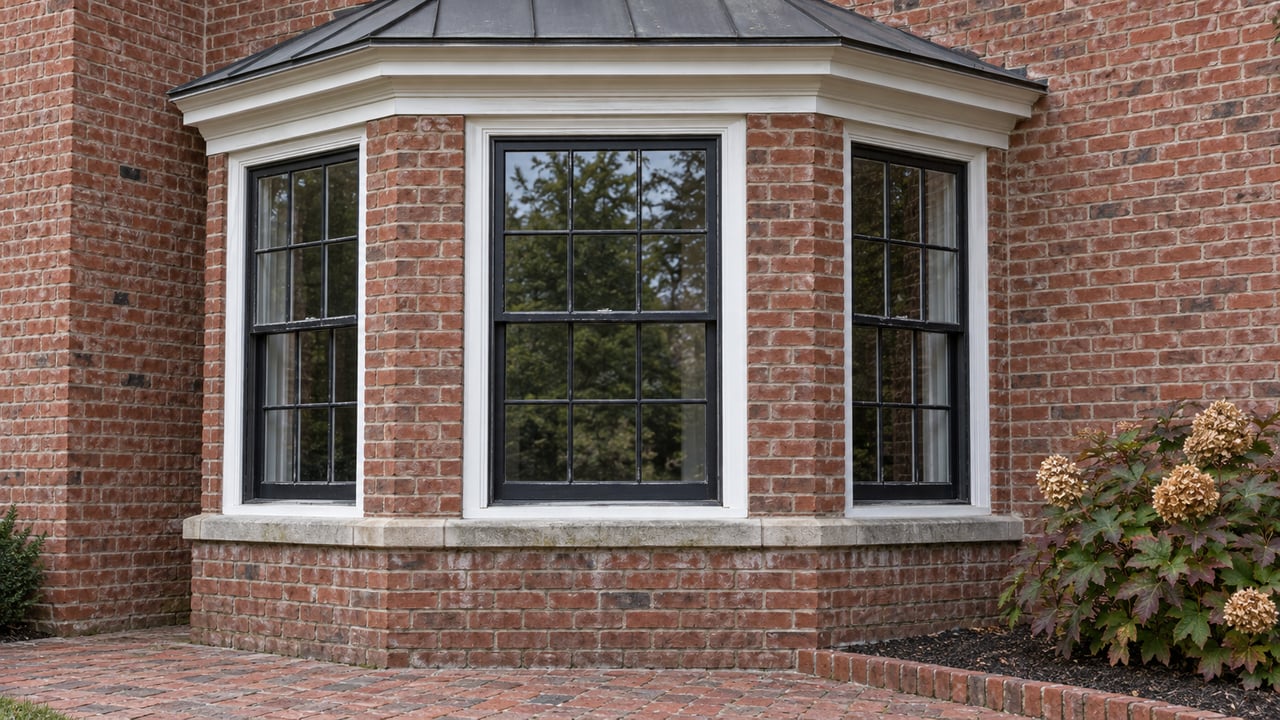
Porches are character‑defining in the Fan. Repair rot, stabilize railings, and match historic profiles that are visible from the street. For brick, stick to gentle cleaning, proper tuckpointing, and mortar that matches the original. CAR notes that certain porch and roof repairs may qualify for administrative approval, but larger visible changes can require formal review.
- Check CAR process details on the City’s CAR guidance page.
- See preservation practice notes on repair vs. replacement and masonry from a municipal manual that references National Park Service briefs: Preservation best practices.
Roof, gutters, and flashings
Active leaks and water intrusion are top inspection red flags. If the roof is nearing end‑of‑life, address it before you list. Clean and repair gutters and downspouts, and fix flashing to keep moisture out. Spending here often prevents price reductions later and keeps buyers from walking.
- Review exterior project payoffs in the Cost vs. Value Report.
Interior updates buyers want
Whole‑home neutral paint
A consistent, neutral palette brightens rooms, photographs well, and makes original trim stand out. Realtors consistently rank interior painting near the top of pre‑listing recommendations because it delivers high buyer appeal for a modest cost.
- See agent recommendations in NAR’s Remodeling Impact Report summary.
Floors that showcase character
Original hardwood is a selling point in the Fan. Refinishing worn floors is typically more cost‑effective than replacing them and helps the home feel move‑in ready. Where boards are too damaged to save, replace selectively with matching material and keep receipts to show the work.
Kitchen refresh, not a gut
Minor kitchen remodels tend to outperform major overhauls on cost recovery. Keep the layout and scale intact. Focus on cabinet refacing or painting, updated hardware, a fresh counter surface, and modern, efficient appliances that fit the existing footprint.
- Compare minor vs. upscale project returns in the Cost vs. Value Report.
Bathroom updates with restraint
Target midrange improvements that remove buyer objections. Regrout tile, reglaze or refinish tubs where feasible, add an updated vanity, and improve lighting. Avoid luxe finishes that do not match neighborhood expectations or price bands.
Lighting, hardware, and trim
Small changes like updated light fixtures, new switch plates, fresh door hardware, and repaired trim create a well‑cared‑for look in photos and at showings. These are affordable upgrades that punch above their weight.
- NAR agent guidance highlights these projects as high‑impact seller prep in its Remodeling Impact summary.
Systems and safety matter most
Electrical safety first
Older homes often have panels or wiring that do not meet current safety standards. Common findings include missing GFCI or AFCI protection, double‑tapped breakers, and outdated aluminum or knob‑and‑tube wiring. Correcting clear hazards before you list reduces buyer leverage during inspections.
- See typical inspection findings and why they matter in HomeGuide’s overview of home inspections and costs.
Heating, cooling, and hot water
Service older systems and replace units near end‑of‑life. Clean records, permits, and warranties help buyers feel confident and can shorten negotiations. If replacement makes sense, confirm whether any energy credits apply before you schedule the work.
Plumbing and sewer lines
Aging galvanized lines, slow drains, or older clay laterals can lead to costly repairs. If your home is older and has mature trees, consider a pre‑list sewer scope so you can address issues or price accordingly. Removing surprises can keep your deal on track.
Energy upgrades and incentives
Federal credits that may help
Certain energy improvements can qualify for federal tax credits, which lower your net cost. Examples include qualifying heat pumps, heat‑pump water heaters, insulation, windows, and doors. These credits have item limits, annual caps, and specific manufacturer rules, so verify eligibility and timing before you proceed.
- Review current federal programs on the IRS page for the Energy Efficient Home Improvement Credit.
Document the work
Keep invoices, model and serial numbers, and manufacturer certification statements for any qualifying upgrades. Organized documentation helps buyers understand what they are getting and supports your disclosure packet.
Lead‑safe compliance for pre‑1978 homes
Most Fan houses predate 1978. Federal lead disclosure and the EPA’s Renovation, Repair and Painting (RRP) rules apply to sales and to contractors working on painted surfaces. Hire RRP‑certified pros and keep their compliance paperwork for your records.
- Learn about RRP requirements on the EPA’s page for lead renovation and enforcement.
Pre‑listing inspection and disclosure in Virginia
Why a pre‑listing inspection helps
A seller inspection 2 to 6 weeks before listing gives you time to fix safety issues, gather bids, or price with eyes open. It can also reduce late‑stage renegotiation and shorten the time between contract and closing. If you choose not to repair certain items, at least you will know what buyers may request and can plan credits.
- For a practical overview of common findings and how inspections influence sales, see HomeGuide’s guide to home inspections and costs.
Frequent trouble spots in older homes
Inspectors often flag roof wear, moisture management, electrical and plumbing deficiencies, HVAC at end‑of‑life, foundation settlement signs, and wood‑destroying insect evidence. Address safety items first, then cosmetic items. This sequence protects value and helps your home appraise and close smoothly.
Virginia disclosure basics
Virginia is a buyer‑beware state, but you still must deliver the state’s residential property disclosure statement and may not knowingly conceal or misrepresent material defects. Some disclosures have specific rules, including military air installation zones, methamphetamine production, certain code violations, and lead paint in pre‑1978 housing. Consult your listing agent or attorney for specifics.
- Read the Virginia Residential Property Disclosure Act on the Code of Virginia site.
Your 12‑month prep plan
9–12 months out: plan and permits
- Order a targeted pre‑listing inspection and use the findings to set priorities.
- Decide on larger system or energy upgrades and confirm any federal tax credit rules that apply.
- Check whether your property sits in a local Old & Historic overlay and, if so, get CAR guidance early for any street‑visible work.
- City process details: Commission of Architectural Review.
- Federal credits overview: Energy Efficient Home Improvement Credit.
3–6 months out: high‑impact work
- Fix safety items first, such as electrical hazards, active leaks, and failing HVAC. Keep permits and receipts.
- Address exterior issues with high first‑impression value, like porch repairs, tuckpointing, roof and flashing fixes, and gutter maintenance. Follow preservation best practices that favor repair over replacement.
- Preservation reference: Repair vs. replace and masonry guidance.
- Complete minor kitchen and bath refreshes and refinish hardwoods. These projects deliver some of the strongest seller‑oriented returns.
- Compare project returns: Cost vs. Value Report.
1–4 weeks out: polish and present
- Paint interiors in a neutral palette, deep clean, declutter, and schedule professional photos. These steps are top value drivers for buyer perception.
- See agent guidance in NAR’s Remodeling Impact summary.
- Touch up landscaping, power wash, replace broken exterior lights, and refresh door hardware.
- Prepare a buyer packet with inspections, permits, warranties, energy upgrade details, and any preservation or CAR documentation.
What to skip in a quick sale
- Major gut renovations that change layouts without clear support from local comps. Minor kitchen and bath projects tend to outperform high‑end overhauls on cost recovery.
- Incompatible exterior changes on street‑visible facades. Match historic materials and profiles when replacements are unavoidable and document the choices for buyers.
- Trend‑heavy finishes that date quickly or clash with the home’s period details.
Ready to list confidently?
If you prioritize safety, preserve character, and focus on visible improvements that photograph well, you put your Fan home in the best position to sell quickly and cleanly. Need a tailored plan for your block, your house, and your timeline? Let’s map the updates, sequence the work, and present your home at its best with premium staging and photography. Connect with Gary Martin to get started.
FAQs
What exterior changes in Richmond’s Fan District need approval?
- The City’s Commission of Architectural Review reviews exterior work only within designated Old & Historic districts and issues Certificates of Appropriateness, while some minor projects can be approved administratively; confirm your address and the rules on the City’s CAR page.
Which pre‑sale projects have the best ROI for Fan homes?
- National Cost vs. Value data points to curb appeal upgrades, entry improvements, and minor kitchen and bath refreshes as strong performers, while full gut remodels often recoup less.
How do federal energy credits work for home updates before selling?
- Certain qualifying improvements like heat pumps, heat‑pump water heaters, insulation, and efficient windows or doors may be eligible for tax credits with item limits and annual caps, so verify details and keep all documentation.
Should you replace an aging HVAC before listing an older Fan house?
- If the system is near end‑of‑life or failing, replacement can remove a major inspection objection and improve buyer confidence, especially when you can provide permits and warranties.
Do you need lead‑safe practices when renovating a pre‑1978 Fan home?
- Yes, contractors must follow the EPA’s Renovation, Repair and Painting rules for disturbed painted surfaces in pre‑1978 housing, and you should retain their compliance records for buyers.
What disclosures are Virginia home sellers required to provide?
- Virginia requires delivery of the residential property disclosure statement and prohibits concealing or misrepresenting material defects, with specific rules for certain conditions like military air installation zones and lead paint.