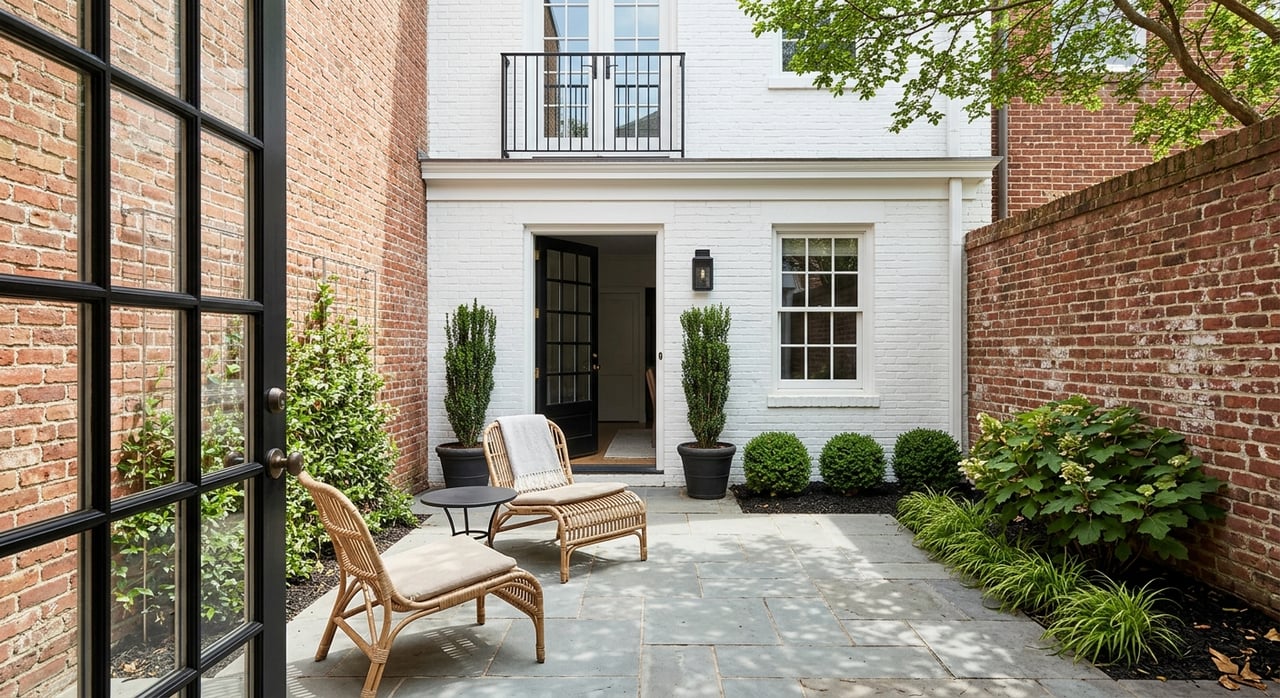
Looking for outdoor space in Richmond’s most walkable historic neighborhoods can feel like a contradiction. You want the porch life, the architecture, and the city energy, but you also want a place to sit outside, garden a little, or let your dog out without heading to a park every time. The good news is that both The Fan and the Museum District can offer usable outdoor space if you know what to look for. Let’s dive in.
Outdoor space starts with the property
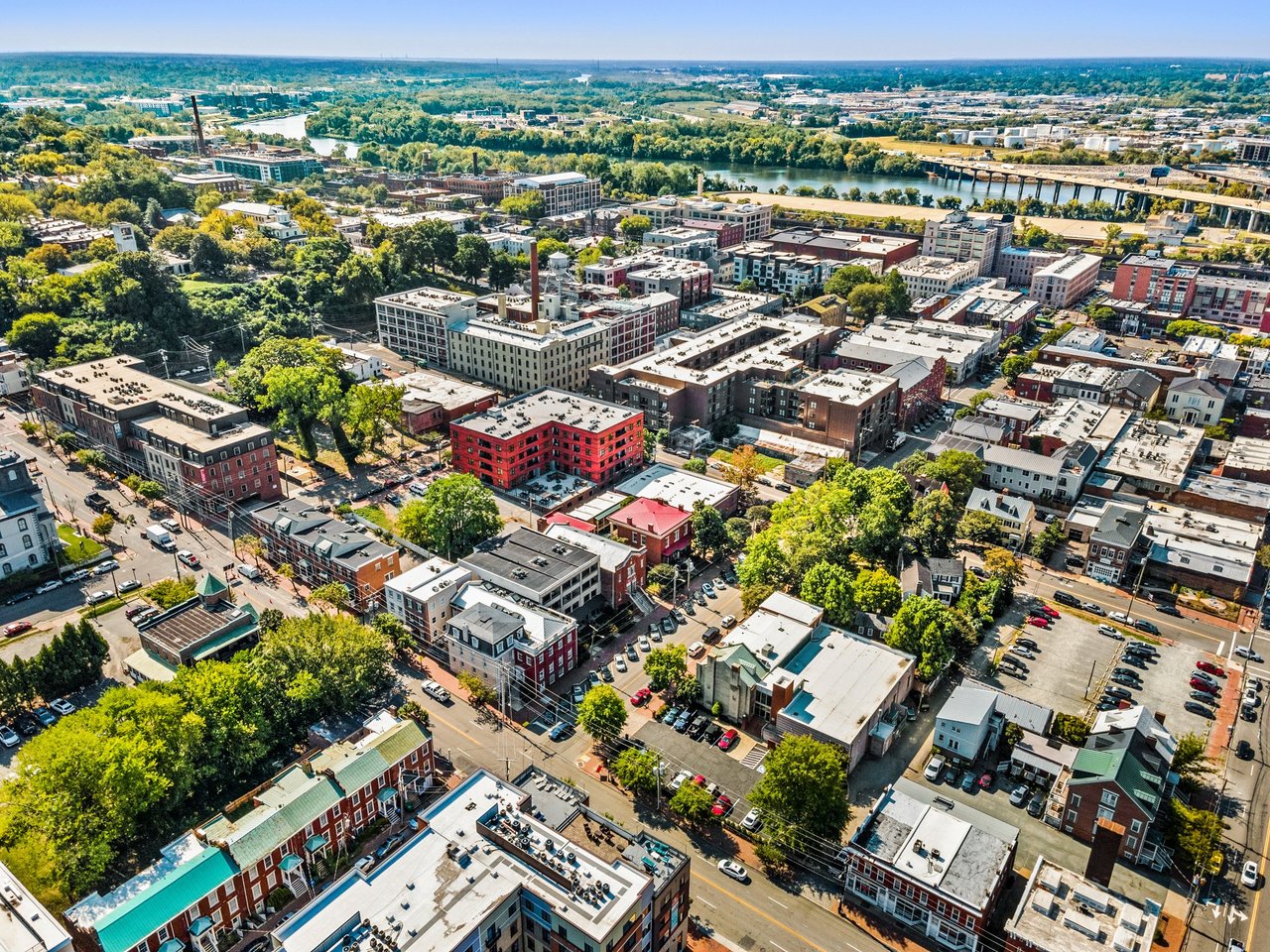
One of the most important things to know is that The Fan and the Museum District are both dense, historic Richmond neighborhoods, so outdoor space is rarely defined by the neighborhood name alone. According to the Museum District neighborhood overview, the Museum District sits between The Fan and the West End and includes a significant collection of early 20th-century architecture, while The Fan is known for its large Victorian historic district.
Because both neighborhoods developed in the streetcar era, you will see compact blocks, consistent street walls, and a mix of housing types. The Museum District zoning and design materials describe everything from brick rowhouses and detached townhouses to apartment buildings, carriage houses, garages, and outbuildings. In practical terms, that means your outdoor setup often depends more on the specific building type, lot shape, and location on the block than on whether the address says The Fan or Museum District.
What outdoor space usually looks like
If you are hoping for a large suburban-style yard, these neighborhoods may not be the best match. If you want a smart, usable mix of charm and function, there are plenty of options.
Front porches and stoops
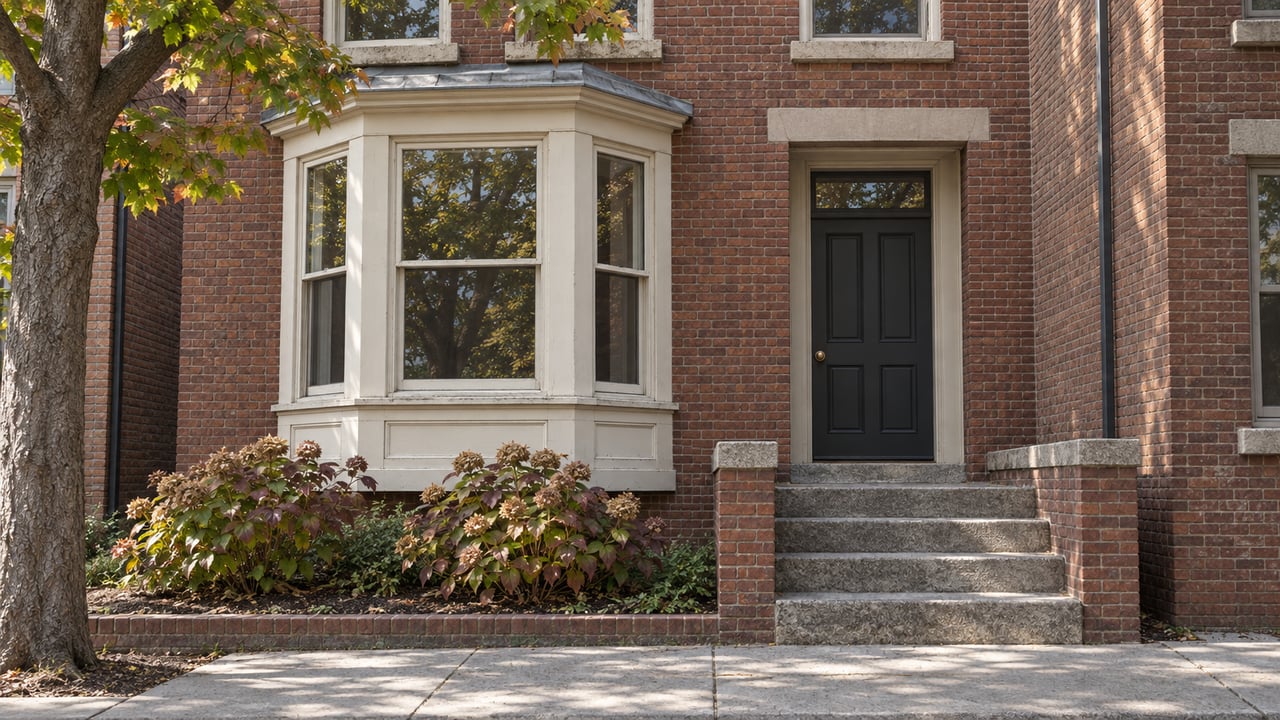
In both neighborhoods, the front porch is often the most recognizable outdoor feature. The West of the Boulevard design guidelines and related neighborhood guidance treat front porches as important street-facing elements.
For many homes, this is the outdoor space you will use most. A porch or stoop may be the right fit for a couple of chairs, container plants, or an easy place to enjoy the block and connect with the street.
Rear patios and courtyards
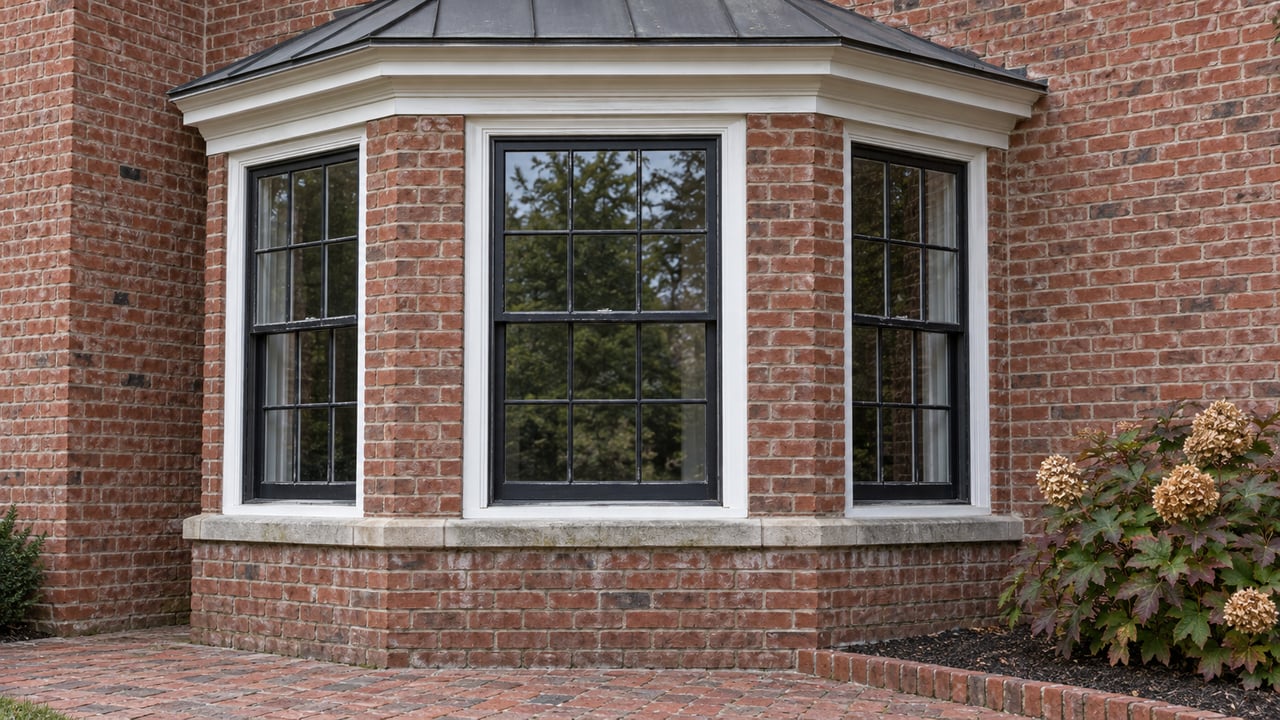
In dense urban neighborhoods, rear outdoor space is often smaller and more functional than dramatic. A rear patio or courtyard can still give you a very usable setup for grilling, dining, container gardening, or creating a private place to unwind.
This kind of space often works especially well in rowhouse layouts where the front is public-facing and the rear becomes your main private outdoor zone. Even when the footprint is modest, a well-planned patio can feel like an extension of the house.
Fenced yards and side enclosures
A fenced rear yard or side-yard enclosure can make a compact property much more practical. That can matter if you want privacy, a contained outdoor area for pets, or a more comfortable entertaining space.
In Richmond historic districts, exterior features like fences and gates may be subject to review. So if a fenced area is important to you, it is smart to verify not just that it exists, but that it fits your needs and any city requirements.
Balconies and upper-level spaces
Balconies and upper-level terraces are less common in traditional single-family housing stock, but they do show up in some apartments, conversions, and certain historic homes. The design guidance materials include examples of balcony treatments, which tells you these features are part of the neighborhood fabric, even if they are not the norm.
If your goal is a low-maintenance outdoor area with privacy and light, a balcony may be worth targeting in your search.
Garages and carriage-house layouts
A garage, carriage house, or alley-adjacent outbuilding can change the way a yard functions. Sometimes these structures reduce the amount of open rear space, but they can also create a more defined, private patio or garden arrangement.
That trade-off is common in older city neighborhoods. A smaller but better-shaped outdoor space can be more useful than a larger area with no privacy or no practical layout.
The biggest trade-off to expect
The biggest trade-off in The Fan and the Museum District is usually walkability and character versus yard size. The Museum District neighborhood association describes the area as highly walkable, and that urban form is a big part of why people love living there.
The same is true in The Fan, where the appeal often comes from the architecture, street life, and close access to daily amenities. In both places, private lawn space usually plays a secondary role to the building itself and the neighborhood experience around it.
That does not mean outdoor space is unavailable. It just means the best version of it is often different from what you might expect in a suburban setting.
What buyers often find works best
For many buyers and renters, the sweet spot is not a huge yard. It is a combination that fits the historic fabric of the neighborhood and still supports daily life.
The ideal balance
In many cases, the most satisfying setup looks like this:
- A welcoming front porch or stoop
- A modest but functional rear patio, courtyard, or fenced yard
- Enough privacy to relax or entertain
- A layout that is easy to maintain
This kind of arrangement lines up well with the building patterns documented in the local design materials. It also tends to match how people actually live in these neighborhoods.
Property types that may offer more
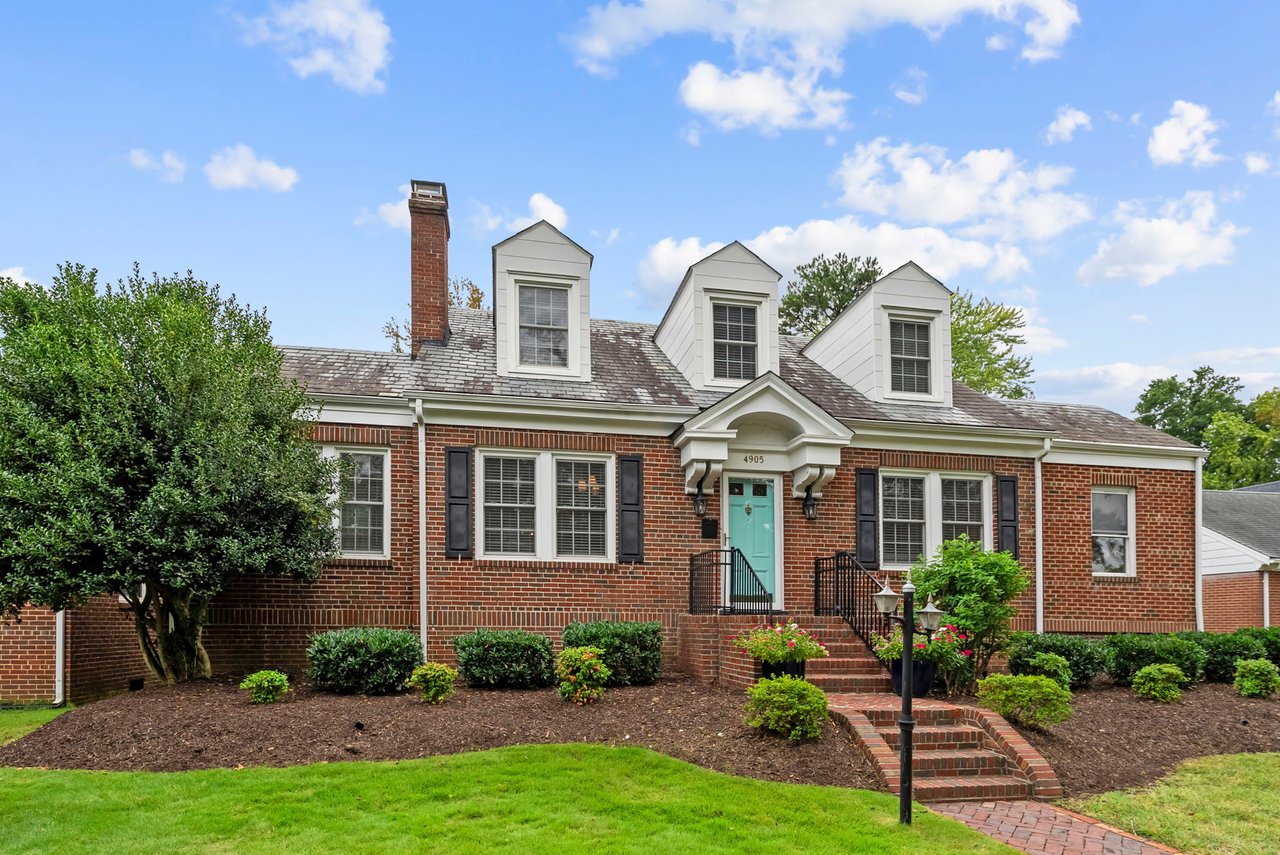
Outdoor space can vary a lot even on the same block. In general, detached homes, corner lots, and parcels with alley access, garages, or carriage houses may offer more flexible outdoor arrangements than a middle-of-block rowhouse.
That does not make one property type better than another. It just means you should focus on the exact home and lot configuration instead of assuming every property in a given neighborhood will offer the same experience.
Search terms that can save you time
When you are scanning listings, the right keywords can help you spot better options faster. Outdoor space in these neighborhoods is often described in very specific ways.
Look for terms like:
- Front porch
- Side porch
- Rear patio
- Courtyard
- Fenced backyard
- Deck
- Balcony
- Alley access
- Detached garage
- Carriage house
- Garden
These terms can help you quickly narrow down homes that may fit your lifestyle. Still, the photos and property details only tell part of the story.
What to verify before you fall in love
A pretty patio photo is not enough. If outdoor space is a priority, make sure you confirm how that space actually functions.
Ask the practical questions
Before making a move, it helps to verify:
- The approximate size of the outdoor area
- Whether the space is private or shared
- How the area is accessed from the house
- Whether a fence, deck, patio, or hardscape is already in place
- Whether exterior work may require city review in the future
Richmond’s Commission of Architectural Review reviews exterior changes in City Old and Historic Districts, including categories such as porch and deck alterations, outbuildings, fences, gates, and hardscaping. The city’s submission requirements also outline the types of exterior projects that may need review.
Museum District review can differ
In the Museum District, design review is tied to the city’s West of the Boulevard overlay framework for certain projects, especially new residential construction. The Urban Design Committee reviews projects for consistency with city design standards, and neighborhood materials note that the guidelines focus heavily on street-facing elements like setbacks, porches, roof form, and materials.
If you are considering future exterior changes, it is worth understanding what rules may apply to that property before you make plans.
How to think about your priorities
If outdoor space matters to you in The Fan or the Museum District, try ranking your priorities before you start touring homes. That can make your search clearer and less frustrating.
Ask yourself:
- Do you want space to entertain, or just room for coffee outside?
- Is privacy more important than square footage?
- Do you need a fenced area?
- Would a balcony or porch be enough?
- Do you want low maintenance, or room to garden?
When you answer those questions first, you are less likely to rule out a great house just because it does not have a traditional backyard. In these neighborhoods, outdoor space often works best when it is thoughtfully designed rather than oversized.
The bottom line on outdoor space
You can absolutely find outdoor space in The Fan and the Museum District, but the best results usually come from looking beyond the neighborhood label. In these historic Richmond neighborhoods, outdoor living is often about a great porch, a well-used patio, or a compact fenced yard that fits your routine.
If you want help evaluating how a property’s lot, layout, and exterior features will function in real life, Gary Martin can help you sort through the details and find the right fit for how you want to live.
FAQs
What kind of outdoor space is most common in The Fan and Museum District?
- The most common outdoor features are front porches or stoops, along with smaller rear patios, courtyards, or fenced rear areas depending on the property type.
Do homes in The Fan usually have big backyards?
- Usually not. In The Fan, outdoor space is often compact, and usable porches or rear patios are more common than large open yards.
Are fenced yards allowed in Richmond historic districts?
- Fences and gates can be part of a property, but exterior changes in Richmond historic districts may require review through the city depending on the project.
Is outdoor space better in the Museum District or The Fan?
- Neither neighborhood guarantees more outdoor space overall. The amount and usefulness of outdoor space usually depends more on the individual property, lot position, and building form.
What should you verify about outdoor space before buying in Richmond?
- You should confirm the size of the area, whether it is private or shared, how it is accessed, and whether any existing or future exterior improvements may be subject to city review.