Wondering how to win a home in The Fan without making a reckless offer? You are not alone. In a neighborhood known for historic architecture, quick-moving listings, and homes that can draw multiple offers, it is easy to feel pressure to move fast and stretch hard. The good news is that a strong offer is not just about offering the highest price. With the right strategy, you can compete confidently while still protecting yourself. Let’s dive in.
Why Fan offers need a strategy
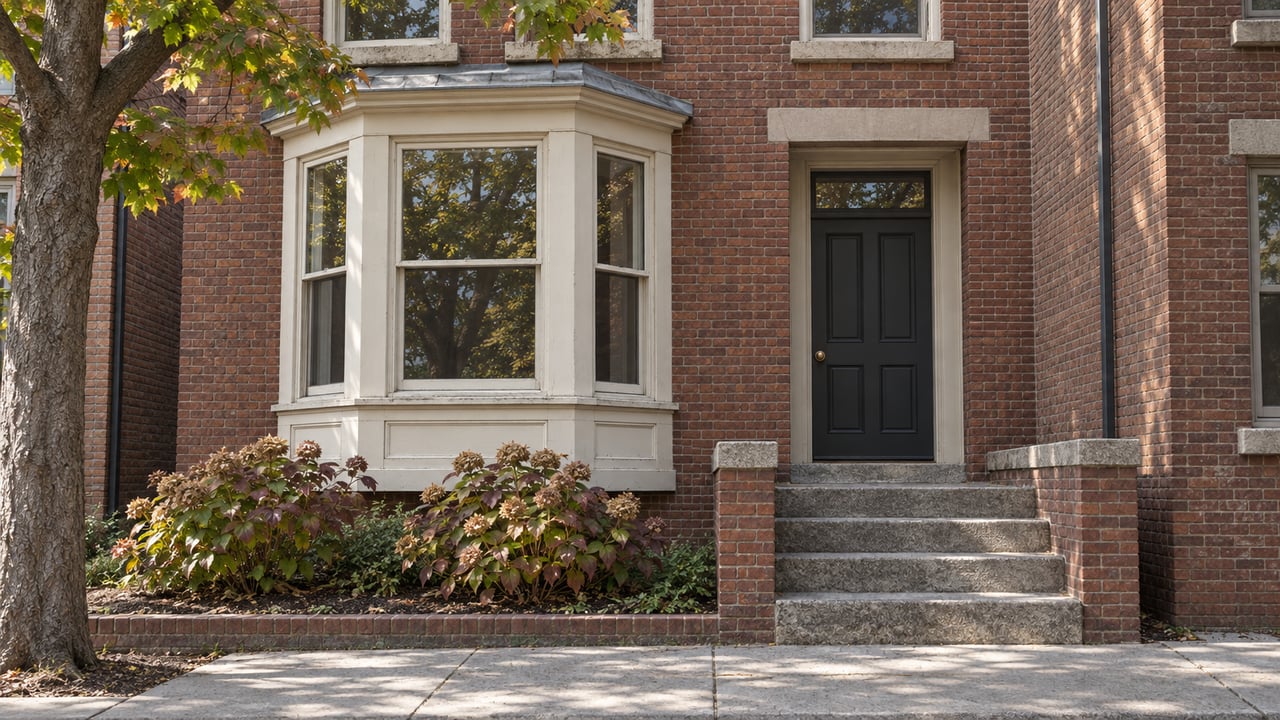
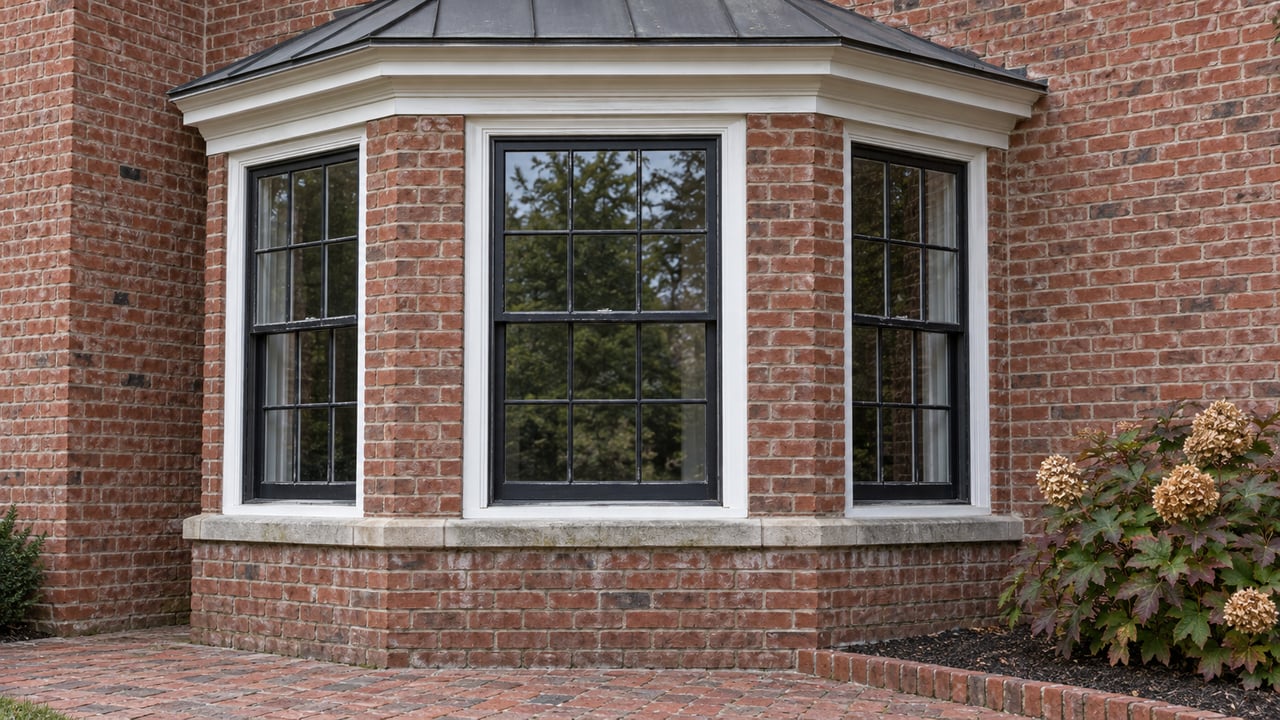
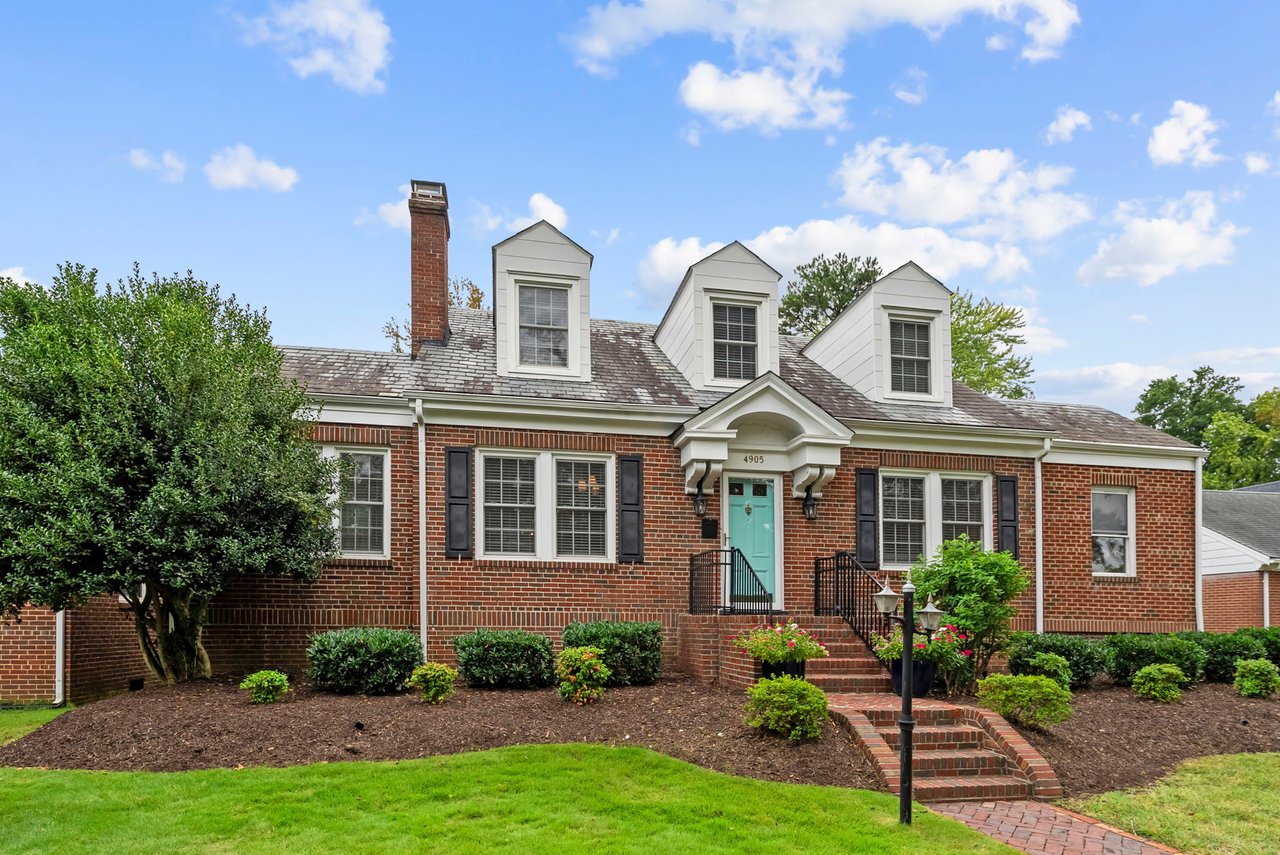
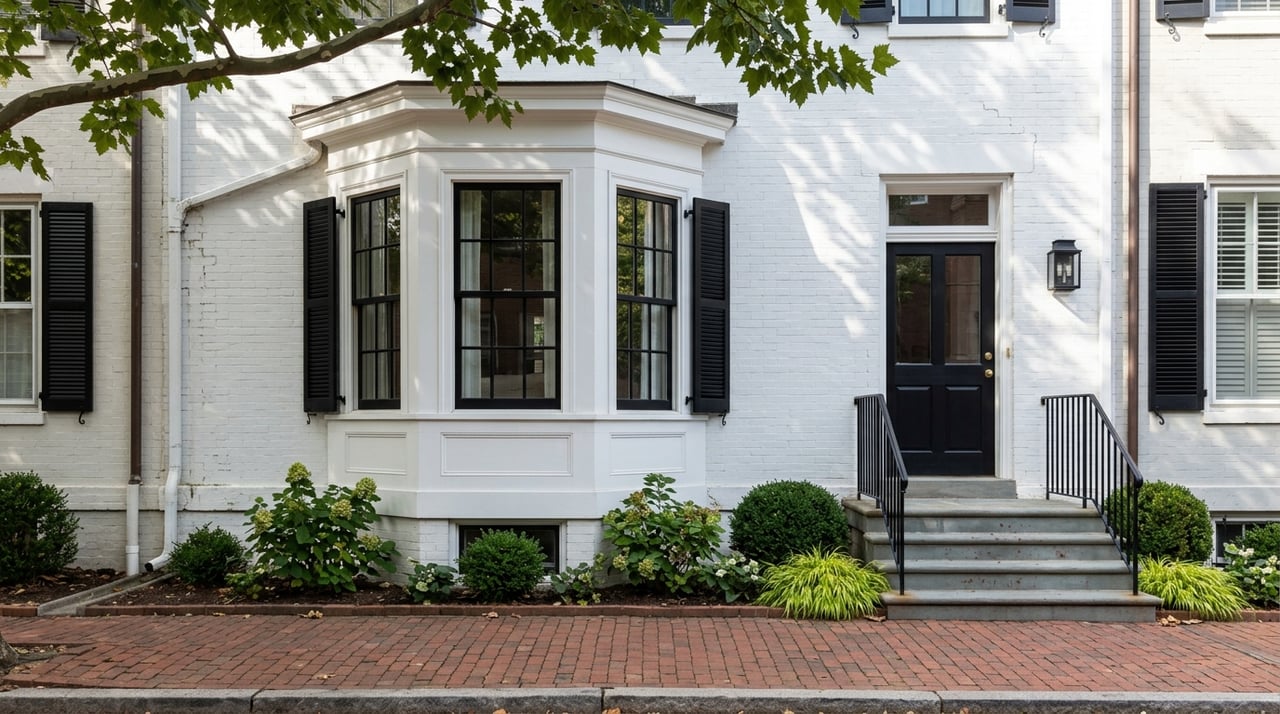
The Fan is one of Richmond’s most established historic districts, with nearly 100 blocks and more than 2,000 buildings, according to the Virginia Department of Historic Resources. That scale and variety matter when you are making an offer. Two homes a few blocks apart can differ in condition, layout, updates, parking, and long-term maintenance needs.
That is why broad neighborhood averages only tell part of the story. A strong offer in The Fan should be built around the specific block, the home’s condition, and the most relevant comparable sales. In a neighborhood with older housing stock, details matter more than shortcuts.
What the Fan market looks like now
Recent data suggest that The Fan remains competitive. Redfin’s neighborhood market data reported a February 2026 median sale price of $616,500, 29 median days on market, and a 98.4% sale-to-list ratio. Realtor.com also reported active listings and median days on market in a similar range, reinforcing that buyers still need to be prepared to act.
At the same time, it helps to keep portal data in perspective. Depending on the source and date, listing and value snapshots for The Fan have ranged from the high-$500,000s to the high-$600,000s. That means you should treat portal numbers as general range-setting tools, not as the final word on value.
Some homes in The Fan sell at or near asking price, while others close below it. Redfin also notes that some hot homes can sell for about 3% above list and go pending in around 11 days. The practical takeaway is simple: list price is the starting point, not the strategy.
Start with a comp-based ceiling
Before you decide how aggressive to be, set a maximum number based on comparable sales. The Consumer Financial Protection Bureau explains that valuations and appraisals are generally based on similar nearby property sales. In The Fan, that means the best comps are usually homes with a similar property type, condition level, size, and micro-location.
This matters because a beautifully updated rowhouse with off-street parking may justify a very different offer than a similar-sized home that still needs major system updates. The same goes for lot size, interior finish level, and usable living space. In older neighborhoods, small differences can have a big effect on value.
A smart offer starts with a clear ceiling, not an emotional reaction. Once you know your upper limit, you can move quickly without overcommitting.
Price matters, but terms matter too
In a competitive setting, sellers often look beyond price alone. They also pay attention to how clean, credible, and easy the offer looks. A strong Fan offer is often one that feels well prepared from the start.
That can include:
- A current mortgage preapproval
- Clear proof of funds if needed for closing costs or any appraisal-gap planning
- A clean contract with thoughtful timelines
- Earnest money that shows commitment
- Fast communication and quick submission
The CFPB recommends getting preapproved and lining up key providers early, because the process can move quickly once the right home comes up. In practice, readiness can help your offer feel stronger without forcing you to give up every protection.
How much above list should you go?
This is one of the most common questions buyers ask, and there is no one-size-fits-all answer. In The Fan, some homes still sell close to asking, while some especially competitive listings can attract offers above list. The right number depends on the comps, the condition, the seller’s pricing strategy, and the level of competition on that specific home.
Instead of asking, “How far above list should I go?” ask, “What does the market data support for this house?” If the home appears intentionally priced to attract attention, your offer may need to be stronger. If the list price already looks ambitious compared with recent closed sales, a high offer may not be the best move.
This is where local pricing advice matters. In a neighborhood like The Fan, block-by-block knowledge and condition analysis can help you avoid both underbidding and overpaying.
Keep contingencies thoughtful
A strong offer does not have to mean waiving every contingency. In fact, the CFPB recommends making an offer contingent on financing and a satisfactory inspection. That guidance is especially relevant in The Fan, where many homes date to the late 19th and early 20th centuries.
With older homes, due diligence is important. Systems, structure, moisture issues, and prior renovations can all affect your costs after closing. A shorter inspection window can show seriousness, but skipping inspection protections entirely may expose you to unnecessary risk.
A practical middle ground is to keep the protections that matter most while tightening the timeline where appropriate. That can make your offer feel serious and efficient without sacrificing smart decision-making.
Why inspections matter in historic homes
Historic homes often offer character you cannot easily find elsewhere, but they can also come with more variables. Construction details, age-related wear, and the quality of past updates all influence what you are really buying. That is one reason The Fan rewards buyers who take a careful, informed approach.
The CFPB advises scheduling an independent home inspection as soon as possible so you have time for follow-up inspections or repair discussions if needed. In a fast-moving market, planning this ahead of time can make a real difference. You do not want to scramble for inspectors after your offer is accepted.
For buyers considering an older home, construction knowledge can be especially valuable. Understanding whether an issue is cosmetic, routine, or more significant can help you negotiate from a clearer position.
Plan for appraisal risk early
If you are financing your purchase, appraisal risk should be part of your offer strategy from the beginning. The CFPB notes that lenders generally require an appraisal, and if the home appraises below the contract price, you may need to renegotiate, bring in more cash, or consider your contract options.
This matters most when you are offering aggressively in a competitive situation. Before you submit, talk with your lender about how much appraisal-gap exposure you can realistically handle. That way, you know your options before emotions rise.
A strong offer is not just about getting under contract. It is also about putting yourself in a position to close with fewer surprises.
Use earnest money wisely
Earnest money helps show that you are serious about the purchase. According to the National Association of Realtors consumer guide, earnest money is a good-faith deposit, not your down payment, and it is often around 3% of the purchase price or a rounded figure such as $5,000. In competitive situations, a larger deposit can make an offer feel stronger.
That said, more is not always better if you are not fully comfortable with the contract terms. NAR also warns that buyers can lose earnest money if they miss deadlines or waive protections too early. The deposit should support your offer, but it should fit your overall risk tolerance and timeline.
Submit fast, but not rushed
Speed matters in The Fan, especially when a well-located or well-updated property comes to market. Redfin reports that some hot homes go pending in around 11 days, which means buyers need to be organized before they find the one they want. Waiting to gather paperwork after a listing appears can put you behind.
The goal is to be fast without improvising. That means having your preapproval ready, knowing your price ceiling, understanding your contingency options, and discussing appraisal risk in advance. When those pieces are already in place, you can move quickly with more confidence.
What a strong Fan offer really looks like
In most cases, the strongest offer on a Fan home is not the most aggressive one on paper. It is the one that is well priced, well documented, and thoughtfully structured around the property itself. In a historic neighborhood, that balance matters.
You want an offer that respects the market without ignoring the realities of the home. That means using recent comps, staying alert to condition, keeping key protections in place, and presenting yourself as a prepared buyer who can move decisively. That is usually a much better long-term strategy than chasing a win at any cost.
If you are getting ready to buy in The Fan, working with someone who understands both neighborhood nuance and home condition can help you write an offer that is competitive and grounded. If you want a local, practical strategy for your next move, Gary Martin is here to help.
FAQs
How much above list should you offer on a Fan District home?
- It depends on the recent comparable sales, the home’s condition, and how much competition the listing is drawing. In The Fan, some homes sell near asking, while some hot homes can sell above list.
Which contingencies should you keep when buying a Fan District home?
- Financing and inspection contingencies are often worth keeping, especially for older homes. A shorter timeline may help strengthen the offer without removing important protections.
How much earnest money is normal for a Fan District home offer?
- NAR says earnest money is often around 3% of the purchase price or a rounded amount like $5,000, but the right number depends on your comfort level and the competitiveness of the situation.
What happens if a Fan District home appraises below your offer price?
- You may be able to renegotiate the price, bring additional cash, or use your contract protections depending on the terms of your agreement and your lender’s requirements.
Why do comparable sales matter so much in The Fan District?
- The Fan has varied historic housing stock, so recent nearby sales with similar size, condition, and features usually provide a better pricing guide than broad neighborhood averages alone.