Thinking about buying a duplex in Richmond’s Museum District so your tenant can help cover the mortgage? It is a smart idea on paper, but this neighborhood asks you to look beyond a basic rent-versus-payment calculation. In a historic, walkable part of Richmond like the Museum District, the best house-hack is usually the one that balances cash flow, building condition, and local rules. Let’s dive in.
Why the Museum District is different
The Museum District is not a generic multifamily pocket where one duplex looks much like the next. The area commonly associated with the West of the Boulevard Historic District includes about 69 blocks and more than 1,700 contributing buildings, with much of the housing stock built between 1910 and 1930.
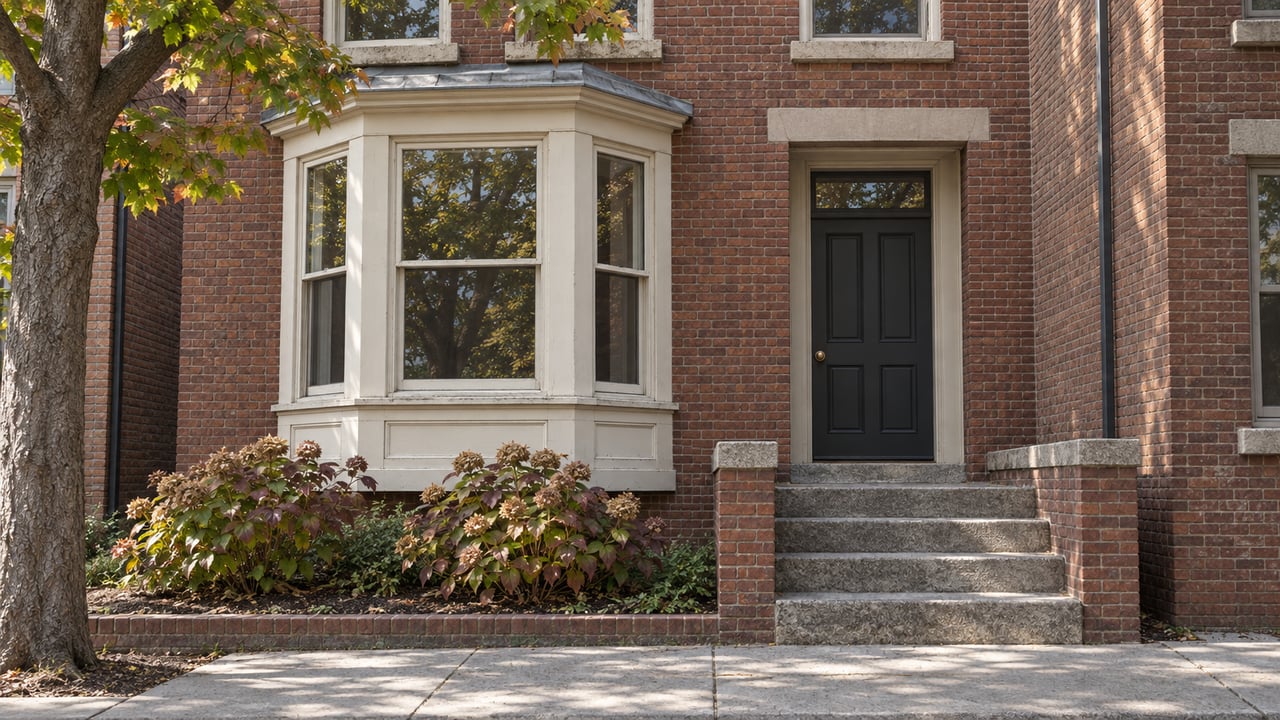
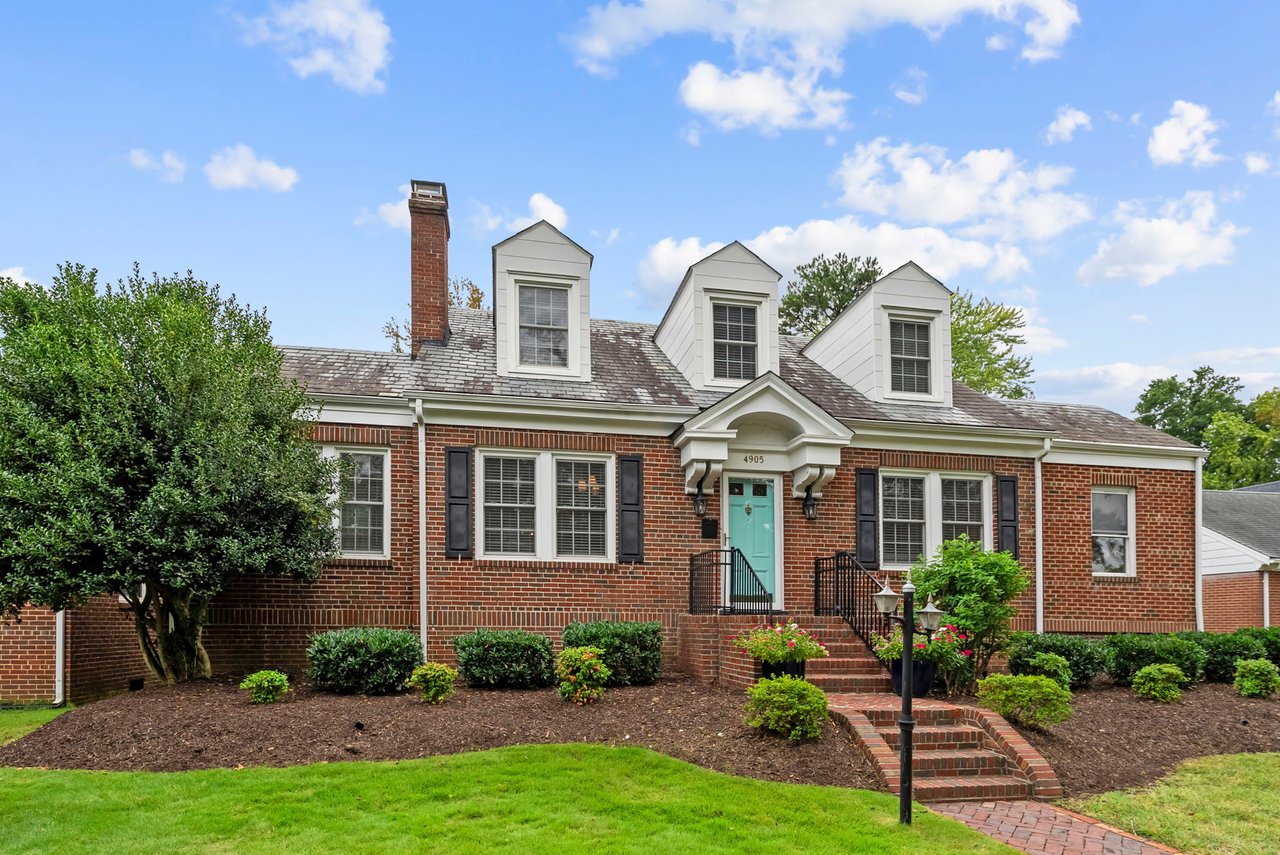
That matters because you are usually buying into an older urban neighborhood with architectural character, not a suburban investment product. Richmond describes the area as a dense, pedestrian district with sidewalks, mature trees, and a mix of primarily single-family and duplex dwellings alongside small apartment buildings and small commercial structures.
For you as a buyer, that means long-term livability counts just as much as monthly rent potential. A duplex that fits your daily life, offers privacy, and has manageable maintenance may outperform a property that only looks good on a spreadsheet.
What house hacking means here
House hacking a duplex usually means you live in one unit and rent the other. In the Museum District, that approach can help you enter a high-demand historic neighborhood while offsetting part of your housing cost.
But the strategy works best when the property already functions clearly as two separate units. The strongest candidates are usually the ones with documented work, clear separation between units, and a layout that fits the neighborhood instead of fighting it.
Start with parcel-level verification
Before you fall in love with a porch, floor plan, or projected rent number, verify the property at the parcel level. Richmond’s mapping tools can show zoning, special-use permits, city historic districts, and design overlay layers for a specific parcel.
This step is especially important because local rules are not applied as one blanket standard across every property in the Museum District. Richmond’s historic preservation guidance makes the practical point clear: review often depends on the exact parcel, not just the neighborhood name.
Why exterior changes need extra attention
Richmond’s design overlay guidelines focus on visible features such as building width, front setback, roof form, materials, windows, first-floor elevation, front doors, porches, and cornice height. These guidelines apply to residentially zoned properties within the overlay and work alongside other zoning and code requirements.
So if your house-hack plan depends on adding a separate entrance, changing windows, building exterior stairs, or creating an addition, do not assume you can make those changes freely. In this neighborhood, street-facing details can affect both your renovation timeline and your budget.
Confirm what the building actually is
Not every two-unit property in the Museum District has the same history. Some may be original duplexes, some may be later conversions, and some may be small apartment buildings that were adapted into two units over time.
That distinction matters because the renovation history, permit trail, and current legal unit count can affect your financing, your repair budget, and your rental assumptions. Before you rely on future income, confirm the documented unit count and any prior work history.
What to inspect closely in an older duplex
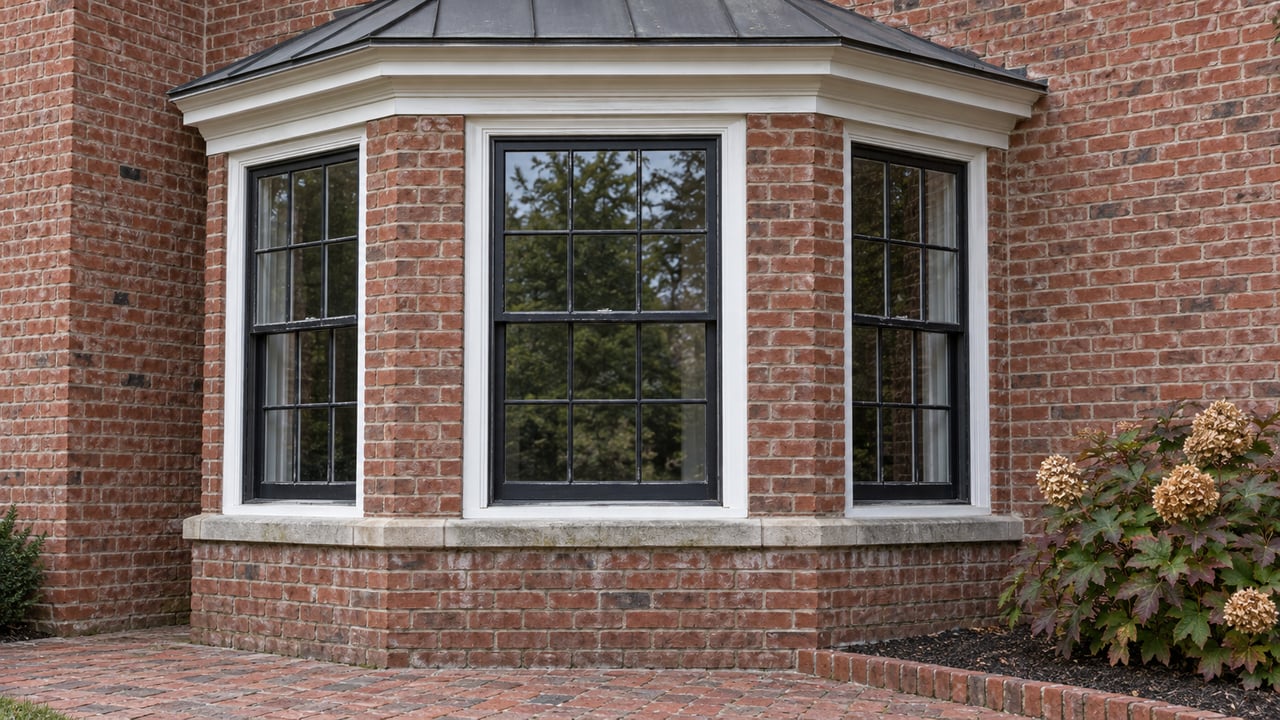
Because much of the neighborhood’s building stock dates to the early and mid-20th century, deferred maintenance can quickly change the math. In a brick historic district, the most visible features are often the same ones that drive renovation costs.
Pay especially close attention to:
- Roof condition
- Masonry and brickwork
- Porches and exterior stairs
- Windows
- Signs of deferred maintenance
These items matter for two reasons. First, they can be expensive to repair. Second, they are the kinds of visible elements that local design rules care about most.
Financing paths for a duplex house hack
For many buyers, owner-occupant financing is the most practical way to buy a duplex. If you plan to live in one unit, you may have more options than you would for a purely investor purchase.
FHA financing
HUD says FHA loans are available for 1- to 4-unit properties. In many cases, the minimum down payment can be as low as 3.5%.
HUD also says you must occupy the home within 60 days and intend to live there for at least one year. For a Museum District duplex, that can make FHA a useful option if the property condition supports financing and you are comfortable living on-site.
VA-backed financing
For eligible buyers, a VA-backed purchase loan can be another strong path. The VA says qualifying borrowers can use the loan to buy a home with up to four units, as long as the borrower lives in the property.
That can be especially appealing if you want the flexibility of living in one unit while renting the other. In a neighborhood where prices and upkeep can be meaningful, that owner-occupant structure can help.
Conventional low-down-payment options
Some conventional programs may also work for 2- to 4-unit primary residences. Research in this area shows that product-specific rules can be tighter than they are for a typical single-family home, especially around reserves and maximum loan-to-value.
The key takeaway is simple: duplex financing is possible, but the underwriting can be more nuanced. It helps to know your numbers early and shop with a clear plan.
Don’t ignore Richmond property taxes
When you run your numbers, include local real estate taxes from the start. Richmond’s current real estate tax rate is $1.20 per $100 of assessed value.
In a neighborhood where purchase prices and renovation costs can already run high, taxes can materially affect cash flow. Assessed values are available through Richmond’s Parcel Mapper, which makes it easier to build more realistic estimates before you make an offer.
Understand the tax picture of living and renting
House hacking can change more than your monthly payment. If you live in one unit and rent the other, the property becomes a mixed personal and rental-use situation.
IRS Publication 527 provides a duplex example showing that shared costs such as mortgage interest and real estate taxes generally need to be split between personal and rental use. Rental income is generally reported on Schedule E. That does not make house hacking a bad idea, but it does mean your bookkeeping should be clean from day one.
Historic rehab incentives can change the numbers
In the Museum District, renovation upside is not just about rent. Richmond says that contributing properties in a designated district, or individually designated properties, may be eligible for historic rehabilitation tax credits.
The city states that Virginia’s credit is 25% of qualified rehabilitation expenses, and the federal credit is 20% for income-producing property. The Virginia Department of Historic Resources also says the state program can apply to both owner-occupied and income-producing buildings.
Richmond also notes that a major rehabilitation may qualify for a real-estate tax abatement for up to ten years. If you are looking at a duplex that needs significant work, these programs may be worth exploring early because they can influence what renovation scope makes sense.
Layout matters more than first-time buyers expect
A good Museum District house hack is not just legal and financeable. It also has to be comfortable.
Living in one unit and renting the other tends to work best when the property offers separate entrances, sensible circulation, reasonable privacy, and a maintenance plan you can actually manage. In a close-knit urban setting, daily function matters just as much as charm.
Look for boundaries that feel natural
The best duplexes usually reduce friction before it starts. Clear entrances, private outdoor use patterns, and noise separation can make a huge difference once you are sharing a building with a tenant.
If your plan depends on exterior additions or visible changes to create those boundaries, assume you may need extra review time. In the Museum District, compatibility with the existing streetscape is a big part of the equation.
Code enforcement and vacancy issues matter
If you are considering a fixer-upper, do not stop at cosmetic updates. Richmond notes that rental properties can receive code-enforcement notices, and the city also states that a building vacant for more than 12 months may need to be registered as a vacant building with an annual fee if it meets the city’s derelict-building definition.
That makes due diligence especially important for duplexes that have been sitting empty before sale. A lower purchase price can lose its appeal quickly if the property comes with deferred code issues or a long repair list.
Be careful with short-term rental assumptions
Some buyers look at a duplex and immediately think about short-term rental income. In Richmond, that is not always a simple pivot.
The city says that in a residential zoning district, a short-term rental must be on the lot of the operator’s primary residence, and only one short-term rental is permitted on a residential lot. For most Museum District house-hack buyers, the safer working assumption is a long-term rental model unless short-term eligibility has already been verified.
What a strong Museum District duplex looks like
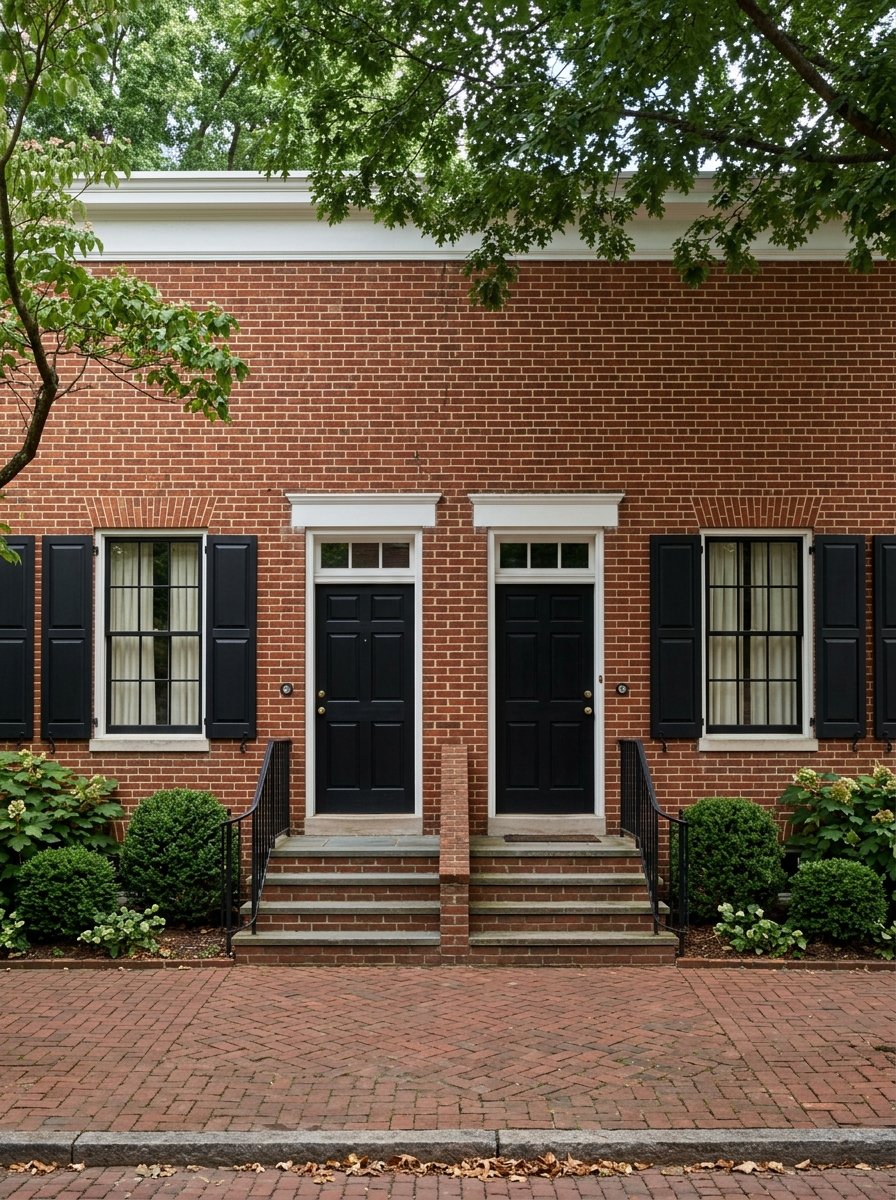
If you want a practical target, focus on properties with the basics already in place. In this neighborhood, that usually means a duplex that respects the historic scale of the area and does not require a risky reinvention.
A strong candidate often includes:
- Two clearly separated units
- Documented prior work or permits
- Predictable exterior maintenance needs
- A layout with privacy and sensible circulation
- Rent potential that works without aggressive remodeling assumptions
That kind of property may not be the flashiest opportunity. But it is often the one that gives you the best chance at a smoother first house hack.
Why local guidance helps in this neighborhood
The Museum District rewards buyers who pay attention to block-by-block character, building condition, and parcel-specific rules. This is exactly where local knowledge and construction perspective can save you time and expensive surprises.
If you are weighing a duplex in the Museum District, Gary can help you think through unit layout, visible maintenance issues, renovation trade-offs, and the neighborhood fit behind the numbers. When you’re ready to talk through your options, connect with Gary Martin.
FAQs
What makes house hacking a duplex in Richmond’s Museum District different from other neighborhoods?
- The Museum District is a historic, dense urban neighborhood with older housing stock, parcel-specific review considerations, and design rules that can affect exterior changes and renovation plans.
What should you verify before buying a duplex in Richmond’s Museum District?
- You should verify the parcel’s zoning, overlay status, permit history, legal unit count, and whether the property was originally built as a duplex or converted later.
Can you use FHA financing for a duplex house hack in Richmond?
- Yes. HUD says FHA loans are available for 1- to 4-unit properties, with a minimum down payment as low as 3.5% in many cases, if you occupy the property and meet loan requirements.
Can eligible buyers use a VA loan to buy a duplex in Richmond?
- Yes. The VA says eligible borrowers can use a VA-backed purchase loan for a property with up to four units if they live in the home.
How are property taxes calculated for a duplex in Richmond?
- Richmond’s real estate tax rate is $1.20 per $100 of assessed value, so taxes should be included early in your cash-flow calculations.
Are there historic rehab incentives for Museum District properties in Richmond?
- Possibly. Richmond says some contributing or individually designated properties may qualify for Virginia historic rehabilitation tax credits, federal credits for income-producing property, and in some cases a real-estate tax abatement after major rehab.
Can you turn the second unit of a Museum District duplex into a short-term rental?
- Maybe, but you should not assume it. Richmond says short-term rentals in residential zoning districts must be on the lot of the operator’s primary residence, and only one short-term rental is allowed on a residential lot.