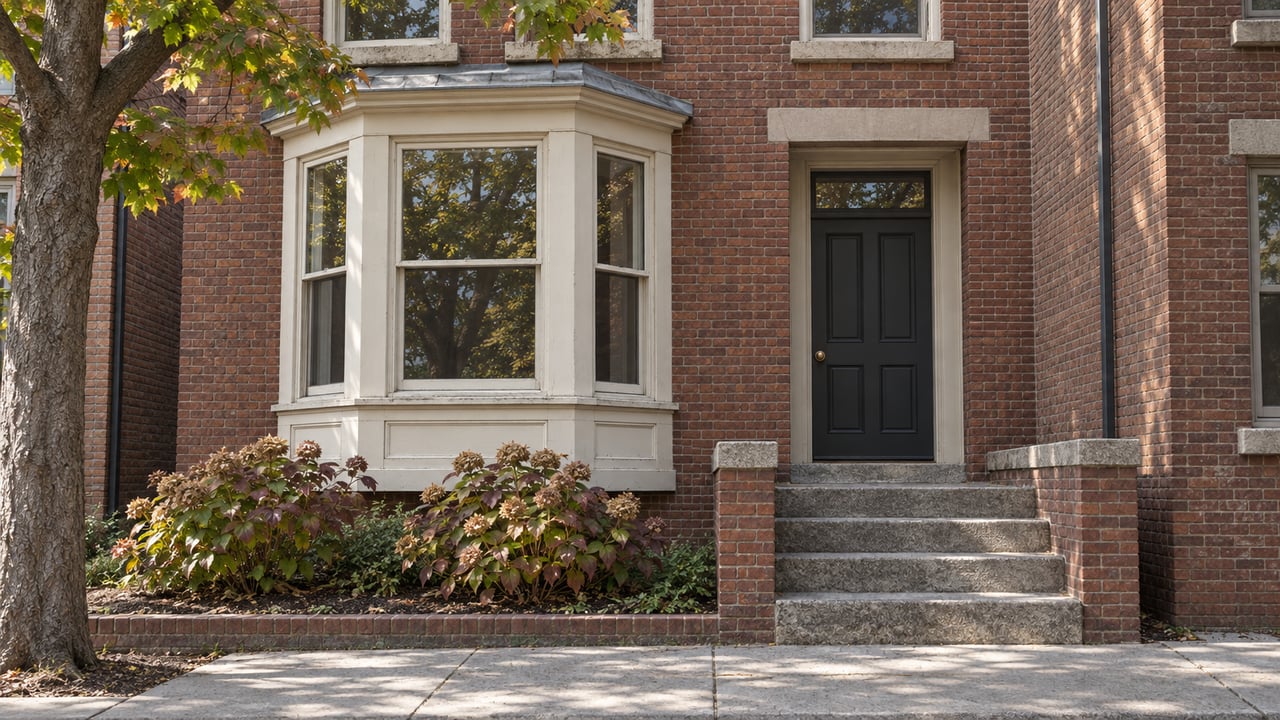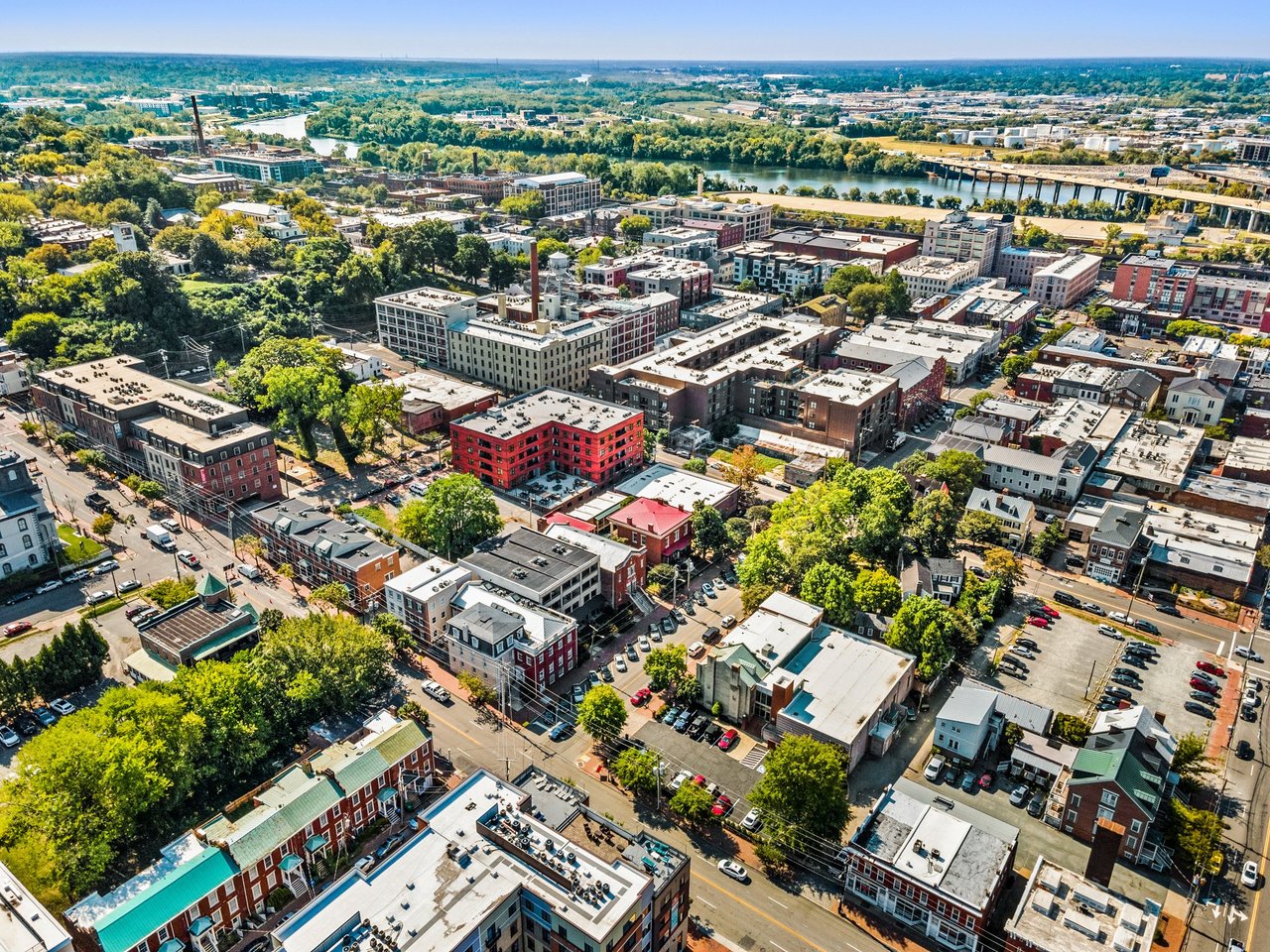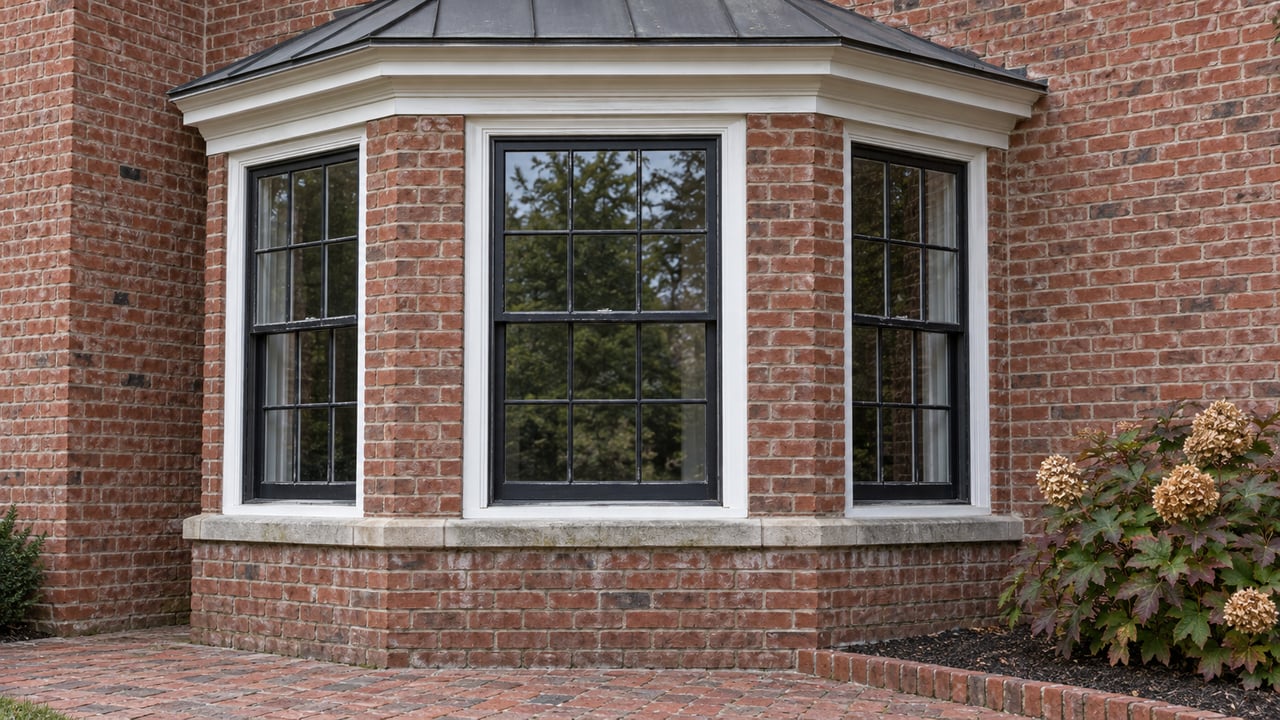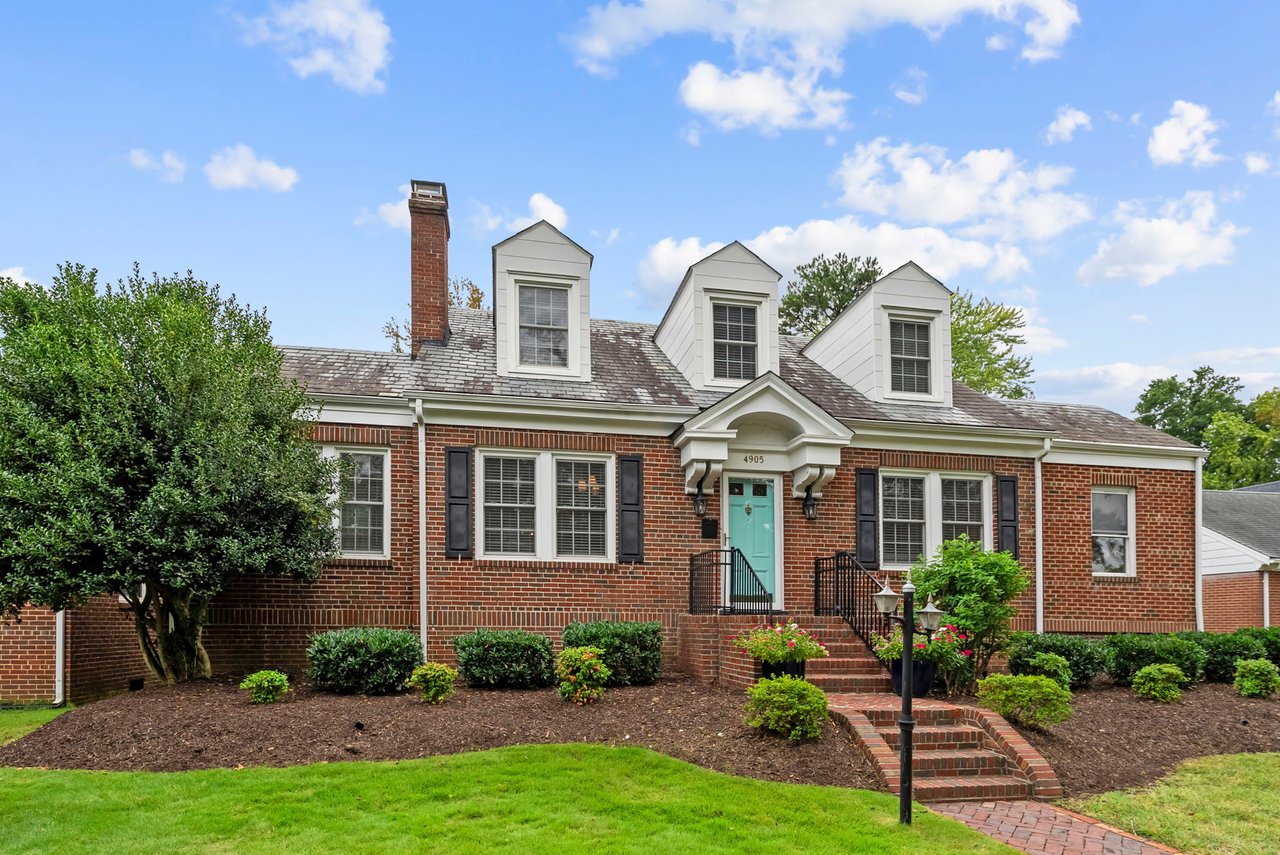
What does day-to-day life in Richmond’s Near West End actually feel like? If you are thinking about moving here, or you already live nearby and want a clearer picture of the area, the answer is less about one single destination and more about how easily your routine can come together. From coffee runs and grocery stops to parks, libraries, and transit, the Near West End offers a practical, lifestyle-driven rhythm that fits a wide range of schedules. Let’s take a closer look.
Near West End Daily Life
The Near West End works best when you think of it as a collection of connected hubs. Instead of relying on one main commercial strip, everyday life tends to flow through familiar corridors like Carytown, Westhampton, Willow Lawn, and Libbie Mill Midtown.
Those pockets are tied together by roads like Patterson, Broad, Grove, and Libbie. In real life, that means your routine can stay local and efficient, whether you are grabbing coffee, picking up groceries, heading to the library, or meeting friends for dinner.
Carytown for Browsing and Basics
On the Richmond side, Carytown brings a lively mix of shopping, food, and casual walkability. Visit Richmond describes it as Richmond’s Mile of Style, with boutiques, bookstores, candy shops, bike shops, coffee spots, patios, and the historic Byrd Theatre.
For many people, Carytown fits into everyday life as much as it does weekend plans. You can stop for groceries at Ellwood Thompson’s, grab coffee nearby, and turn a basic errand into an easy neighborhood outing.
Why Carytown Feels Useful
Carytown is not just a place to visit once in a while. It supports repeat trips because it mixes practical stops with places that make the day feel more enjoyable.
That blend matters if you want a neighborhood routine with variety. You are not choosing between convenience and character as often as you might in other parts of the metro.
Westhampton for Quick Errands
Libbie and Grove in Westhampton offer a different kind of rhythm. This area is known for a concentrated mix of stores, restaurants, bakeries, salons, specialty shops, and other day-to-day stops.
That setup makes it well suited for short errands and casual meetups. Instead of planning a long outing, you can often handle a few needs in one stop and still have time to sit down for coffee or a meal.
A Neighborhood-Scale Routine
Westhampton tends to feel especially practical because so many uses are close together. The corridor supports a routine built around shorter trips and familiar places, which is often what people mean when they say an area feels easy to live in.
For buyers comparing Richmond neighborhoods, that kind of convenience can shape how a home fits your lifestyle just as much as square footage or finishes.
Willow Lawn and Libbie Mill Convenience
If Carytown and Westhampton lean more toward browsing and neighborhood-scale errands, Willow Lawn and Libbie Mill Midtown cover a lot of the practical side of daily life. Visit Richmond describes The Shops at Willow Lawn as an expanding center with more than 30 places to shop, including national chains and a day spa.
A few blocks away, Libbie Mill Midtown adds a mixed-use pattern of homes, apartments, offices, restaurants, retail, green space, and a library. Together, these areas form one of the Near West End’s strongest convenience clusters.
Where Weekday Tasks Get Easier
This part of the Near West End is helpful when you want to combine multiple stops in one trip. It is often the kind of place people rely on for regular errands, service appointments, pickup orders, and flexible weekday routines.
That matters if you work from home, manage a busy family schedule, or simply want more options close by. In the Near West End, convenience is spread across several nodes rather than concentrated in just one place.
Parks and Outdoor Time Nearby
The Near West End is not only about retail corridors. Outdoor spaces are an important part of the area’s everyday appeal, especially if you want low-effort options for walking, relaxing, or spending time outside without planning a full day trip.
Maymont is one of the best-known nearby destinations, with free grounds, gardens, a nature center, and wildlife and farm attractions. It works well for walks, seasonal outings, and casual visits that do not require much advance planning.
Byrd Park and River Access
Byrd Park offers a more everyday neighborhood-park experience. It includes lakes, picnic shelters, tennis courts, summer pedal-boat rides, a dog park, and an exercise loop.
If you want a bigger outdoor setting, the James River Park System adds a much broader network for hiking, biking, and kayaking. The system includes more than 550 acres and features the North Bank and Buttermilk loop, which stretches more than eight miles.
Henrico Park Options
On the Henrico side, nearby parks add even more flexibility to your routine. Deep Run Park & Recreation Center includes exercise trails, hiking and nature trails, open play areas, picnic shelters, play equipment, and a recreation center.
Tuckahoe Creek Park offers fishing and creek-edge access. These options reinforce the idea that West End living can include both convenience and easy access to outdoor space.
Libraries That Support Real Life
Libraries play a bigger role in everyday living here than many buyers expect. They are not just quiet places to borrow books. In the Near West End, they also support work-from-home schedules, homework time, study sessions, printing needs, and low-cost outings.
The West End Branch Library on Patterson Avenue includes a parking lot, some on-street parking, free Wi-Fi, printing and copying, faxing, notary services, meeting rooms, a study room, public computers, and a large children’s area.
Libbie Mill Library Features
Henrico’s Libbie Mill Library serves a similar role on the county side. It offers long weekday hours, a digital media lab, study and conference rooms, a children’s reading garden, a quiet reading room, drive-up return and pickup, and parking for about 235 vehicles.
For many households, access to this kind of library infrastructure can make day-to-day life smoother. It adds flexibility for students, remote workers, and anyone who wants a useful third place close to home.
Getting Around the Near West End
Transportation in the Near West End can be more flexible than some people assume. While many trips are still car-based, transit also plays a real role in the area’s daily rhythm.
GRTC’s Pulse runs between Willow Lawn and Rockett’s Landing with fare-free service. Weekday frequency is every 10 minutes at peak times and every 15 to 30 minutes at other times.
Key Transit Routes
Other routes help connect the Near West End to surrounding parts of Richmond. Route 76 Patterson serves the Fan, Museum District, West End, St. Mary’s Hospital, and Willow Lawn.
Route 77 Grove connects the West End with the University of Richmond and VCU. Route 50 Broad Street links Willow Lawn with Scott’s Addition, the Sauer Center, VCU, and downtown, while Route 19 West Broad Street runs from Willow Lawn toward Short Pump.
Why This Matters Day to Day
The practical takeaway is simple. You can build a routine here that is car-based, transit-based, or a mix of both, depending on where you live and what your week looks like.
That flexibility is one reason the Near West End appeals to so many different buyers. The area supports short repeatable trips instead of forcing you into one pattern for every errand or outing.
What Makes the Near West End Appealing
The Near West End stands out because it balances lifestyle and function. You have walkable pockets for dining and browsing, larger retail clusters for practical errands, outdoor spaces for a quick reset, and libraries that support the details of everyday life.
For buyers, that can translate into a neighborhood that feels usable, not just attractive on paper. For sellers, it helps explain why homes here often appeal to people who care about how their daily routine will actually work.
If you are evaluating the Near West End, it helps to look beyond labels and focus on your real schedule. Where do you want to get coffee, shop for groceries, spend time outside, or knock out weekday errands without crossing the whole region?
Richmond Lifestyle and Home Decisions
That question is where real estate becomes local. In a place like the Near West End, the right fit is often about how close you are to the routines you value most.
Whether you are drawn to Carytown energy, Westhampton convenience, Willow Lawn practicality, or Libbie Mill flexibility, the area offers several distinct ways to live well. Understanding those patterns can help you choose a home with more confidence and market a home with a clearer story.
If you are thinking about buying or selling in the Near West End, Gary Martin can help you connect the neighborhood’s day-to-day lifestyle with smart real estate decisions.
FAQs
What is everyday life like in Richmond’s Near West End?
- Everyday life in the Near West End usually centers on connected hubs like Carytown, Westhampton, Willow Lawn, and Libbie Mill Midtown, where you can handle errands, dining, parks, and library visits through short repeatable trips.
What are the main shopping and errand areas in the Near West End?
- The main everyday-use areas are Carytown, Libbie and Grove in Westhampton, The Shops at Willow Lawn, and Libbie Mill Midtown, each offering a different mix of dining, retail, and practical services.
What parks are near Richmond’s Near West End?
- Nearby outdoor options include Maymont, Byrd Park, the James River Park System, Deep Run Park & Recreation Center, and Tuckahoe Creek Park.
Are there libraries in the Near West End of Richmond?
- Yes, the West End Branch Library and Libbie Mill Library both support everyday needs with features like Wi-Fi, study space, printing, meeting rooms, and parking.
Is public transit available in Richmond’s Near West End?
- Yes, GRTC serves the area through the fare-free Pulse and routes including 76 Patterson, 77 Grove, 50 Broad Street, and 19 West Broad Street, giving you several options for getting around.
Why do buyers like Richmond’s Near West End?
- Many buyers are drawn to the area because it offers a mix of practical convenience, neighborhood-scale shopping and dining, outdoor access, and flexible ways to build a daily routine.