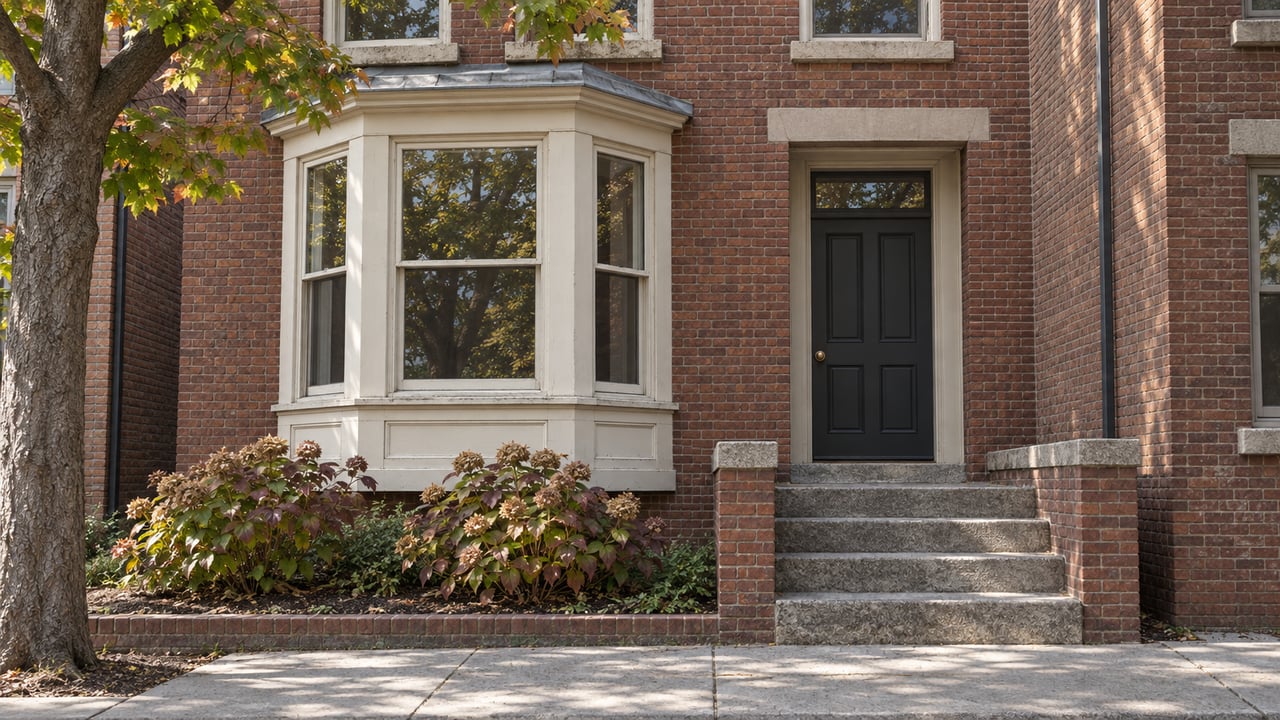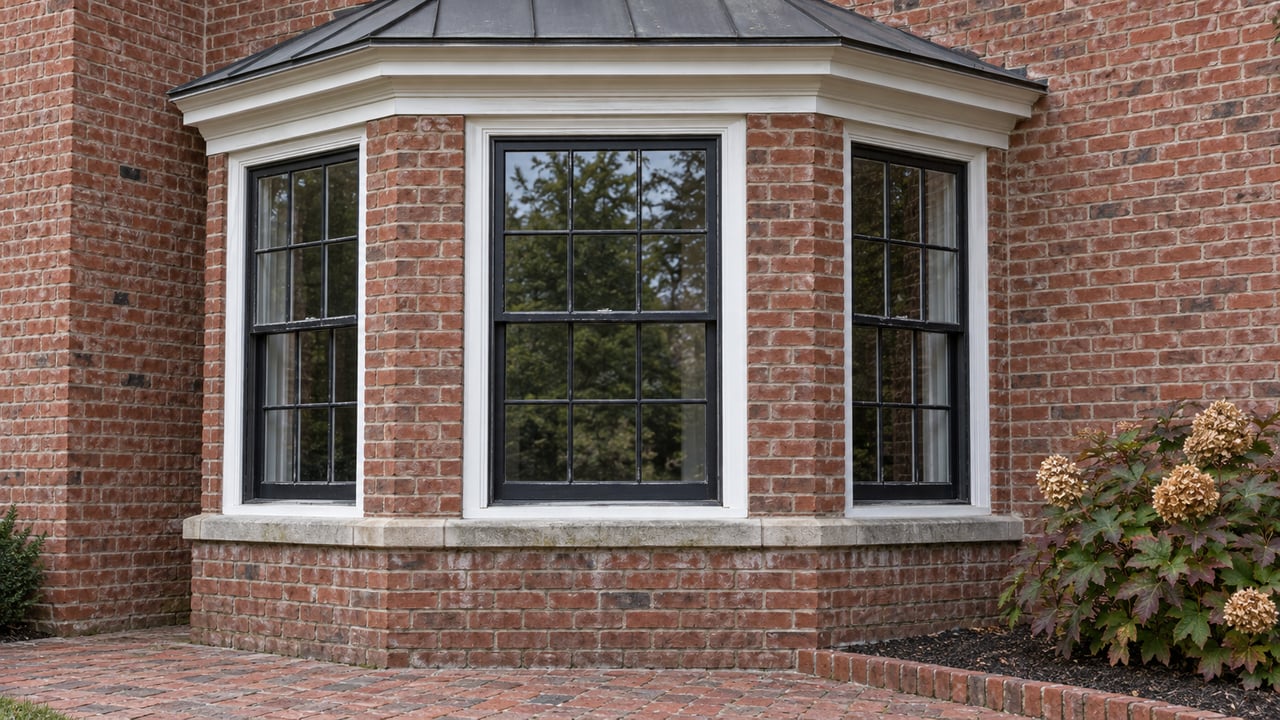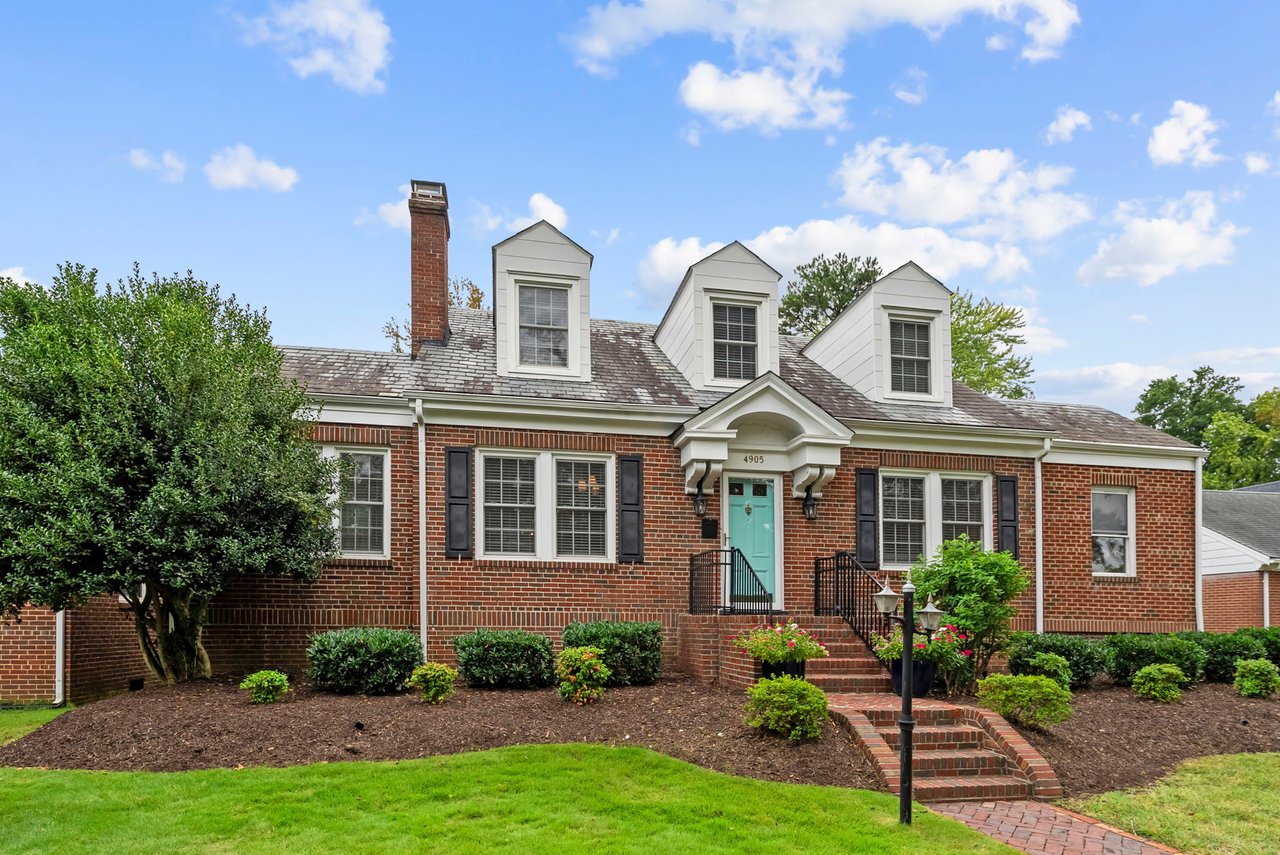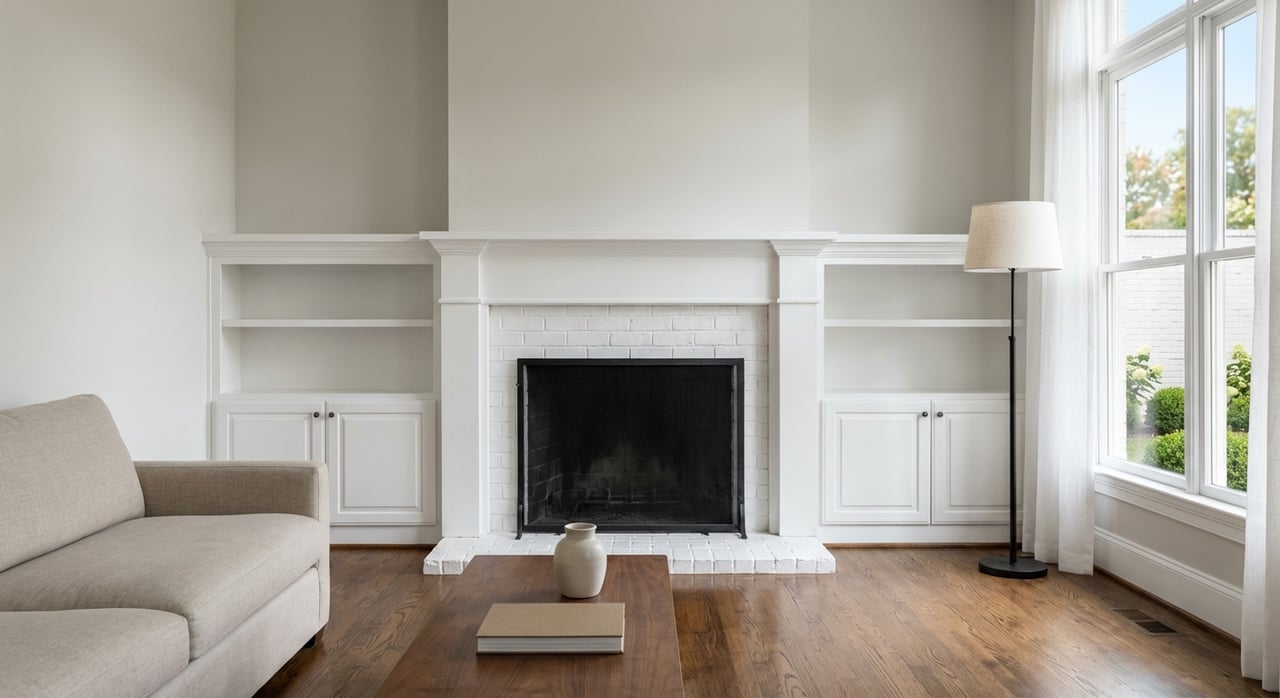
How do you put a price on a Near West End classic where arched doorways, slate roofs, and leaded glass meet a newer family room or a 1990s kitchen? If you own in Windsor Farms, Westhampton, or near the University of Richmond, you know buyers will notice the details. You also know not every update or original feature shows up neatly on a spreadsheet. This guide shows you how agents price homes with character in the Near West End, what actually moves value, and how to set a smart list price that supports your goals. Let’s dive in.
Know your Near West End market
The Near West End is a cluster of micro-markets. Windsor Farms and Westhampton often command premium prices for preserved architecture and proximity to Carytown, the James River, and the University of Richmond. Meanwhile, nearby pockets with 1920–1950s cottages, Cape Cods, and ranches trade closer to market medians. Luxury activity has grown across Richmond, with more million-dollar sales reported in recent years, which supports strong pricing for standout properties in this area (local coverage on luxury sales).
Think of city and county as two different backdrops. Recent reports put Richmond’s median sale price in the high $300,000s and Henrico’s near $400,000. Days on market have cooled from peak frenzy, and trends vary block to block. Henrico’s tax policy and the City of Richmond’s tax rate shape monthly costs, which can influence buyer pools on either side of the line. Use these figures for context, then lean on a pocket-level analysis for precision.
How agents build your price
Start with a tight CMA
Your pricing begins with a Comparative Market Analysis that narrows value using recent nearby sales, then checks current competition. A solid CMA focuses on the past 3 to 6 months when possible and explains adjustments in plain numbers. The National Association of Realtors outlines this approach clearly (NAR pricing guide). Your agent will review:
- Recent closed sales that are closest in location, size, and features.
- Active and pending listings that compete for the same buyers right now.
- Price-per-square-foot bands and days on market for your immediate pocket.
- Lot size, curb appeal, off-street parking, and proximity to Carytown, the James River, and the U of R.
Adjust for condition and character
Original mantels, moldings, built-ins, plaster, hardwoods, and intact layouts attract a specific buyer segment. The market will pay a premium when features are in good functional condition and local sales prove it. Appraisers primarily use the sales comparison approach and may consider the cost approach when comparable sales are scarce, especially for unique historic homes (FHA/HUD appraisal standards). Help the process by documenting your restorations with photos, permits, and receipts.
Choose a position in the range
A good CMA produces a defensible range. You then pick a strategy that fits your goals and the tempo of the pocket:
- Price-to-market: List at the middle to top of the range when your home is well presented and you can wait for the right buyer (NAR pricing guide).
- Price-to-compete: List slightly below the strongest competition to maximize traffic and improve odds of multiple offers when inventory is tight.
- Value listing (speed): Choose the lower end of the range if a faster sale is your top priority (NAR pricing guide).
What character is worth in the Near West End
There is no fixed premium for “character.” Value depends on the local market and comparable sales. Well-preserved features can lift your price if buyers in your pocket seek them and recent closings support the bump. If those features come with high maintenance costs, the market may discount accordingly.
Renovations and ROI in Richmond
Remodeling research shows many large projects recoup only part of their cost at resale. Use this to set expectations about price and pre-list work:
- Wood window replacement often recoups about 60 to 70 percent of its cost.
- A midrange bath remodel can recoup roughly 64 to 74 percent, depending on scope.
- Major or upscale kitchen remodels commonly recoup around 30 to 38 percent in many markets.
You can review regional benchmarks in the Richmond/South Atlantic dataset (Cost vs. Value report). These numbers help you prioritize fixes that support price without overinvesting right before you list.
Additions and permits
Unpermitted additions are a common price drag. They can limit buyer financing, trigger delays, or prompt renegotiations. Virginia law requires disclosure of certain items, including pending building-code enforcement actions, under the Residential Property Disclosure Act. Your agent will either advise getting the work permitted, pricing with a risk adjustment, or negotiating terms that address the concern (Virginia code reference).
City vs. county details that shift price
Taxes and local rules shape buyer budgets and expectations. Henrico’s budget process has highlighted real estate tax relief in recent cycles, which can be meaningful for monthly costs (Henrico tax relief overview). The City of Richmond posts the current real estate tax rate publicly, which you should include when estimating a buyer’s monthly payment and your own net (Richmond tax rate page).
If your property is in a local Old & Historic District, exterior changes often need review by the Commission of Architectural Review, which issues Certificates of Appropriateness. That process can affect marketing timelines and buyer expectations about future exterior work (Richmond CAR overview). On the plus side, historic resources and incentives can boost buyer confidence when documented. Historic Richmond maintains renovation resources and information about possible tax credits and preservation programs (Historic Richmond resources).
Lenders and appraisers will look closely at habitability and safety on some loan programs. That can mean repairs for items like missing handrails, peeling paint on pre-1978 surfaces, or electrical concerns before closing. Plan for these in your pricing and prep.
Your pre-list pricing checklist
- Gather documents: permits, Certificates of Appropriateness, warranties, restoration invoices, contractor receipts, and any tax credit paperwork. These support value and help underwriting go smoothly (Historic Richmond resources).
- Consider a pre-list inspection: identify roof, HVAC, electrical, and plumbing issues so your price reflects true condition or you can complete targeted repairs (NAR pricing guide).
- Estimate comp adjustments: square footage, beds/baths, finished basement, garage, lot size, floor plan functionality, and finish quality should be quantified in the CMA.
- Elevate presentation: use professional photos that highlight period details, add a floor plan, and include a concise feature list with system ages and restoration notes.
- Prioritize repairs vs. credits: address major safety or structural items; consider offering a credit for discretionary updates. Use local ROI data to avoid over-improving before listing (Cost vs. Value report).
- Handle required disclosures: for pre-1978 homes, federal law requires a lead-based paint pamphlet and signed lead disclosure before ratification (EPA disclosure rules).
Appraisal prep for older homes
Give the appraiser the best packet you can. Include the CMA, permits and COAs, receipts for major systems and restorations, and high-quality photos of period features. For unique homes where exact comps are thin, appraisers rely on sales comparison first and may also consider the cost approach to support value. Expect them to follow established guidelines for safety and soundness on specific loan programs (FHA/HUD appraisal standards).
Common buyer concerns and how to respond
- Old windows or energy efficiency: provide storm-window notes, restoration receipts, or a replacement estimate; ROI data helps set expectations (Cost vs. Value report).
- Unpermitted addition: disclose, consult the locality about remedy, or price with a clear adjustment and terms that reflect the risk (Virginia code reference).
- Historic restrictions: explain exterior review and typical timelines; interior work is often more flexible in many districts (Richmond CAR overview).
Put it together: picking your list price
Use your CMA to set a range, then pick your lane:
- Price-to-market if your home is turnkey, distinctive, and you can wait for the right match (NAR pricing guide).
- Price-to-compete if you want to broaden traffic and create urgency against current listings.
- Value listing if speed and certainty matter more than squeezing the last dollar.
Review early showings and feedback during week one and two. If the market is telling you to adjust, do it swiftly and clearly so you do not chase the market.
Ready to price your Windsor Farms, Westhampton, or U of R corridor home with clarity and confidence? Connect with Gary Martin for a pocket-level CMA, a builder’s-eye condition review, and premium marketing that showcases your home’s story. Let’s talk about your Richmond home.
FAQs
How much does original character add to value in the Near West End?
- It depends on buyer demand in your pocket and recent comparable sales; preserved features can command a premium when supported by local closings, condition, and documentation.
Do I need to replace older or historic windows before listing a Near West End home?
- Rarely; share repair records or estimates, and use local ROI data to decide if replacement makes sense or if a seller credit is smarter.
What should I do if my Near West End home has an unpermitted addition?
- Disclose it, consult the locality about permitting a remedy, or price with terms that reflect the risk so financing and closing are not delayed.
Will an appraiser value my unique period features in Richmond?
- Appraisers focus on what buyers paid in recent sales; provide a strong packet of comps, permits, receipts, and photos so they can support value appropriately.
How do Richmond vs. Henrico real estate taxes affect my home’s price?
- Different tax rates change monthly carrying costs, which can shift buyer affordability and demand; include the current rate in your pricing and net sheets.