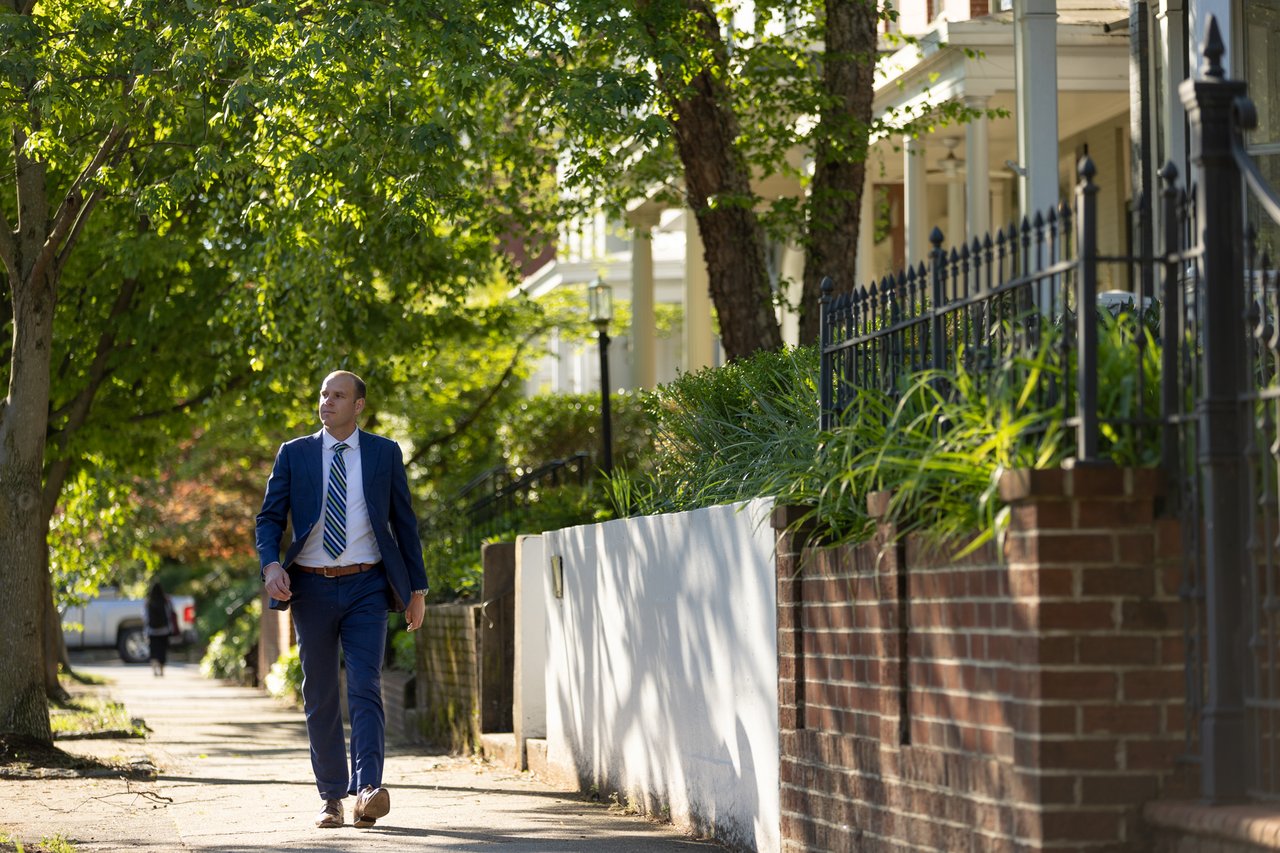
There are historic neighborhoods… and then there is the Fan District.
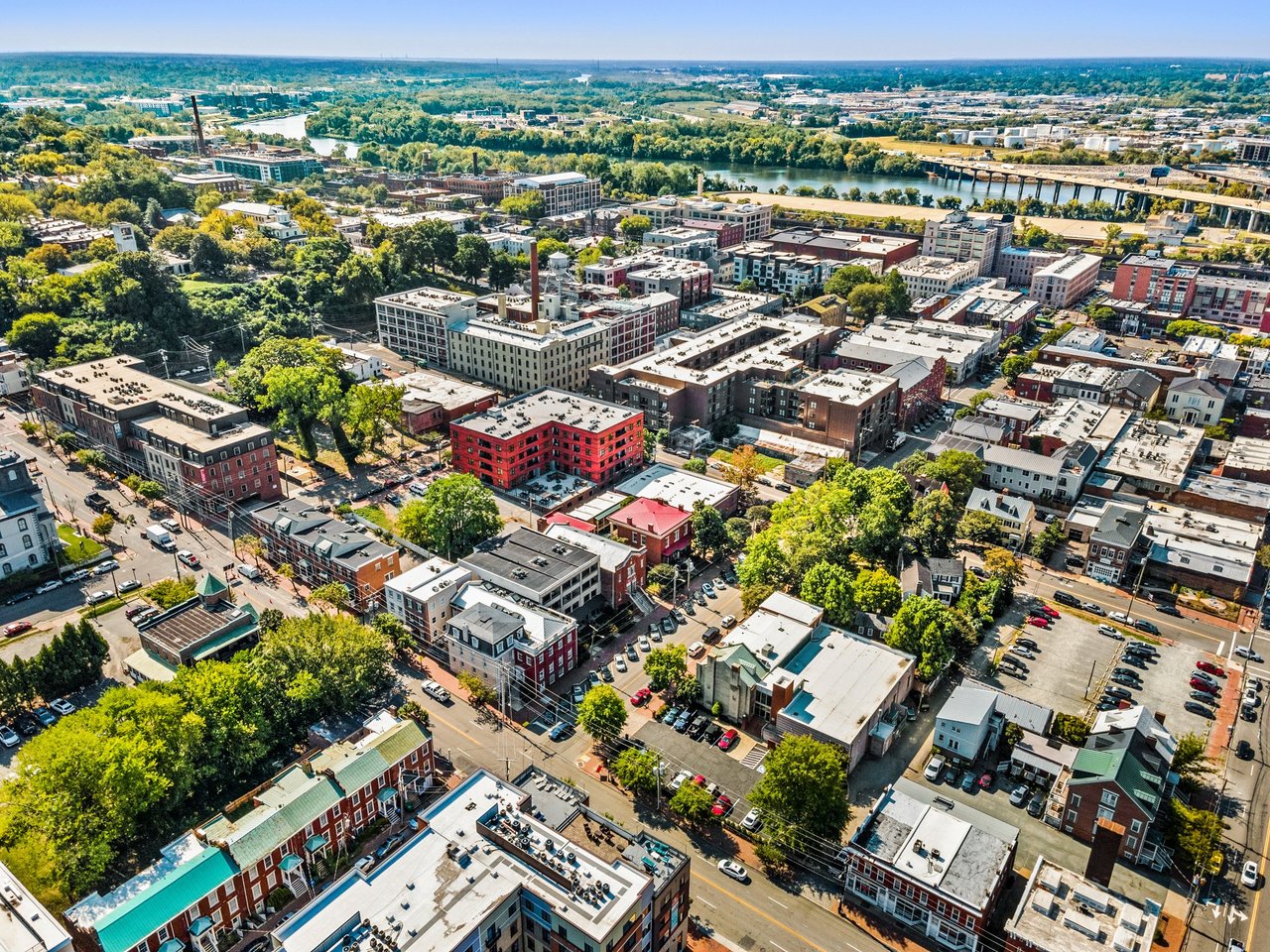
Eighty-five blocks just west of downtown Richmond, the Fan unfolds exactly the way its name suggests — streets radiating outward in a graceful arc from Monroe Park toward the Boulevard. The pattern traces the path of a late-19th-century trolley line, and that thoughtful urban design still shapes the rhythm of life here today: walkable blocks, corner cafés, front porches, and architecture that feels collected over generations rather than constructed all at once.
For sellers, this history isn’t just charming trivia.
It’s leverage.
A Neighborhood Built With Intention
Long before the Victorian homes defined its character, this land evolved from farmland and early settlement into one of the most ambitious residential expansions in Richmond’s history. As the city’s population surged in the late 1800s, the area expanded westward and construction accelerated.
By 1920, the district was largely complete — and what emerged was extraordinary.
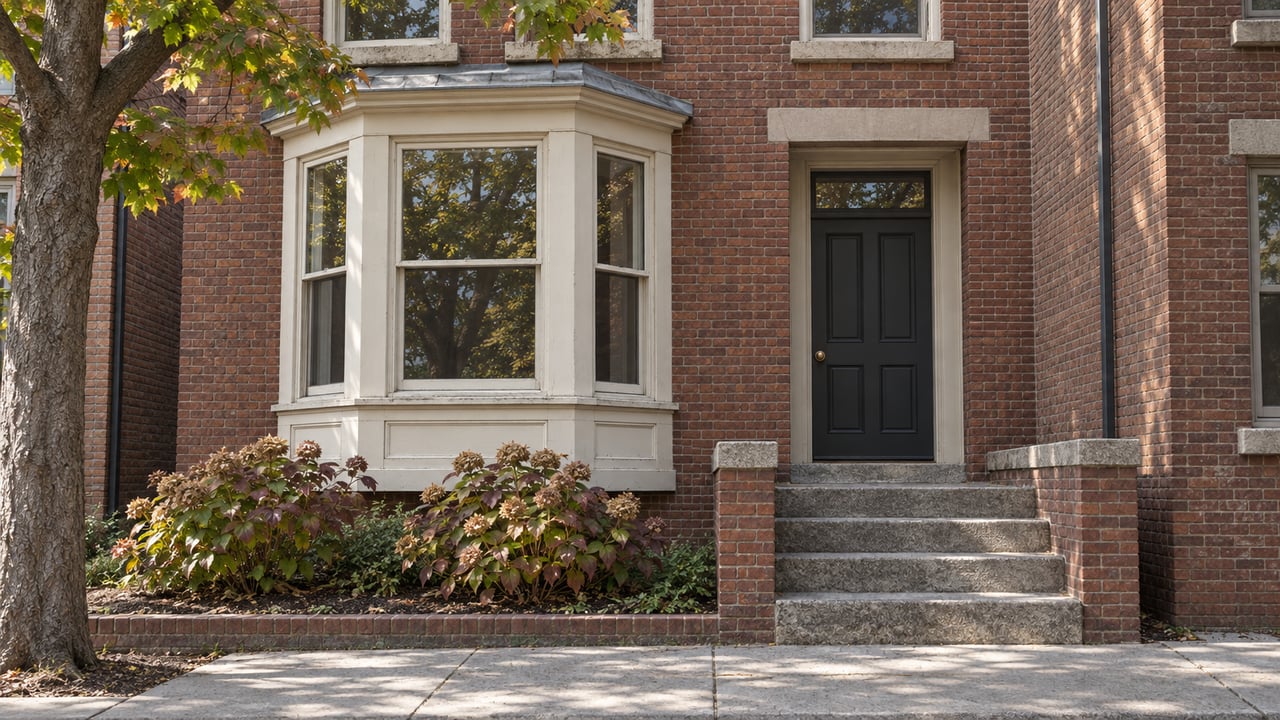
While relatively few architects and builders were responsible for much of the development, they created a tapestry of design styles that still sets the Fan apart:
-
Italianate
-
Richardson Romanesque
-
Queen Anne
-
Colonial Revival
-
Tudor
-
Beaux Arts
-
Art Deco
-
Arts and Crafts
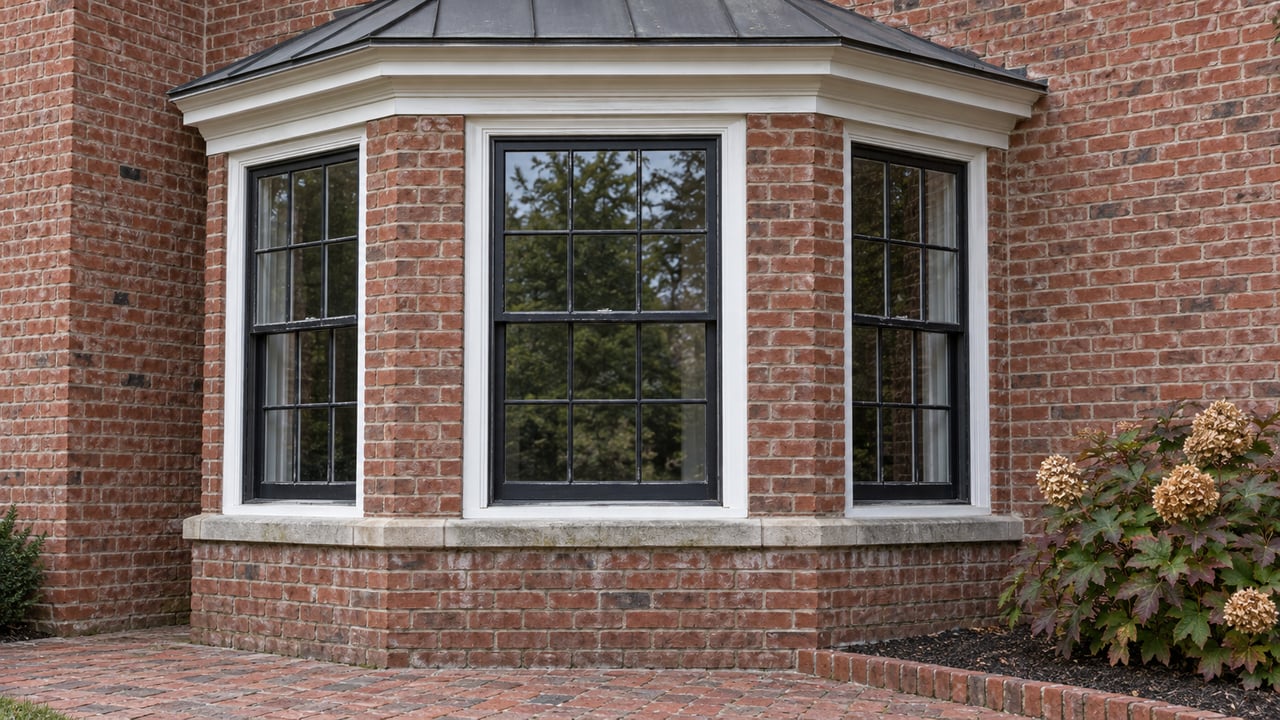
That variety gives the neighborhood depth. But the consistent scale, brick façades, and cohesive streetscapes give it harmony. It’s why the Fan is often described as the largest intact Victorian neighborhood in the country — and why buyers from outside Richmond are immediately drawn to it.
Revival, Reinvention, and Today’s Demand
Like many American cities, the Fan experienced periods of transition. Some of its grand homes were subdivided during the Depression. But in the 1950s, something remarkable happened.
People rediscovered it.
The proximity to downtown.
The shaded streets.
The architectural substance.
The energy near Monroe Park and the universities.
A renovation movement took hold — and it never truly stopped.
Today, buyers aren’t just purchasing square footage. They’re buying:
-
Walkability to restaurants and coffee shops
-
Architectural pedigree that cannot be replicated
-
A front-row seat to Richmond’s culture
-
Long-term desirability in a supply-constrained market
And that’s where strategic marketing becomes everything.
If You’re Selling in the Fan, The Story Must Be Told Correctly
A home in the Fan is not a commodity. It’s not interchangeable with suburban inventory. And it cannot be marketed with a generic listing strategy.
When we represent a home here, we don’t just photograph it. We position it.
We highlight:
-
The specific architectural style and era
-
The block — because in the Fan, the block matters
-
The walkability score and lifestyle anchors
-
The historic details buyers romanticize
-
The emotional pull of owning something irreplaceable
We market beyond Richmond — to buyers in D.C., Northern Virginia, Charlotte, New York — people actively searching for authentic, urban, architectural living with character.
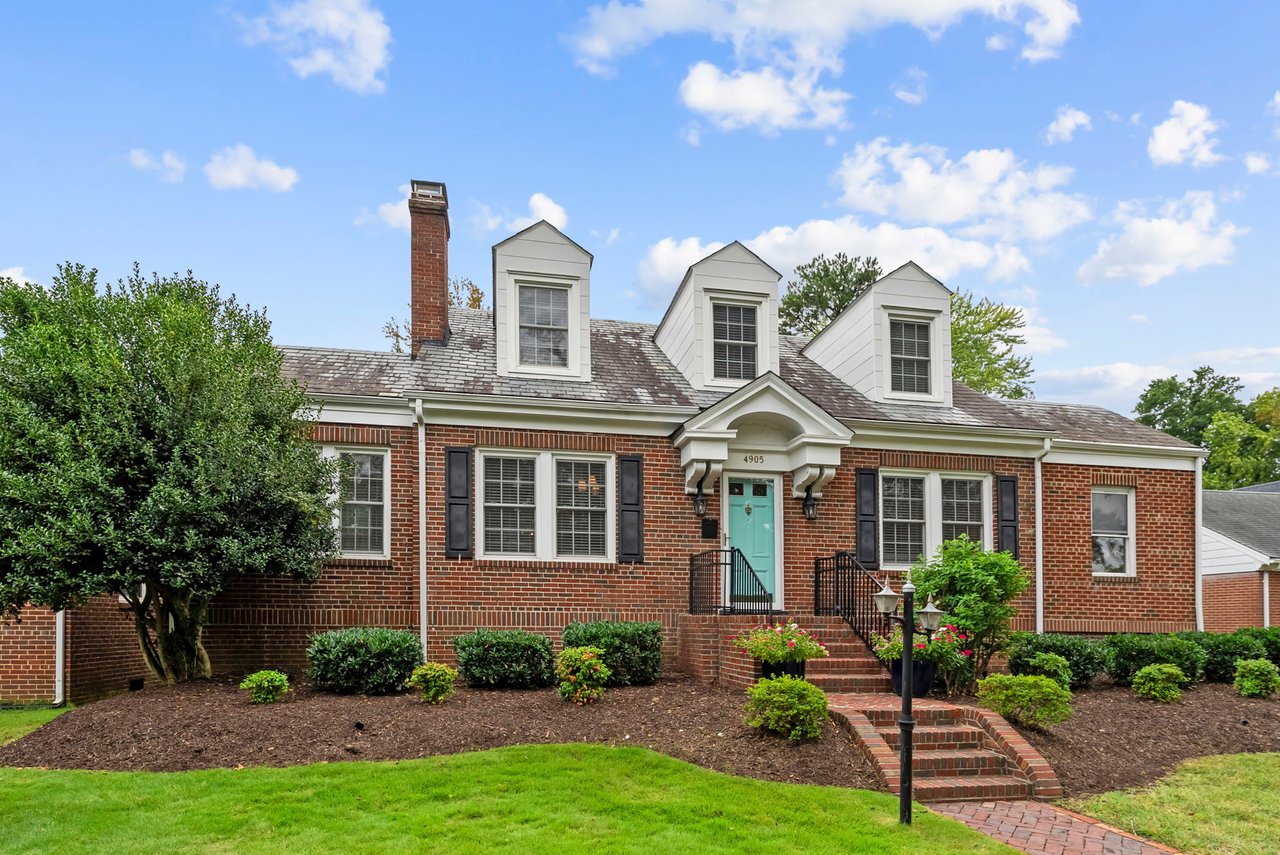
Through targeted digital campaigns, upgraded listing exposure, curated social storytelling, and strategic photography (yes, multiple compelling front exterior images matter more than most realize), we create competition.
Because in a neighborhood where supply is finite, exposure equals leverage.
Why This Matters For You
If you own a home in the Fan, you own a piece of Richmond’s architectural backbone.
But the value isn’t automatic.
It’s unlocked.
The right positioning can mean:
-
Stronger first impressions
-
More qualified showings
-
Multiple offers
-
Cleaner terms
-
A smoother closing
There are buyers actively waiting for the right Fan home to appear. Our job is to make sure when yours hits the market, it feels like the one.
If you’ve even considered selling in the Fan District, let’s talk strategy first — not price reductions later.
The history is already on your side.
Now we make the market work for you.
— Gary Martin
Richmond Real Estate | Historic Home Specialist