Thinking about a move to Richmond’s Museum District? This neighborhood has a strong pull for buyers who want charm, walkability, and easy access to some of the city’s best-known cultural spots. If you are trying to decide whether it fits your budget, lifestyle, and housing goals, this guide will help you weigh the trade-offs clearly. Let’s dive in.
What the Museum District Feels Like
The Museum District is a neighborhood in the City of Richmond, not Henrico County. It sits between The Fan and Richmond’s West End and is anchored by the Virginia Museum of Fine Arts and the Virginia Museum of History & Culture.
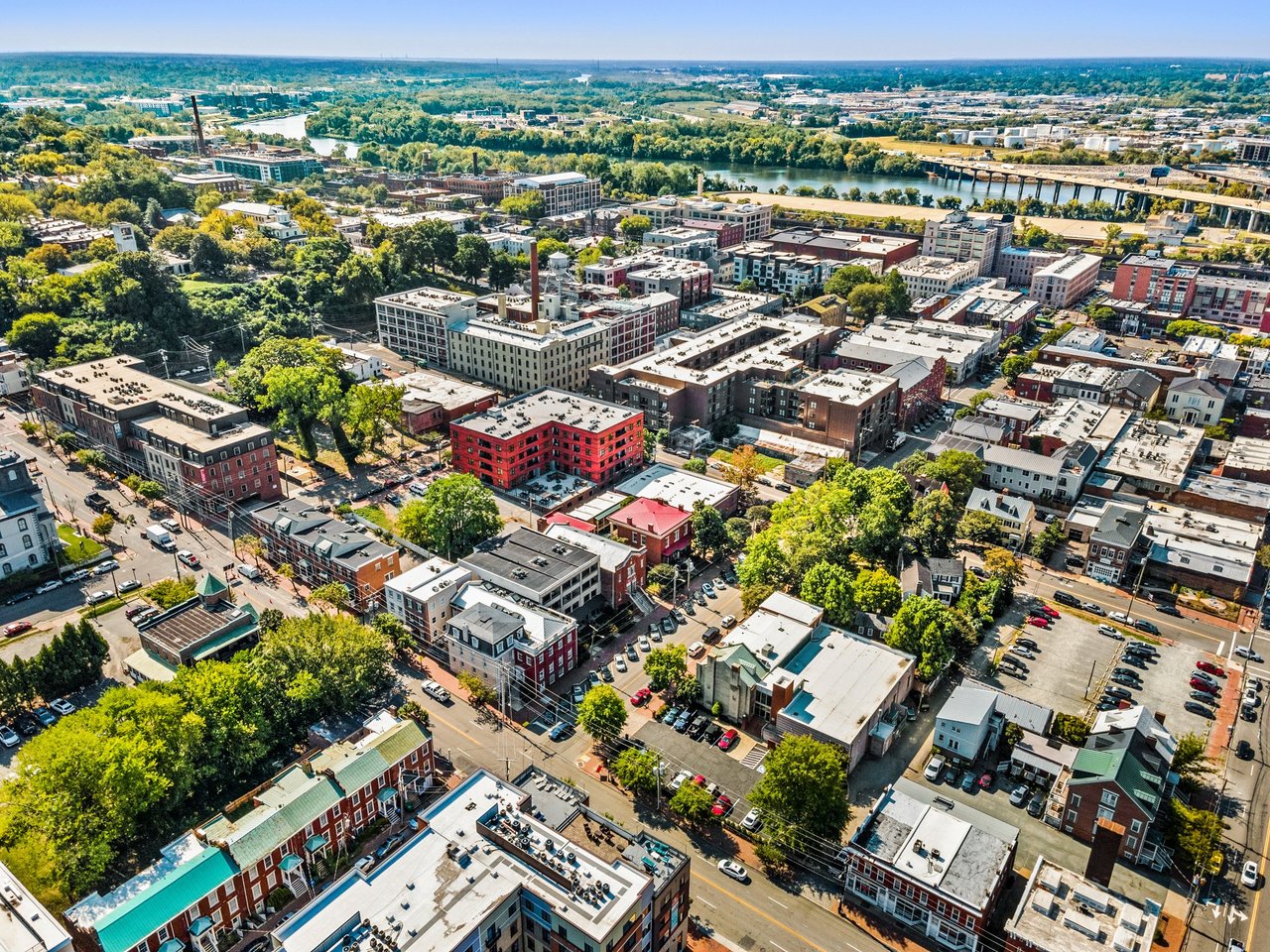
In day-to-day terms, this area feels urban, connected, and amenity-rich. Tree-lined sidewalks, a dense street layout, and close proximity to Carytown give it a walkable, lived-in feel that appeals to people who want more than just a house.
Why Buyers Look Here
For many buyers, the Museum District offers a lifestyle that is hard to duplicate elsewhere in Richmond. You are close to major museums, local coffee spots, casual dining, grocery options, and transit routes, all within a neighborhood known for historic architecture.
This is often a strong match if you want your routine to include walking or biking to nearby destinations. It can be a weaker fit if you want a large yard, a brand-new home, or fewer rules around exterior changes.
Housing Styles You Can Expect
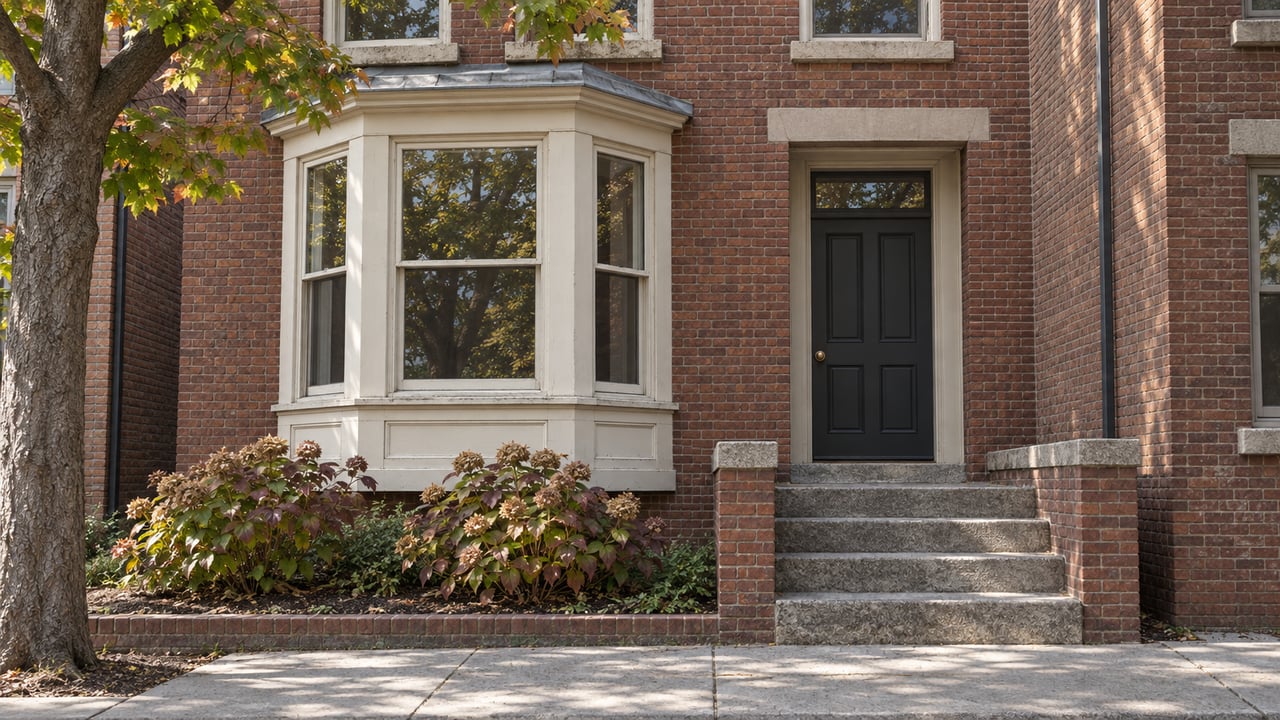
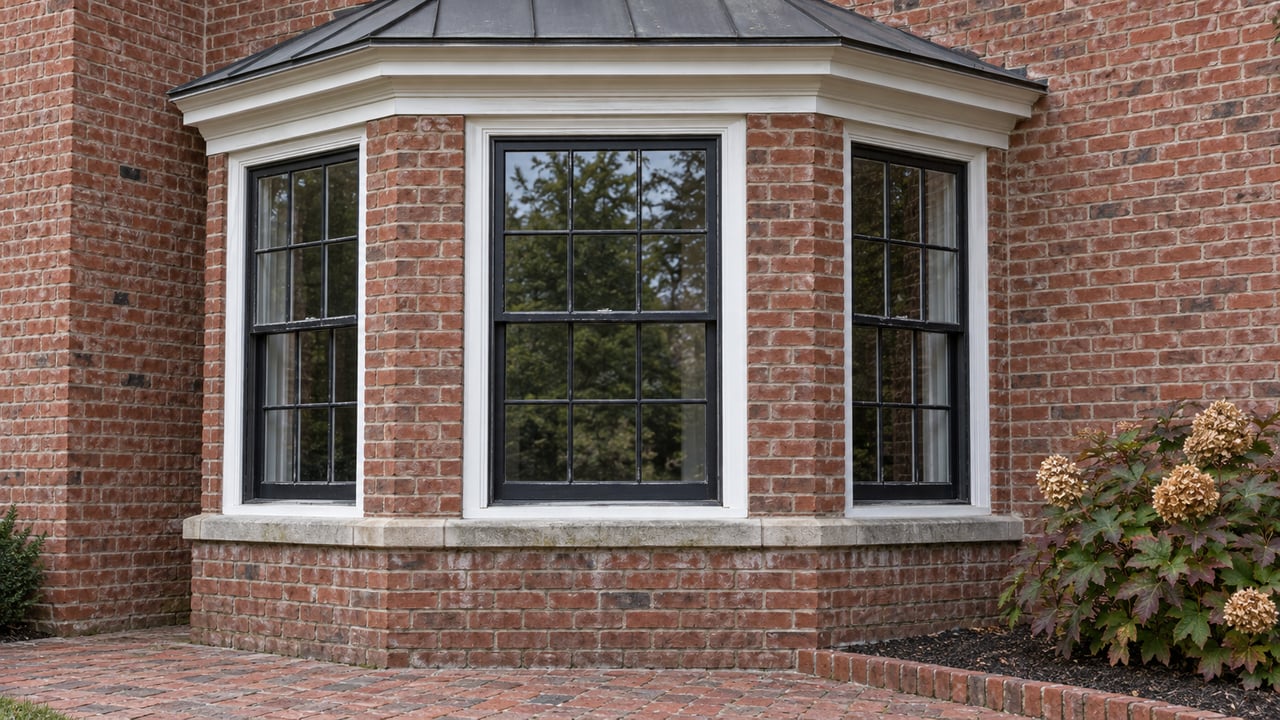
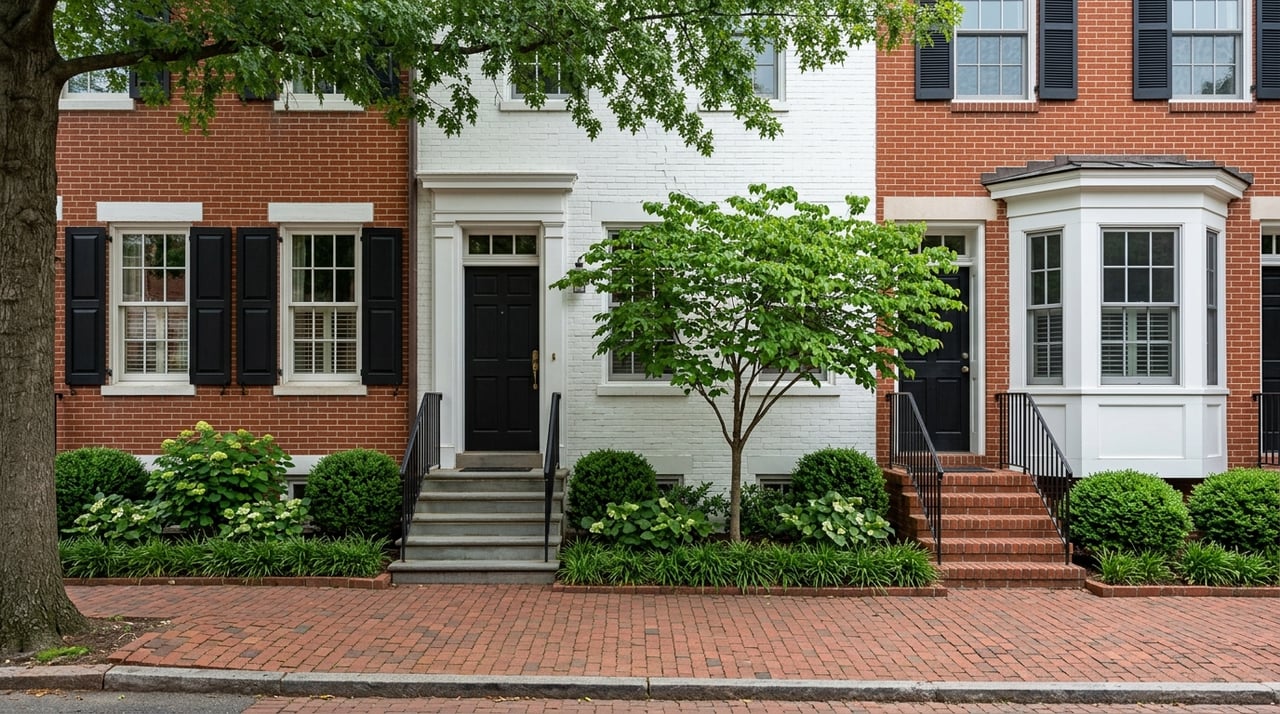
The housing stock here is one of the neighborhood’s biggest draws. You will find brick row homes, detached townhouses, duplexes, small apartment buildings, and a mix of small commercial and civic buildings woven into the district.
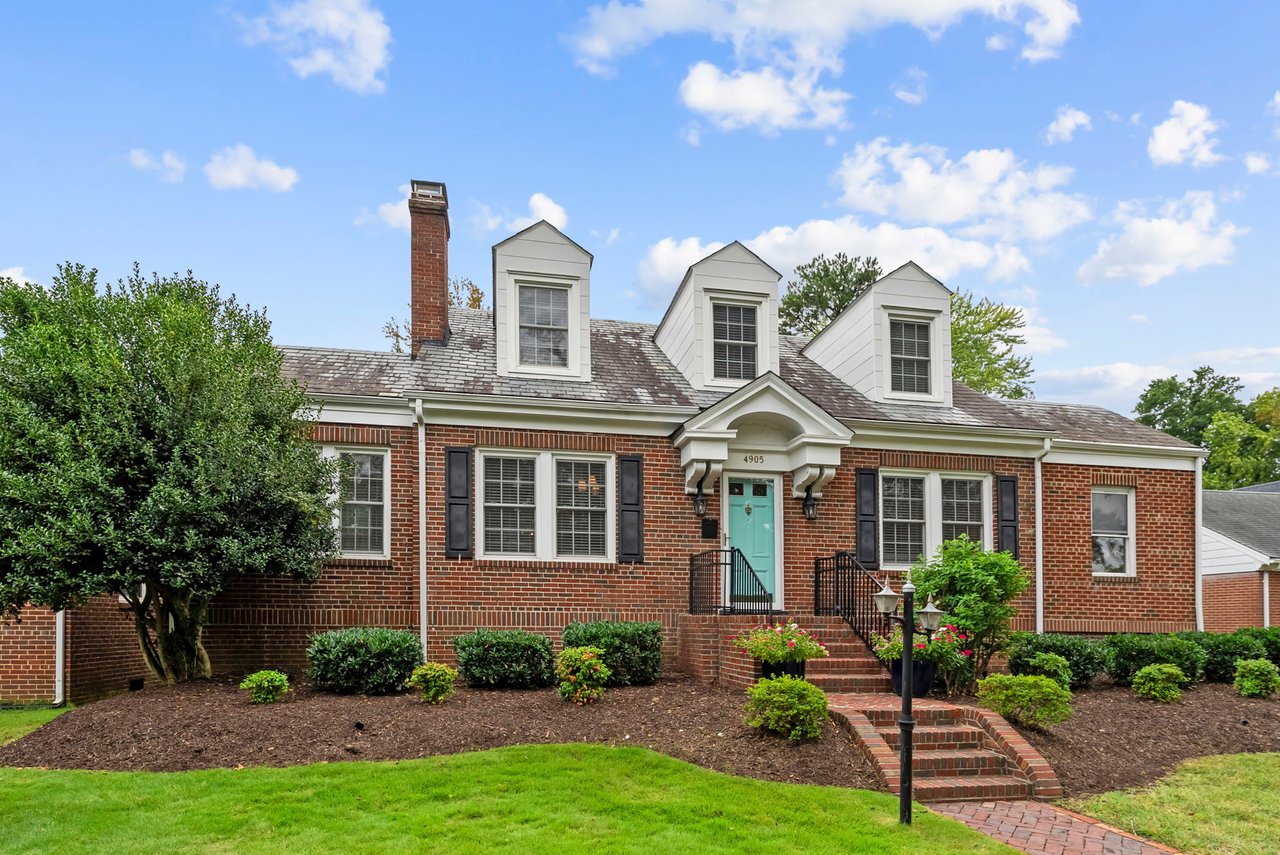
Architectural styles commonly include Queen Anne, Romanesque Revival, Colonial Revival, Craftsman, Mediterranean Revival, and Tudor Revival. Much of the contributing housing dates from about 1910 to 1930, which gives the neighborhood a consistent historic character.
That character is part of the appeal, but it also comes with practical implications. Older homes can offer strong design details and lasting materials, yet buyers should also be ready to evaluate condition, upkeep, and renovation scope carefully.
What Renovation Rules Mean for You
The Museum District is a design overlay area. Exterior changes and new construction are reviewed for compatibility with the neighborhood’s character by the City of Richmond Urban Design Committee.
If you love the idea of updating a historic property, this does not mean you cannot make changes. It does mean you should expect more preservation oversight than you might find in a newer neighborhood, especially for exterior work that affects how the home presents from the street.
For buyers, this makes early planning especially important. If you are considering a home because of its renovation potential, it helps to understand both the property’s condition and the review process before you commit.
Home Prices and Budget Reality
The Museum District sits in Richmond’s middle-to-upper price tier based on current public market data. Redfin reported a March 2026 median sale price of $515,000, while Realtor.com reported a median list price of $510,000.
Zillow’s home value index for the neighborhood was $619,550 as of March 31, 2026, up 3.7% year over year. Recent sold examples reported by Redfin ranged from a $205,000 one-bedroom condo to a $1.3 million detached home, which shows how much pricing can vary by size, condition, and property type.
That spread matters if you are shopping here. Entry points do exist, but many homes command a premium because of location, architecture, and neighborhood demand.
Is the Market Competitive?
In short, yes. Redfin describes the Museum District market as very competitive.
Redfin reported median days on market of 45, while Realtor.com said homes typically close at about 98% of list price. Realtor.com also reported 22 properties for sale, and Zillow reported 13 homes for sale in late March 2026, which points to limited inventory.
For buyers, that means preparation matters. You will want a clear budget, realistic expectations, and a good understanding of where you can be flexible on size, updates, or housing type.
Property Taxes to Factor In
When you build your monthly cost picture, remember to include local real estate taxes. The City of Richmond currently lists a real estate tax rate of $1.20 per $100 of assessed value.
That does not tell you your full housing cost on its own, but it is an important line item when comparing this neighborhood to other parts of the region. In an area where price points can rise quickly, small budgeting details matter.
Museums Are Part of Daily Life
The Museum District gets its name honestly. The Virginia Museum of Fine Arts at 200 N. Arthur Ashe Boulevard and the Virginia Museum of History & Culture at 428 N. Arthur Ashe Boulevard are central to the neighborhood’s identity.
VMFA offers free general admission to its permanent collection galleries and is open 365 days a year. VMHC is open daily from 10 a.m. to 5 p.m., charges $15 for adults, offers free admission for EBT and SNAP cardholders, and includes a free research library.
For residents, these are not just occasional destinations. They shape the feel of the neighborhood and contribute to a sense that culture is part of everyday life, not something you drive across town to reach.
Everyday Errands and Dining Nearby
Convenience is a major plus here. Nearby grocery options include Ellwood Thompson’s Local Market, Kroger Carytown, Whole Foods Market, and Trader Joe’s.
For coffee and casual dining, Richmond Region Tourism highlights Black Hand Coffee, Truckle Cheesemongers, North End Juice Co., Akida, Chiocca’s, and The Stables as area stops. The Virginia Museum of History & Culture also has Commonwealth Café for quick grab-and-go food.
Carytown sits immediately next to the Museum District and adds another layer of shopping and dining options. In practical terms, many daily errands are likely to happen in or near Carytown and along the Broad Street corridor.
Walkability, Bikes, and Transit
If you want a neighborhood where you can leave the car parked more often, the Museum District stands out. Redfin rates it 89 out of 100 for walkability and 80 out of 100 for bikeability.
Public transit adds another layer of flexibility. GRTC buses run daily from 5 a.m. to 1 a.m., and Route 5 serves the Museum District, Carytown, VCU, and Downtown Richmond. Route 78 serves Carytown, Maymont, Randolph, VCU, and Downtown Richmond, while Route 77 serves VMFA with a stop on Grove Avenue.
That combination supports a more connected routine. Whether you are commuting, running errands, or meeting friends nearby, the neighborhood offers multiple ways to get around.
Who the Museum District Fits Best
This neighborhood is usually a strong fit for buyers who care about character, central location, and a walkable lifestyle. If you enjoy older architecture, nearby cultural institutions, and easy access to restaurants and shops, the Museum District checks many boxes.
It can also appeal to downsizers, professionals, and buyers who want a home with a sense of place. If your priorities lean toward neighborhood identity and everyday convenience, this area has a lot to offer.
When Another Area May Be Better
The Museum District is not the right answer for everyone. If you want new construction, a larger yard, or the freedom to make exterior changes without additional design review, you may feel limited here.
You may also need to look closely at your renovation tolerance. Historic homes can be rewarding, but they often require a sharper eye on condition, maintenance, and the true scope of future updates.
How to Decide With Confidence
A smart move here starts with matching the neighborhood to your real lifestyle, not just your wish list. Think about how often you want to walk to restaurants, museums, or groceries, how much space you truly need, and whether you are comfortable with an older home and overlay-review considerations.
It also helps to look past headline prices. In the Museum District, value can shift quickly based on block, home type, condition, and renovation history, so a neighborhood-specific strategy matters.
If you are comparing the Museum District to The Fan, Near West End, or nearby suburban options, the right answer usually comes down to how you want to live each day. If you want help weighing character, condition, and pricing with a local perspective, Gary Martin can help you make a confident Richmond move.
FAQs
Is the Museum District in Richmond or Henrico County?
- The Museum District is a neighborhood in the City of Richmond, not Henrico County.
What kinds of homes are common in Richmond’s Museum District?
- Common housing types include brick row homes, detached townhouses, duplexes, small apartment buildings, and homes built largely between 1910 and 1930 in several historic architectural styles.
What is the price range for homes in the Museum District?
- Recent public market data showed a wide range, from a $205,000 one-bedroom condo to a $1.3 million detached home, with median pricing around the low-to-mid $500,000s depending on the source.
Is Richmond’s Museum District walkable?
- Yes. Redfin rates the neighborhood 89 out of 100 for walkability and 80 out of 100 for bikeability.
Are there renovation rules in the Museum District?
- Yes. Because the area is a design overlay district, exterior changes and new construction are reviewed for compatibility with neighborhood character by the City of Richmond Urban Design Committee.
What amenities are near the Museum District in Richmond?
- Key nearby amenities include the Virginia Museum of Fine Arts, the Virginia Museum of History & Culture, Carytown, several grocery stores, coffee shops, and dining spots, along with GRTC bus service.