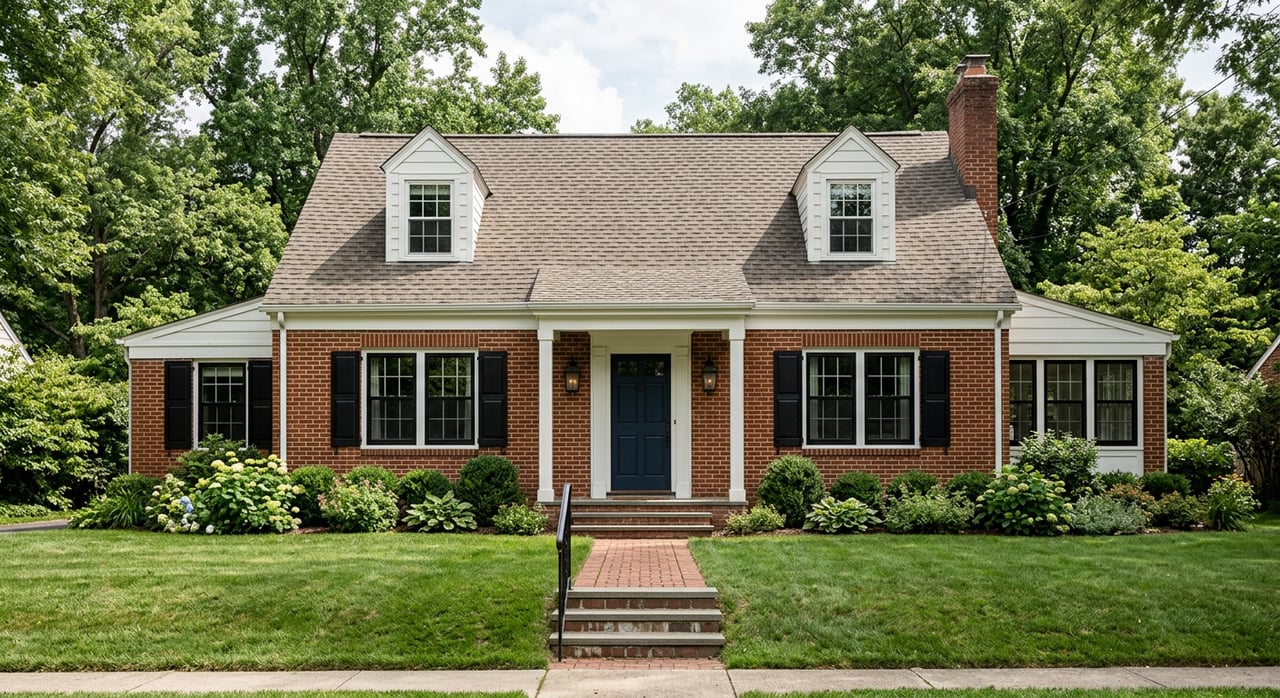
If you love the character of Richmond’s older homes but want today’s comforts, the Near West End gives you both. You can stroll to the Virginia Museum of Fine Arts, pop over to Carytown, or enjoy a quiet, tree‑lined block near Windsor Farms, all while living in a home that blends original charm with modern updates. In this guide, you’ll learn what “updated” usually means here, what you’ll see across different streets, how renovations and permits work in historic areas, and how the Near West End compares with nearby Henrico suburbs. Let’s dive in.
Where the Near West End sits
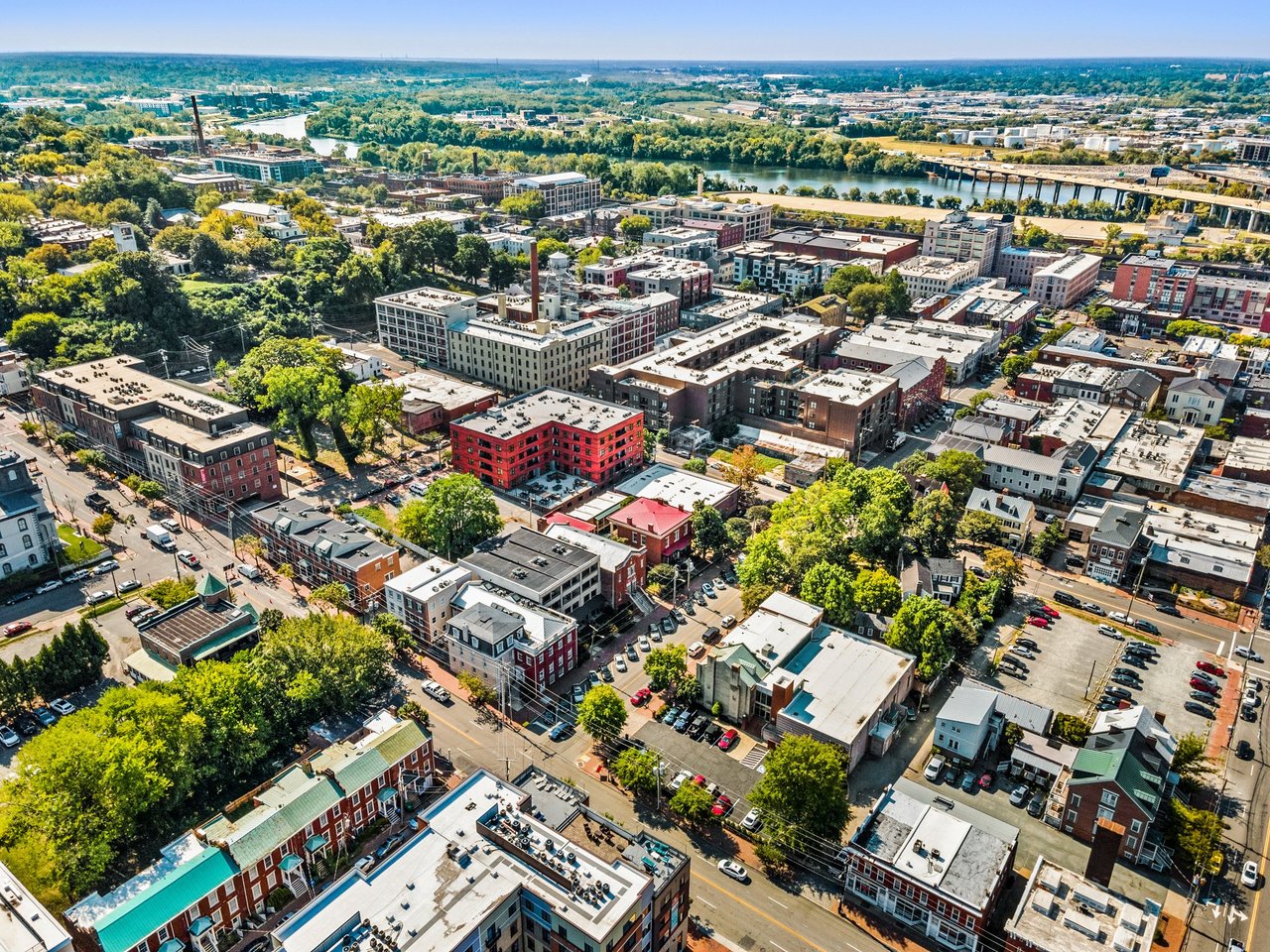
The Near West End stretches from the western edge of Carytown and the Museum District out toward the Richmond–Henrico line, with Windsor Farms, Westhampton, and the Libbie–Grove corridor as key anchors. The area centers around culture and walkability, especially the museum corridor anchored by the Virginia Museum of Fine Arts and the boutiques and restaurants of Carytown. On the western side, Windsor Farms, the University of Richmond, and the Country Club of Virginia shape a quieter, park‑like feel with larger lots. Much of the city side falls within planning areas that tie into Richmond’s long‑range goals, which can affect infill, zoning, and permit pathways documented in Richmond’s planning legislation archives.
What you’ll see on each block
Museum District fabric
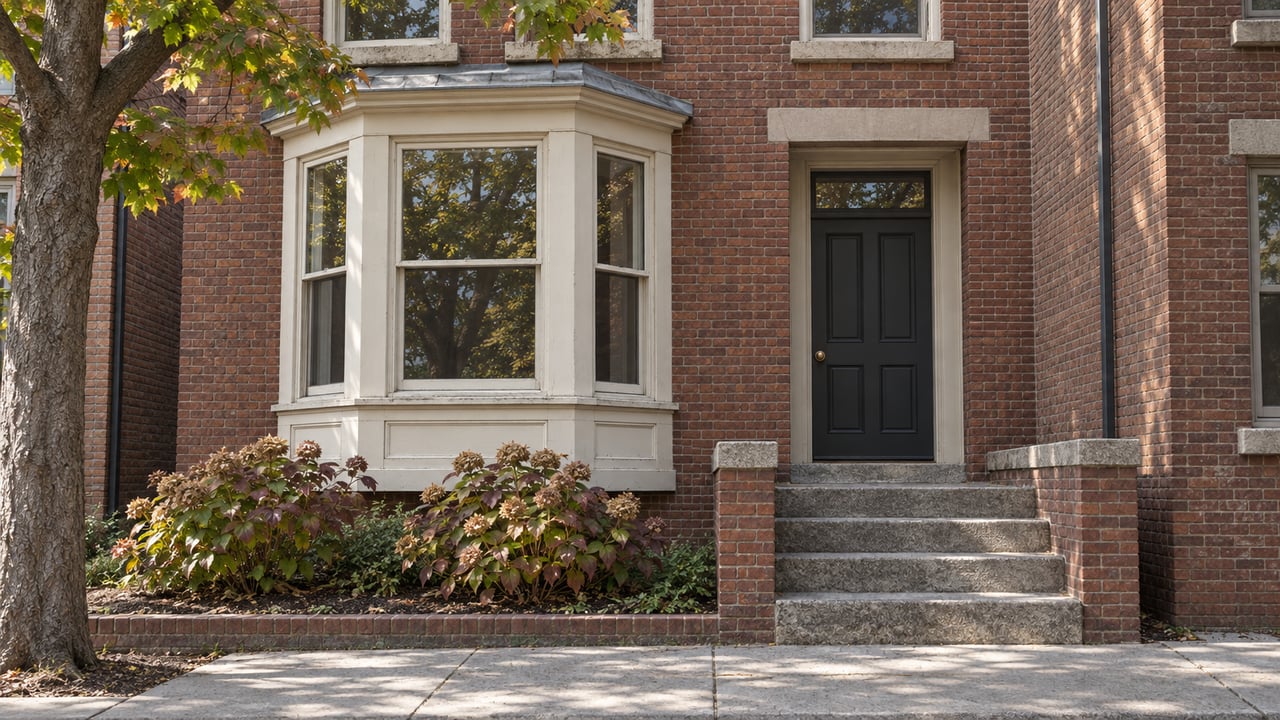
In the Museum District and West of the Boulevard, you’ll find late‑19th and early‑20th century attached and semi‑detached brick townhouses, most built between about 1895 and 1943. Styles include Tudor, Craftsman, Mediterranean, and Colonial forms with front porches and consistent streetscapes. The district’s architectural character and preservation history are outlined in the Virginia Department of Historic Resources documentation.
Windsor Farms and Westhampton
Windsor Farms is a 1920s planned neighborhood inspired by traditional English villages, with larger lots and high‑style Colonial Revival, Tudor, Georgian, and Cape Cod homes. Landmark properties like Virginia House and Agecroft Hall reinforce the area’s prestige and historic roots. You can explore the neighborhood’s heritage through resources on Virginia House.
Henrico edge and infill
Just across the city line into Henrico, the housing stock shifts toward mid‑century ranches, split‑levels, and newer subdivisions. These homes often offer larger footprints and newer systems, with fewer original historic details. In between, you’ll see smaller cottages and Cape Cods, plus pockets of new infill townhomes that deliver modern plans and low maintenance near walkable corridors. Recent reporting highlights replacement infill projects in the Libbie–Grove corridor, such as the new townhomes documented by Center Creek Homes.
Floorplans and how they live
Brick Colonial plans
Center‑hall or side‑hall Colonials offer formal living and dining rooms with original compartmentalized kitchens. Many updates open walls to create a larger kitchen and family area. Expect 2 to 4 bedrooms upstairs and a basement that might be unfinished or partially finished depending on the lot’s grade. High‑style local examples are part of the Windsor Farms fabric highlighted in Virginia House resources.
Museum District townhouses
Townhouses on narrow lots stack living, dining, and kitchen spaces vertically, often with a welcoming porch or stoop and a small yard. Buyers usually expect the historic footprint to remain while interiors are modernized. The district’s typical forms and materials are described in the state historic register entry.
Bungalows and Cape Cods
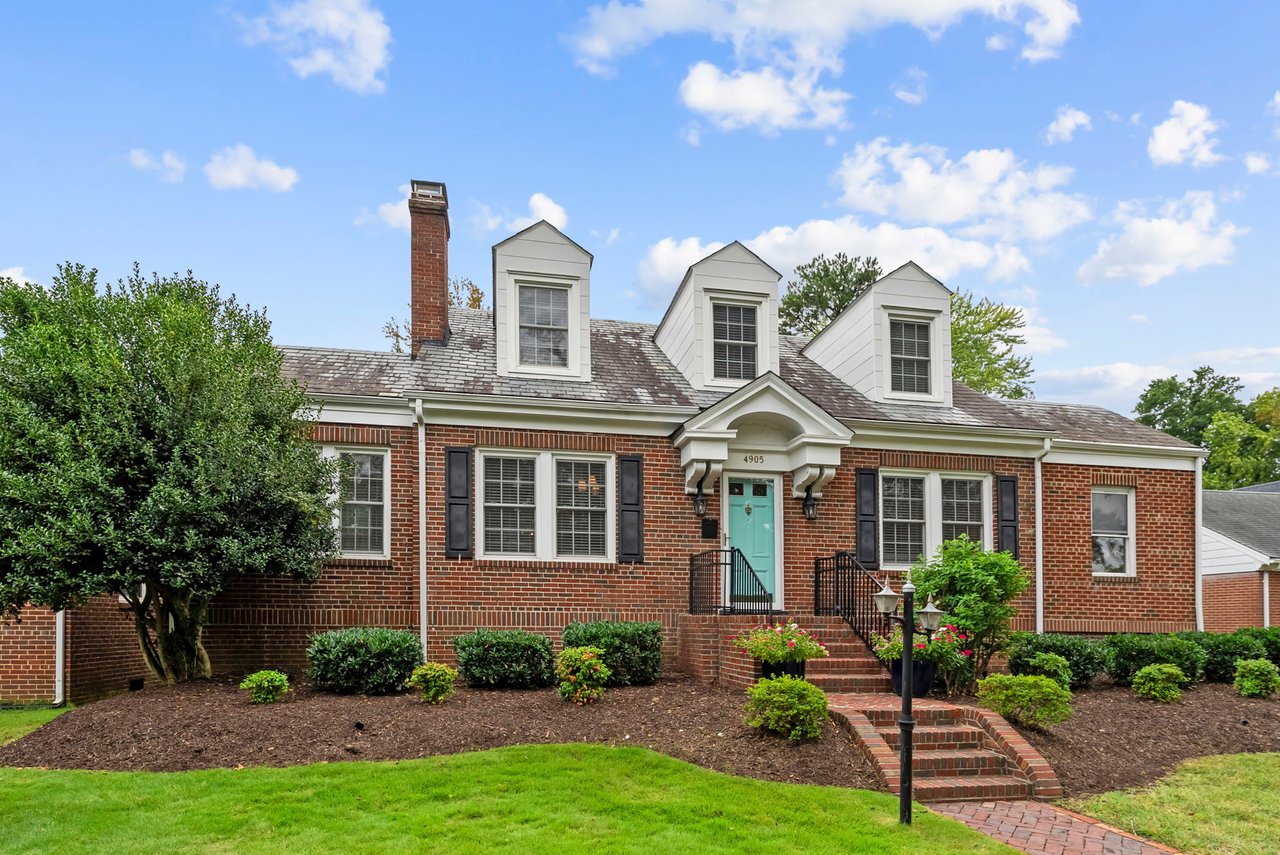
Near the Carytown edge and in scattered pockets, you’ll find bungalows and Cape Cod cottages. These are one or one‑and‑a‑half stories, with compact footprints, 2 to 3 bedrooms, and generous porches. They adapt well to targeted kitchen and bath updates while keeping original floors and trim, a pattern that fits within the Museum District’s preservation context.
New infill townhomes
Developers are adding three‑story townhomes with attached garages, rooftop terraces, and optional elevators in higher‑end builds. These homes aim for open plans, 3 to 4 bedrooms, and low‑maintenance living close to restaurants and museums. For context, see coverage of Libbie–Grove infill townhomes.
Renovation scope by plan
- Center‑hall Colonials often need structural openings to create a true open‑plan kitchen and family room.
- Townhouses can be modernized inside their envelope with strategic wall moves, streamlined kitchens, and upgraded baths.
- Bungalows and capes respond well to kitchen refreshes and clever dormer or bath additions without major footprint changes.
- New infill already delivers open layouts, so buyer focus shifts to finishes and outdoor space.
What “updated” means here
In Near West End listings, “updated” usually means a mix of finish and systems work. Here is what buyers often expect:
- Kitchen modernization. New or painted cabinets, an island or peninsula, quartz or stone counters, stainless appliances, and fresh flooring. Kitchens lead buyer impressions and often return strong value according to Kiplinger’s home‑upgrade guidance.
- Bathroom upgrades. New tile, frameless showers, modern vanities, and sometimes reconfigured plumbing for an en‑suite primary bath. See national trends in the 2024 remodeling vs. value overview.
- Mechanical and systems. Replaced HVAC with higher efficiency units, upgraded electrical service to around 200 amps, and repiping where older galvanized lines exist. Buyers view these as risk reducers, which aligns with national data on common project types from Fixr’s home improvement spending research.
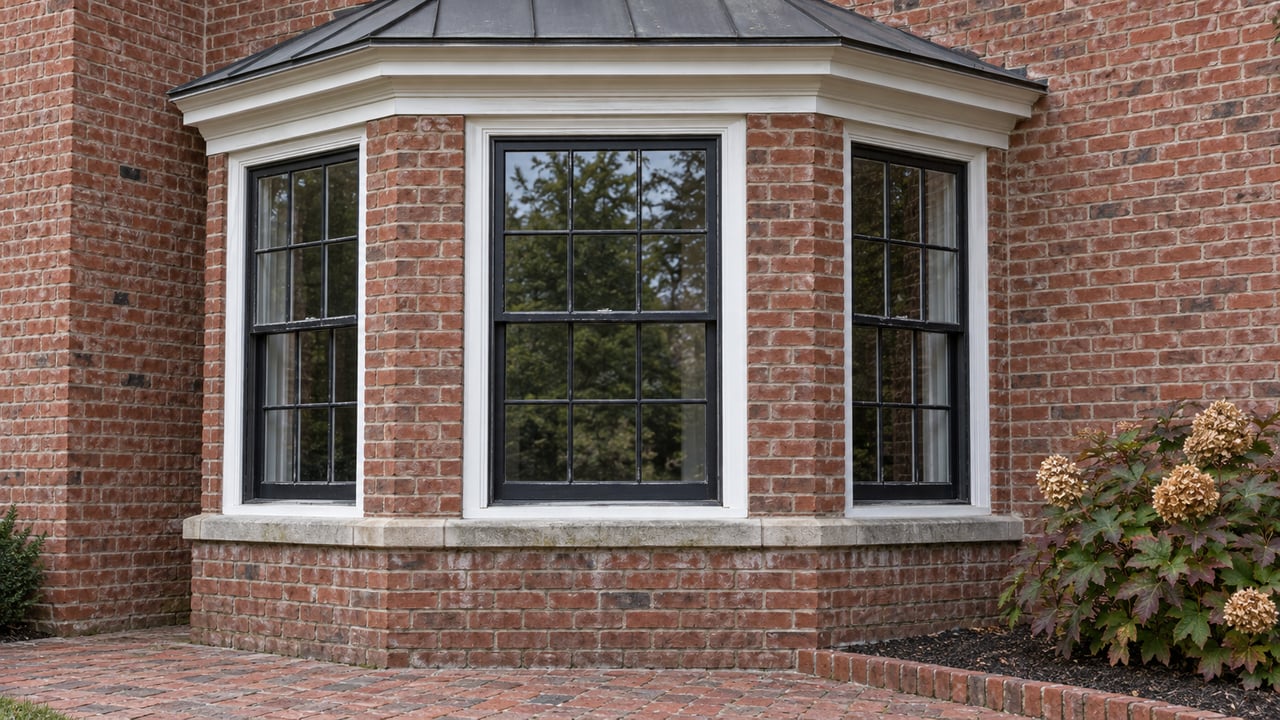
- Structural and envelope work. New roof, replaced windows for efficiency, porch restoration, and drainage or foundation repairs on older city lots. In historic areas, owners often preserve original floors, millwork, fireplace surrounds, and exterior brick while refreshing systems. The state historic district narrative reflects this balance.
- Layout and lifestyle changes. Open sightlines between kitchen and family areas, larger islands, expanded primary suites, and finished lower levels for media, play, or work‑from‑home. Local infill trends favor these modern living patterns, as seen in Libbie–Grove townhome coverage.
Red flags to verify
- Were structural changes and major systems replacements permitted and inspected? Ask for documentation.
- Dates and receipts for roof, HVAC, electrical panel, and plumbing work.
- What original features were preserved, and how were they restored? Request before‑and‑after photos.
- Any foundation or moisture‑control work, especially on sloped city lots.
Renovations and ROI context
Sellers often focus on midrange kitchen and bath projects because they deliver visible impact without over‑capitalizing. National data show these categories can offer stronger resale recapture, which is why you see them so often in Near West End listings. For a helpful overview, review Kiplinger’s breakdown of upgrades that pay off.
At the neighborhood level, developers pursue small‑scale infill townhomes to meet demand for low‑maintenance living near Carytown and the VMFA. Projects like the Libbie–Grove townhomes are often replacements of older multi‑unit buildings or under‑used parcels, documented in local coverage of these infill efforts. In designated historic areas, exterior changes can face design review, so many owners emphasize interior modernization while preserving façades and streetscape character, consistent with the Museum District’s preservation approach.
Zoning and historic review basics
Parts of the Near West End sit in historic districts where exterior alterations may require design review or additional steps in the city’s permitting chain. That can lengthen timelines for windows, porches, or additions. Interior updates usually move faster, although electrical, plumbing, and structural work still need permits and inspections. You can explore how the city frames this area in planning documents archived online.
Near West End vs. Henrico suburbs
When you compare the Near West End to nearby Henrico neighborhoods, a few themes stand out:
- Location and walkability. The Museum District and Carytown edge offer strong walkability to restaurants, shops, and the VMFA’s cultural corridor. Windsor Farms offers a quieter, historic setting with convenient access to the same anchors.
- Lot size and age. City blocks tend to have smaller lots and older homes with more intact historic details. Henrico areas often deliver larger yards and newer systems for the price.
- Taxes and jurisdictions. Henrico County and the City of Richmond are separate tax and school jurisdictions. In 2025, local reporting noted Henrico’s real estate tax rate at about $0.83 per $100 assessed value after a reduction, while Richmond’s city rate was reported near $1.20 per $100. Always confirm the current year’s rate. See the Henrico rate change coverage.
- Preservation and renovation. Historic city homes may require careful planning for exterior changes and more targeted restoration, while suburban stock can mean different upgrade priorities for finishes and landscaping. The Museum District register entry outlines preservation context.
A quick decision framework
- Prioritize walkability and an urban lifestyle. Focus on the Museum District and the Carytown edge.
- Want historic charm with larger lots. Look at Windsor Farms and Westhampton pockets.
- Need newer construction, larger yards, and potentially lower taxes. Consider nearby Henrico neighborhoods.
How to evaluate an “updated” listing
Use this checklist during showings or when reviewing disclosures:
- Permit history and final inspections for structural, electrical, plumbing, and HVAC work.
- Age or receipts for roof, HVAC, electrical panel, and any repiping.
- Evidence that original interior features were preserved, plus any restoration documentation.
- Drainage, foundation, and moisture‑control details for older lots.
- Whether the property is inside a local historic district or subject to architectural rules.
- Tax and school jurisdiction, plus how taxes affect your total monthly cost.
- Neighborhood change signals, such as active infill permits and nearby townhome projects that can shape future comparables. For example, see Libbie–Grove townhome reporting.
Buying or selling with a builder’s eye
Choosing a Near West End home is about lifestyle and condition. You want original floors and millwork that tell a story, paired with systems and layouts that work day to day. Small choices, like whether a wall opening was engineered and permitted, make a big difference in value, comfort, and future resale.
If you are selling, targeted kitchen and bath updates, polished staging, and precise storytelling help your home compete against both in‑town historic listings and low‑maintenance Henrico options. If you are buying, a clear read on structure, systems, and potential permit paths lets you budget confidently and move fast on the right property.
When you want a grounded plan that blends neighborhood insight with construction know‑how, connect with Gary Martin. Let’s talk about your Richmond home.
FAQs
What types of historic homes are common in Richmond’s Near West End?
- You will see brick townhouses in the Museum District, 1920s Colonial and Tudor styles in Windsor Farms, and cottages or capes near Carytown, all documented in the state historic register entry.
What do buyers mean by an “updated” Near West End home?
- It usually means modern kitchens and baths, upgraded HVAC and electrical, roof and window improvements, and selective wall openings for better flow, with ROI patterns similar to those noted in Kiplinger’s upgrade guide.
How do historic districts affect exterior renovations in the Near West End?
- Some areas require design review for exterior changes, which can extend timelines, so many owners focus updates inside while preserving façades, consistent with the Museum District’s preservation context.
How does the Near West End compare with nearby Henrico neighborhoods on taxes?
- Jurisdictions differ. Local reporting cited Henrico’s 2025 rate near $0.83 per $100 after a reduction and Richmond’s city rate near $1.20 per $100, with buyers advised to confirm current rates using recent coverage.
What floorplans adapt best to open‑concept living in Richmond’s Near West End?
- Townhouses and bungalows often adapt with fewer structural moves, while center‑hall Colonials can require engineered openings to connect kitchens and family rooms, a common pattern alongside local infill trends.
Are new townhomes available near Libbie–Grove and Carytown?
- Yes. Select infill sites are replacing older buildings with three‑story, low‑maintenance townhomes near shops and museums, as shown in Libbie–Grove infill reporting.