Buying your first home in the Fan comes with big questions. The neighborhood’s historic rowhouses and urban energy are exciting, but price points and renovation needs can make financing feel complex. You want clear choices that fit your budget and a plan that keeps your cash-to-close manageable.
This guide walks you through first-time buyer loans that work in the Fan District, how Virginia Housing assistance can help, what to expect with historic homes, and realistic examples at Fan price points. You will also get an action checklist to move from browsing to keys in hand. Let’s dive in.
First-time loan options in the Fan
FHA loans: flexible credit, low down
FHA loans are insured by the Federal Housing Administration and are popular with buyers building credit. You can put as little as 3.5% down with qualifying credit history. HUD guidelines allow many buyers with 580+ credit scores to qualify, though lenders may set higher minimums. You can review FHA basics on HUD’s Buying a Home page at the HUD homebuying resource.
Pros include flexible credit underwriting and a low down payment. Cons include an upfront and annual mortgage insurance premium that stays for the life of the loan unless you later refinance into a conventional loan.
Conventional with 3% down: HomeReady and Home Possible
Conforming conventional mortgages backed by Fannie Mae and Freddie Mac offer low down payment options for many first-time and moderate-income buyers. Programs such as Fannie Mae HomeReady and Freddie Mac Home Possible allow down payments as low as 3% for eligible borrowers. Many lenders look for a credit score around 620 or higher for these options.
Pros include the ability to remove private mortgage insurance when you reach 20% equity and often lower insurance costs than FHA if your credit is strong. Cons include stricter credit and debt-to-income rules, plus income or property-type limits in some cases.
VA loans: a strong option if you are eligible
If you are an eligible veteran, active-duty service member, or certain surviving spouse, VA loans can be a powerful path to homeownership. VA loans often allow zero down and have no monthly mortgage insurance. Lenders commonly use a 620 credit score as a guideline even though VA does not set a minimum. Learn more on the VA home loan page.
Pros include no down payment option, competitive rates, and no monthly mortgage insurance. Cons include a funding fee and occupancy rules. VA entitlement and county loan considerations matter at higher Fan price points.
USDA: generally not a Fan District fit
USDA loans provide zero-down financing in eligible rural areas. The Fan is an urban neighborhood, so USDA financing usually does not apply here. If you are open to homes outside the city, a lender can check eligibility maps.
Virginia Housing programs for first-time buyers
Virginia Housing (formerly VHDA) offers mortgage products and down payment assistance to qualifying Virginia buyers. These can include second mortgages or forgivable assistance and often require homebuyer education. Program terms, income limits, and purchase price caps change, so always verify current details on the Virginia Housing homebuyer page.
Down payment help in Richmond
How assistance typically works
Down payment and closing cost help is delivered in a few ways:
- Grants that do not need to be repaid.
- Forgivable second mortgages that are forgiven over time if you live in the home as your primary residence for a set period.
- Deferred second mortgages that are repaid when you sell, refinance, or reach the end of the term.
Some programs cover closing costs, others cover down payment, and some cover both. Read the fine print on occupancy requirements and timing.
Statewide support via Virginia Housing
Virginia Housing is the state’s primary source for first-time buyer assistance. You can explore mortgage options, education classes, and current assistance offerings on the Virginia Housing homebuyer page. Be sure to check definitions of “first-time buyer,” current assistance amounts, and participating lenders.
City and nonprofit resources
Local programs can change year to year. Start with the City’s housing department for updates on city-backed assistance or counseling. The City of Richmond Housing & Community Development page lists housing initiatives and contacts. The Richmond Redevelopment & Housing Authority and nonprofits like Habitat for Humanity Greater Richmond also provide education, counseling, and in some cases DPA pathways. Availability and amounts vary, so reach out early.
Typical eligibility rules
Most assistance programs include:
- Income limits based on area median income and household size.
- Purchase price caps by program.
- Minimum buyer contribution and credit requirements.
- Completion of homebuyer education or counseling.
- A primary residence requirement for a set period.
Can these loans fit Fan price points?
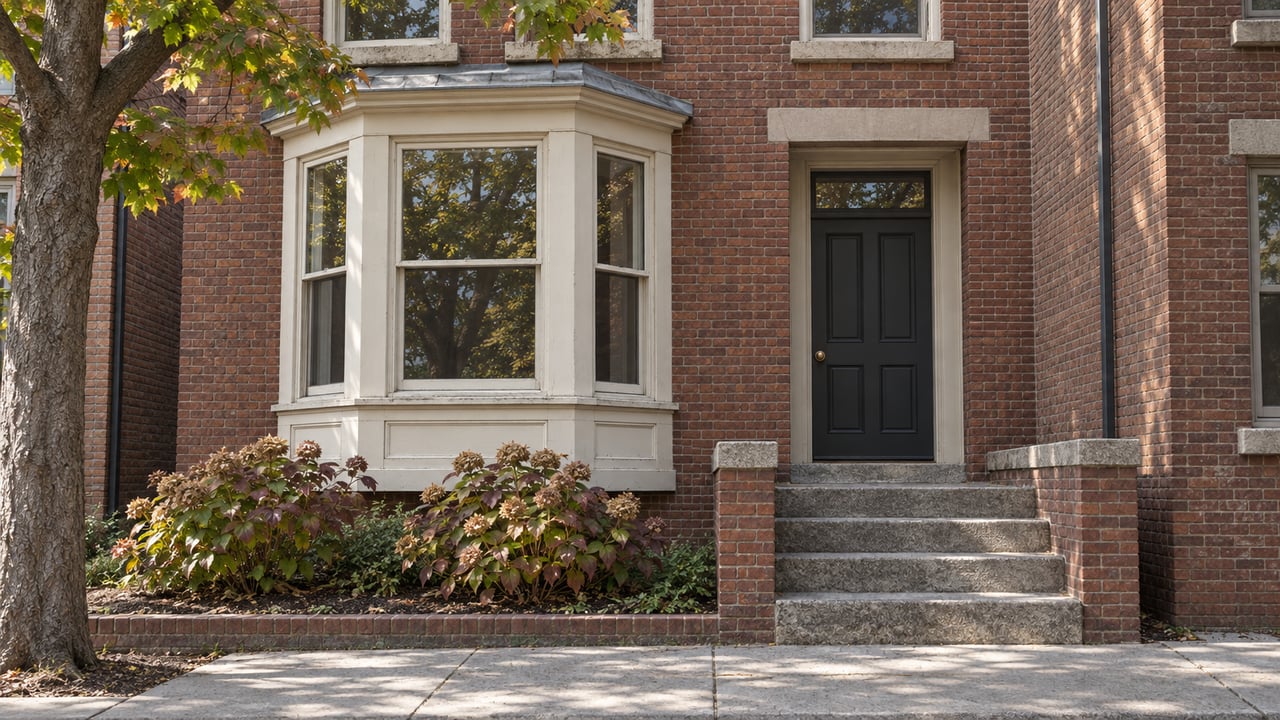
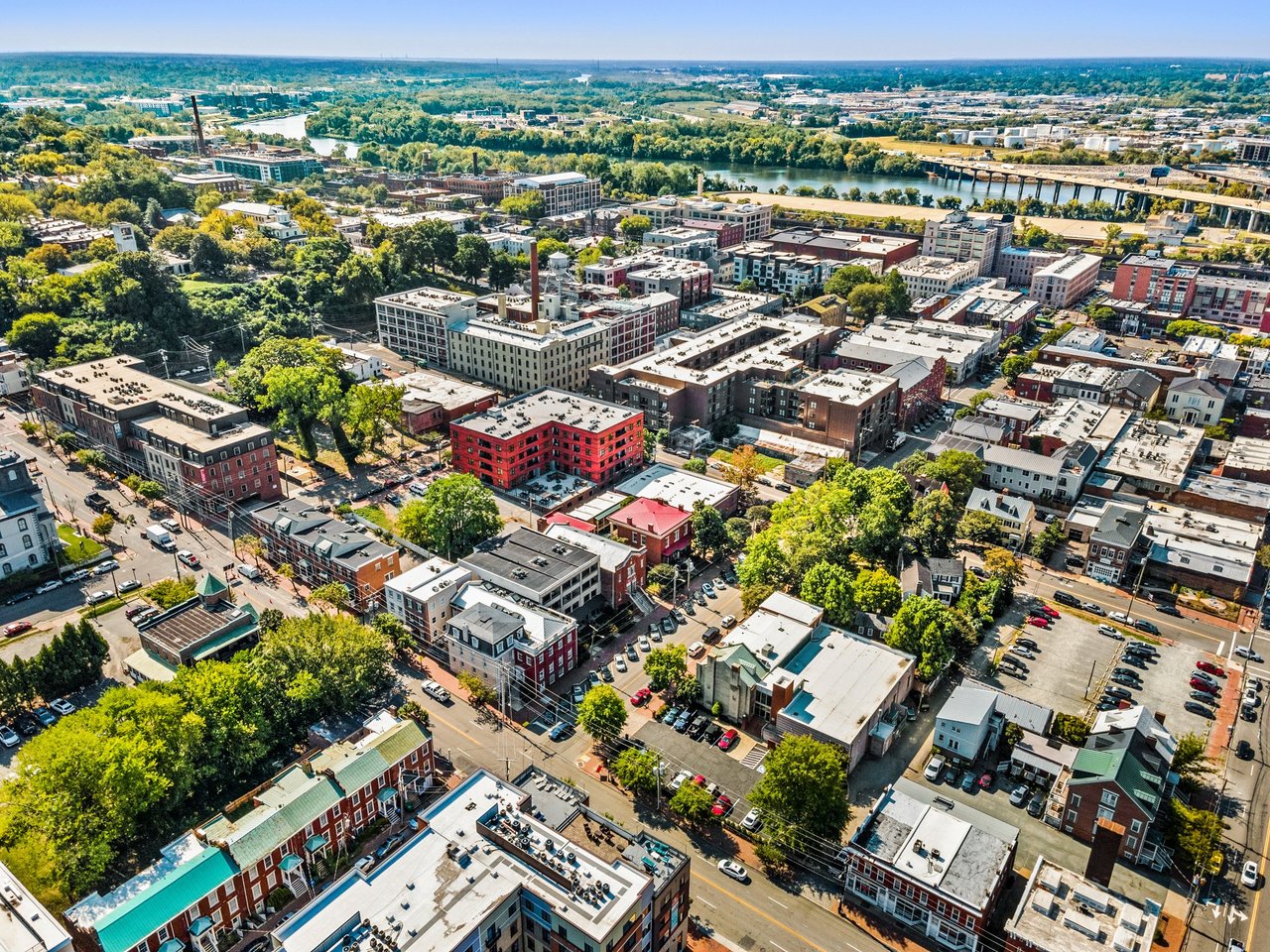
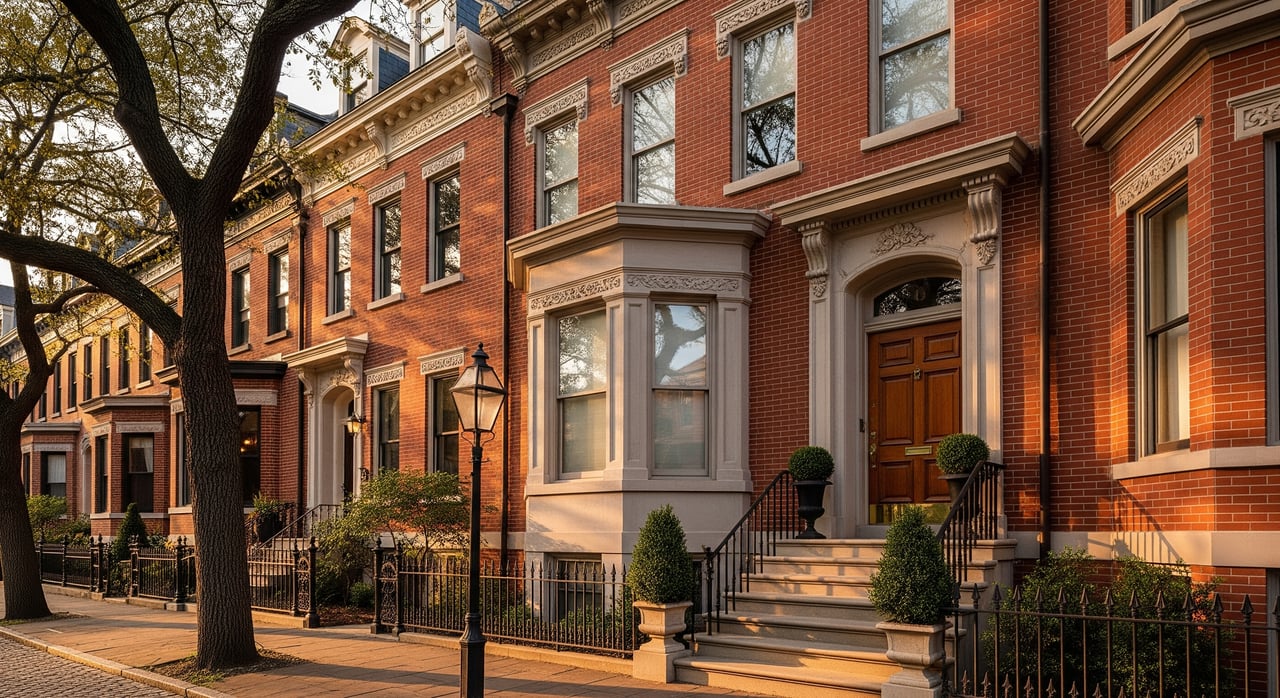
The Fan District is a historic, urban neighborhood with attached rowhouses, renovated properties, and some larger townhomes. Prices tend to sit above the broader Richmond median, with wide variation based on size and condition. Because market conditions change quickly, confirm current sold data and listings before you commit.
Below are illustrative examples to show how cash-to-close can work. Always verify loan limits, current interest rates, and DPA availability with your lender.
Example A: Entry-level Fan rowhouse at $350,000 (illustrative)
- FHA with 3.5% down: about $12,250 down.
- Conventional with 3% down: about $10,500 down.
- VA for eligible buyers: $0 down.
- Closing costs often range from 2% to 5% of the price, or roughly $7,000 to $17,500.
Total cash at closing is the down payment plus closing costs. Some DPA can reduce part of this total.
Example B: Renovated Fan home at $475,000 (illustrative)
- FHA with 3.5% down: about $16,625 down.
- Conventional with 3% down: about $14,250 down.
- VA for eligible buyers: $0 down.
- Closing costs at 2% to 5%: about $9,500 to $23,750.
DPA amounts may or may not fully cover needs at this tier, so plan for some buyer funds or a negotiated seller credit.
Example C: Larger or upgraded property at $700,000 (illustrative)
- FHA loan limits may restrict FHA use at this price. Check current limits for the Richmond area on HUD’s FHA mortgage limits search.
- Conventional with 3% down: about $21,000 down.
- VA for eligible buyers: potentially $0 down, subject to entitlement and lender guidelines.
- Closing costs at 2% to 5%: about $14,000 to $35,000.
At higher price points, income and purchase price caps can limit DPA use. Work with your lender early if you plan to combine assistance with a conventional or VA loan.
What to watch with historic Fan homes
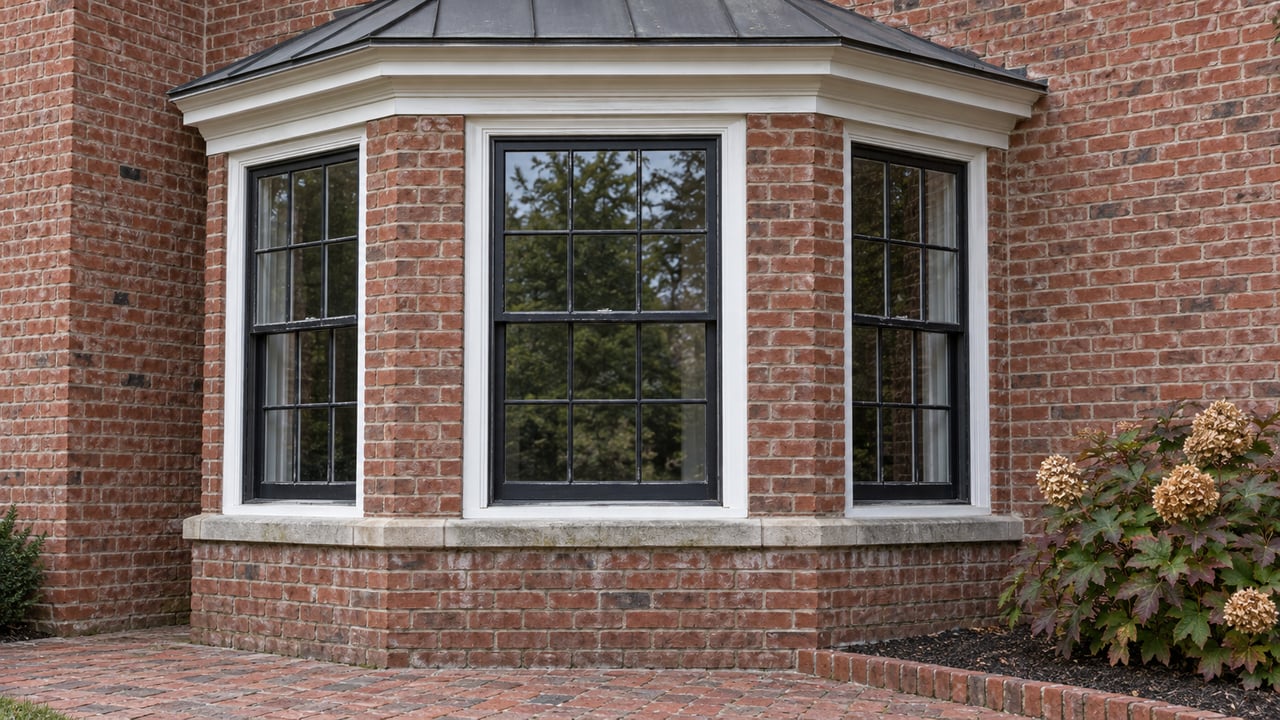
Historic homes are a joy to live in, but they bring special considerations during financing and appraisal.
- Property condition and appraisals. Older homes may have items that need repair. FHA and some conventional appraisals can require repairs before closing. If the home needs work, ask your lender about renovation loan options such as FHA 203(k) or similar conventional renovation products. These add steps but can streamline improvements.
- Insurance and taxes. Maintenance and insurance costs can be higher for older homes. Build these into your budget and debt-to-income planning.
- Historic district approvals. Exterior changes can require approvals that add time and cost. Plan your renovation timeline and consult the City’s historic guidelines before you commit to major exterior work.
Common trade-offs to weigh
- Down payment vs monthly payment. Putting more money down lowers your monthly payment and mortgage insurance. Smaller down payments preserve savings but increase monthly costs.
- Program choice vs interest rate. If your credit is strong, a conventional loan might lower long-term insurance costs compared with FHA. If you need credit flexibility or a lower upfront cash requirement, FHA can be a fit.
- Renovation budget vs purchase price. Older homes can hide repairs. You can pursue renovation financing or keep a healthy reserve for immediate projects.
Your step-by-step checklist
Preparation
- Check current Fan listings to set a realistic budget and align your wish list with market prices.
- Review your credit across all three bureaus and correct any errors.
- Estimate a monthly payment range that fits your lifestyle. You can explore scenarios with the CFPB’s mortgage tools.
Mortgage and assistance research
- Get pre-approval quotes from two to three lenders, including at least one Virginia Housing participating lender if you plan to use state programs. Ask about rates, APR, points, minimum credit and DTI, mortgage insurance, and program limits for FHA, VA, and conventional.
- Confirm property eligibility for your chosen loan, including appraisal, condo or rowhouse rules, and any repair requirements.
- Check the Virginia Housing homebuyer page and the City of Richmond Housing & Community Development page for current assistance. Complete required homebuyer education early.
Documents and funds
- Gather pay stubs for the past two to three months, W-2s or 1099s, bank statements, ID, and proof of funds.
- Save for closing costs and reserves. Typical closing costs are 2% to 5% of the purchase price. Assistance may cover part of this.
- If using DPA, submit your application early. Some programs are first come, first served.
House-hunting and offer
- Work with an agent who understands historic condition issues and typical seller expectations in the Fan.
- Budget for inspections and consider secondary evaluations if the home shows signs of deferred maintenance.
- Coordinate timelines for appraisal, DPA reservations, and lender conditions so funds are ready by closing.
Closing and beyond
- Review the terms of any second mortgage or forgivable assistance. Understand occupancy requirements and any resale or recapture rules.
- Keep an emergency fund for repairs. Historic homes reward proactive maintenance.
- Revisit refinance options later to remove FHA mortgage insurance or to lower your rate if conditions change.
Ready to get started in the Fan?
You do not have to navigate loan rules and historic-home questions alone. If you are weighing FHA vs conventional, considering Virginia Housing assistance, or deciding how to budget for an older home’s needs, experienced local guidance makes a real difference. With deep knowledge of the Fan and hands-on construction insight, Gary Martin can help you compare options, spot condition issues early, and write confident offers. Let’s talk about your Richmond home.
FAQs
What credit score do I need for an FHA loan in Richmond?
- HUD allows many buyers with 580+ credit scores to qualify for 3.5% down, but lenders can set higher minimums. Review FHA basics on the HUD homebuying resource.
Can I combine Virginia Housing assistance with a 3% down conventional loan?
- Often yes, if you meet program income and purchase price limits and complete education, but always verify current rules on the Virginia Housing homebuyer page.
Are VA loans competitive for Fan District homes?
- VA loans often offer zero down and no monthly mortgage insurance, which can be competitive at many price points, subject to entitlement and lender guidelines listed on the VA home loan page.
How much should I budget for closing costs in the Fan?
- A common range is 2% to 5% of the purchase price, and some assistance programs can cover part of closing costs depending on eligibility and funding.
Do first-time buyer programs have income limits in Richmond?
- Many do, and some also set purchase price caps and buyer contribution requirements; check current details with Virginia Housing and the City’s housing department.
Will historic-home repairs affect my loan approval?
- They can, because some appraisals and loan programs require certain repairs before closing; ask your lender about renovation options like FHA 203(k) if needed and plan repair timelines accordingly.