Are you weighing a move to Richmond’s River Road corridor and wondering how the commute, amenities, and lifestyle actually feel day to day? You are not alone. Many professionals and downsizers look here for a balance of convenience, nature, and established neighborhoods. In this guide, you will learn how River Road connects to key job centers, where to shop and unwind, what outdoor access looks like, and what to know about housing, schools, and flood risk. Let’s dive in.
Where River Road sits
River Road is an east–west artery along the north bank of the James River on Richmond’s west side. In everyday use, the “River Road corridor” describes the Near West End and West End areas north of the river and west of I‑195, blending parts of the City of Richmond with adjacent Henrico County neighborhoods.
This mixed jurisdiction matters. A given address may sit in Richmond or Henrico, and that affects property taxes, school assignment, zoning, and municipal services. If you are comparing homes, start by confirming the jurisdiction and services through the official sites for the City of Richmond or Henrico County Public Schools.
You will see a mix of established, tree-lined residential streets, institutional anchors like the University of Richmond, private K–12 campuses, and newer suburban development as you head west toward the Short Pump and West Broad commercial hubs.
Commute and transportation
Primary routes
For local east–west travel, River Road itself connects many neighborhoods. To reach downtown, most drivers use I‑195, which ties into I‑64 and I‑95. U.S. 250 (Broad Street), Patterson Avenue, and Cary Street Parkway are major surface routes that feed employment and retail centers across the West End.
Traffic patterns
Expect typical morning and afternoon peaks on I‑195, I‑64, and major arterials. Bridges over the James and interchange ramps can slow at rush hour. Timing and routing matter a lot. Before you buy, run live tests at your actual travel times and compare interstate and surface street options. You can also check VDOT traffic cameras and incident maps for current conditions.
Transit and multimodal
GRTC operates regional bus service, with stronger coverage along high-demand corridors like Broad Street and Monument Avenue. The Pulse BRT runs on Broad Street, and reaching it from many River Road streets often requires a transfer. See the GRTC route map and schedules to plan options.
Cycling and walking are most practical near commercial nodes and the University of Richmond. Many residential sections are car-dependent, and protected bike lanes are not continuous across the entire corridor.
Parking and downtown tips
Most single-family homes include driveways or garages. Downtown, your total commute is shaped by both road time and parking access. Ask about employer parking benefits or secure a monthly garage pass if you will drive into the city core.
Daily amenities and services
Retail hubs
You will find a range of shopping experiences within a short drive. West Broad Village and Short Pump Town Center anchor the regional retail scene to the west. Closer to central Richmond, the Westhampton and Libbie area and Carytown offer independent boutiques, specialty grocers, and local restaurants.
Groceries, healthcare, services
Grocery options include national chains and specialty markets across the West End. Healthcare is served by major regional systems with west-side clinics and specialty centers. Banks, salons, gyms, and professional services cluster near West Broad Village, Short Pump, and neighborhood shopping centers.
Dining and coffee
The corridor supports everything from casual cafés and bakeries to full-service restaurants. Nearby university and private school communities keep a lively brunch and coffee scene during the week and on weekends.
Outdoor access and lifestyle
James River and parks
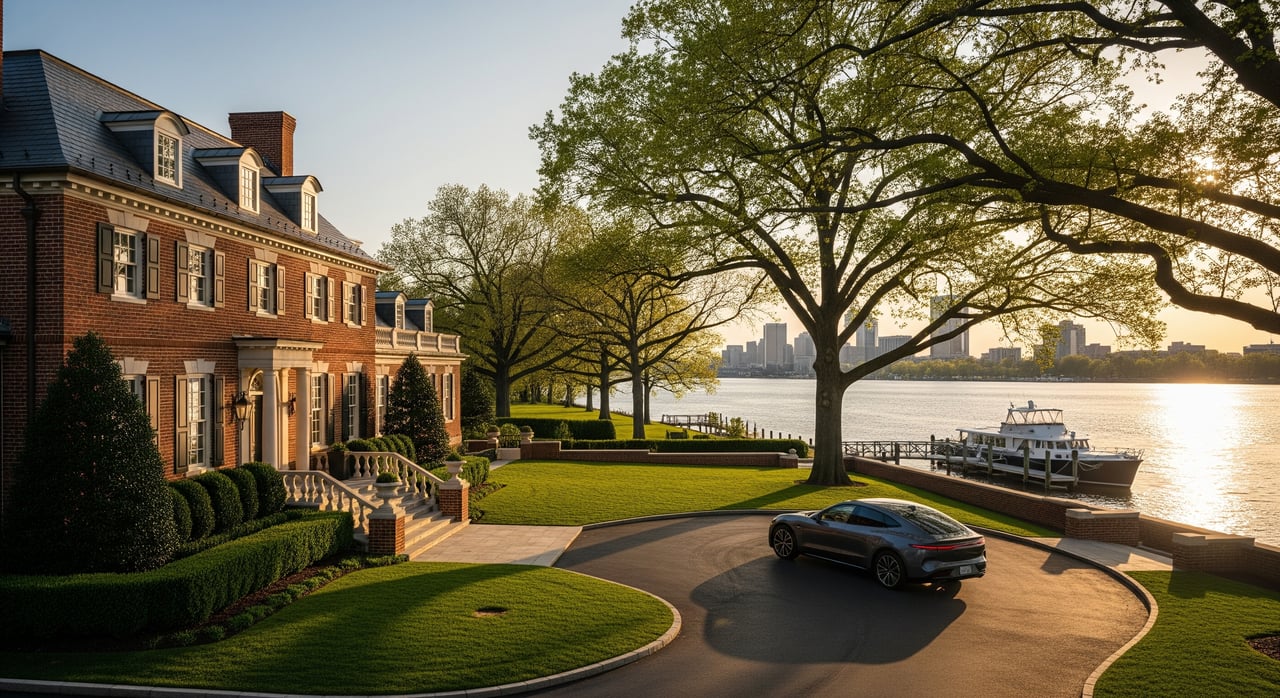
Proximity to the James River is a defining perk of River Road living. The City of Richmond Parks and Recreation system connects you to trails, gardens, and river access points. Highlights include the James River Park System, Pony Pasture Rapids Park for kayaking and fishing, Belle Isle for scenic views, and Maymont for gardens and walking paths. Always review water conditions and local launch points before boating.
Trails, greenways, and clubs
A growing network of trails and multiuse greenways links neighborhoods with river access and parks. Golf, tennis, and country club options exist in the West End suburbs if you want organized recreation and social amenities.
Who it fits
- Incoming professionals: You get a solid balance of quick access to downtown and West End job centers, plus a mix of urban and suburban conveniences.
- Downsizers: You can find single-level ranch homes, townhomes, and condos that reduce maintenance while keeping you close to services, culture, and parks.
Housing and neighborhoods
Home styles and eras
Expect a broad mix:
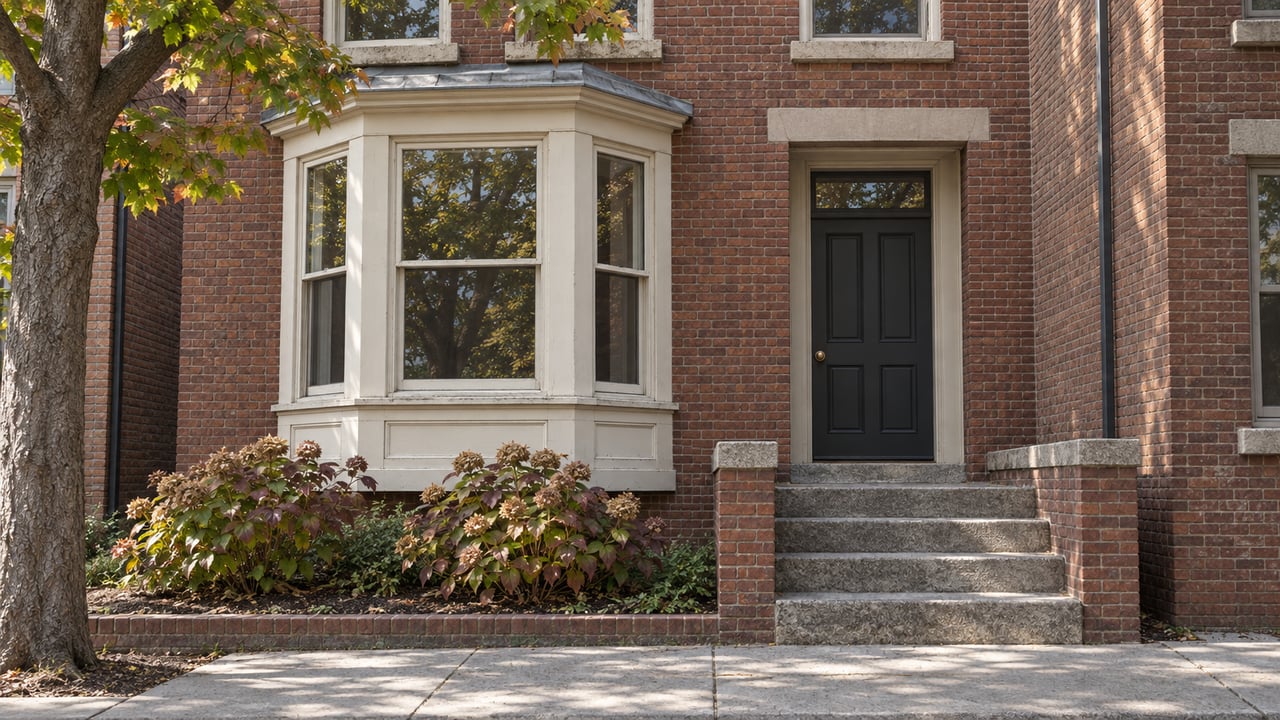
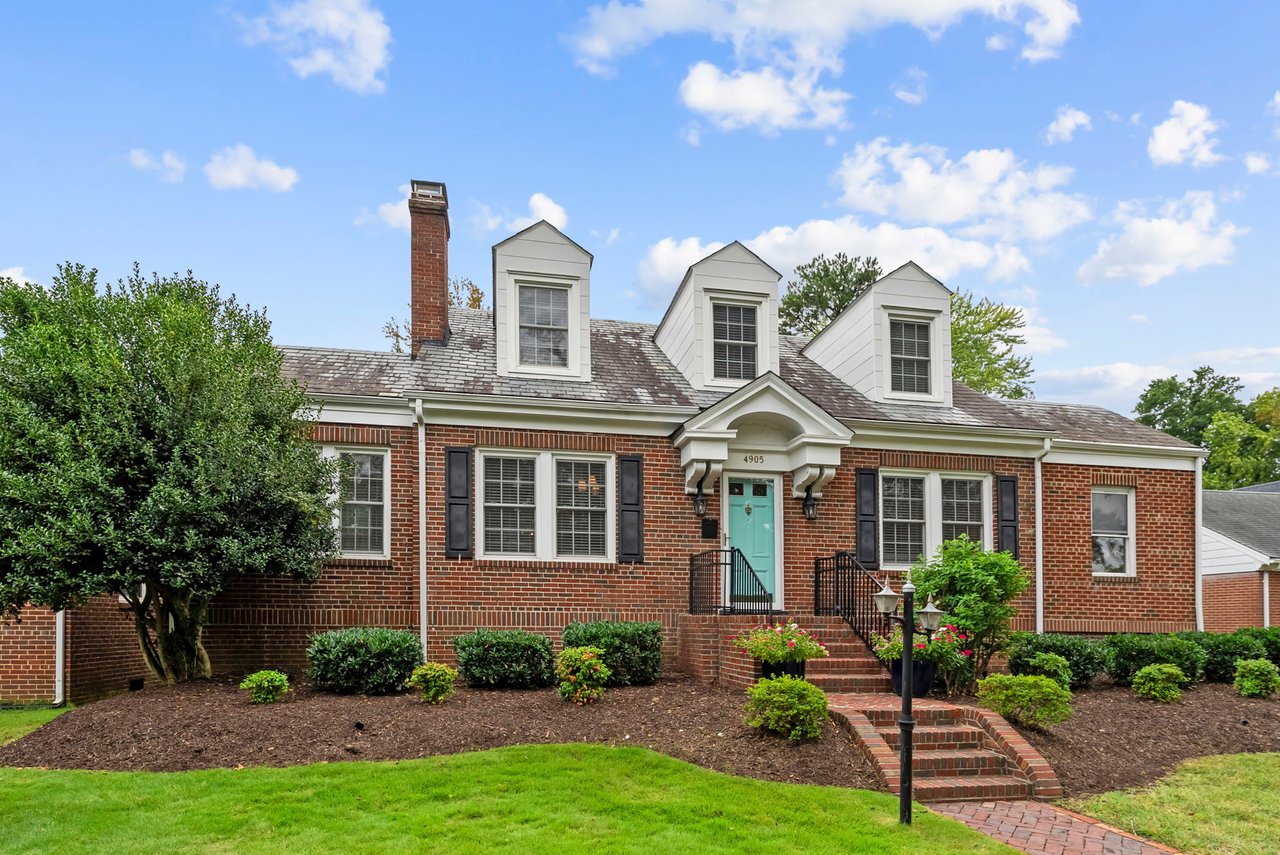
- Early and mid‑20th century single‑family homes, including Colonial, Craftsman, Tudor, and Ranch styles on established, tree‑canopied streets.
- Mid‑late century suburban subdivisions and split‑levels in select pockets.
- Newer townhome and condo communities, with multi‑unit options clustered near major retail nodes and along Broad Street and Short Pump.
Market context
River Road and the West End often command prices at or above city medians, driven by lot size, proximity to amenities, and lifestyle appeal. Homes near the river or private school clusters tend to sit in higher price tiers, while townhomes and condos offer more accessible entry points. For current median prices, inventory, and days on market, consult market reports from the Richmond Association of Realtors or ask your agent for up-to-date MLS comps.
Jurisdiction, taxes, and schools
City of Richmond and Henrico County differ on property taxes, permitting, and municipal services. These differences can affect long-term costs and renovation timelines. Public schools are provided by Richmond Public Schools and Henrico County Public Schools, depending on the address. Performance varies by school. Always verify a specific property’s school assignment directly with the district before making a decision.
Condition and flood risk
Many older homes come with period character and system updates to consider. Pay attention to roofing, foundations, mechanicals, electrical, and insulation. Low-lying parcels near the James may fall within FEMA flood zones. Review the FEMA Flood Map Service Center for flood status and discuss insurance implications with your provider. If a property has an elevation certificate, ask to review it during due diligence.
How to evaluate your fit
Use this simple plan to pressure-test River Road living for your lifestyle:
- Commute test. Run your exact addresses through live routing at your real commute times. Compare interstate and surface routes, and check VDOT’s 511 maps on peak days.
- Transit check. Confirm bus access and transfer points using the GRTC route map and schedules. If you plan to use the Pulse BRT, note where you will connect to Broad Street.
- Amenities recon. Visit West Broad Village, Short Pump, the Libbie/Westhampton node, and Carytown at the times you would actually shop or dine. Look at parking and walkability.
- School verification. Use the resources from Richmond Public Schools or Henrico County Public Schools to confirm assignments for any address you are considering.
- Flood diligence. Check the FEMA Flood Map Service Center. If a home appears near the river or in a lower-lying area, discuss coverage and costs early.
- Market clarity. Ask your agent for MLS comps and trend data or review summaries from the Richmond Association of Realtors to understand pricing, days on market, and inventory in your target micro-area.
Ready to see how the options line up with your goals? With deep neighborhood knowledge and hands-on construction experience, Gary Martin helps you weigh commute trade-offs, evaluate condition, and spot the right lifestyle fit before you write an offer. Let’s talk about your Richmond home.
FAQs
How long is the commute from River Road to downtown Richmond?
- Commute time depends on your start and end points, time of day, and whether you use interstates or surface streets; test live routes and check VDOT’s 511 map during peak periods.
Is the River Road area transit-friendly for daily errands?
- GRTC service is stronger along major corridors like Broad Street; many River Road residential streets are car-dependent, so review the GRTC route map and schedules for your exact address.
What public school systems serve the River Road corridor?
- Addresses fall into either Richmond Public Schools or Henrico County Public Schools based on jurisdiction; verify a property’s assignment directly with the district.
Are flood risks a concern near the James River in the West End?
- Some low-lying parcels near the river can be in FEMA flood zones; check the FEMA Flood Map Service Center and confirm insurance needs before you buy.
What types of homes are most common along River Road?
- You will find early and mid‑20th century single‑family homes, mid‑late century subdivisions, and newer townhomes and condos, especially near major retail nodes.
How do Richmond vs. Henrico services and taxes impact ownership?
- Property taxes, permitting, and municipal services vary by jurisdiction; confirm the address location early and factor service differences into your long-term budget and renovation plans.