If you are trying to picture daily life in Richmond’s Near West End, it helps to think beyond a single shopping strip. This part of the region works more like a connected lifestyle network, where errands, coffee, dinner, parks, and practical stops are spread across several nearby destinations. If you are buying or selling here, understanding that pattern can help you see what makes the area so appealing. Let’s dive in.
What defines the Near West End
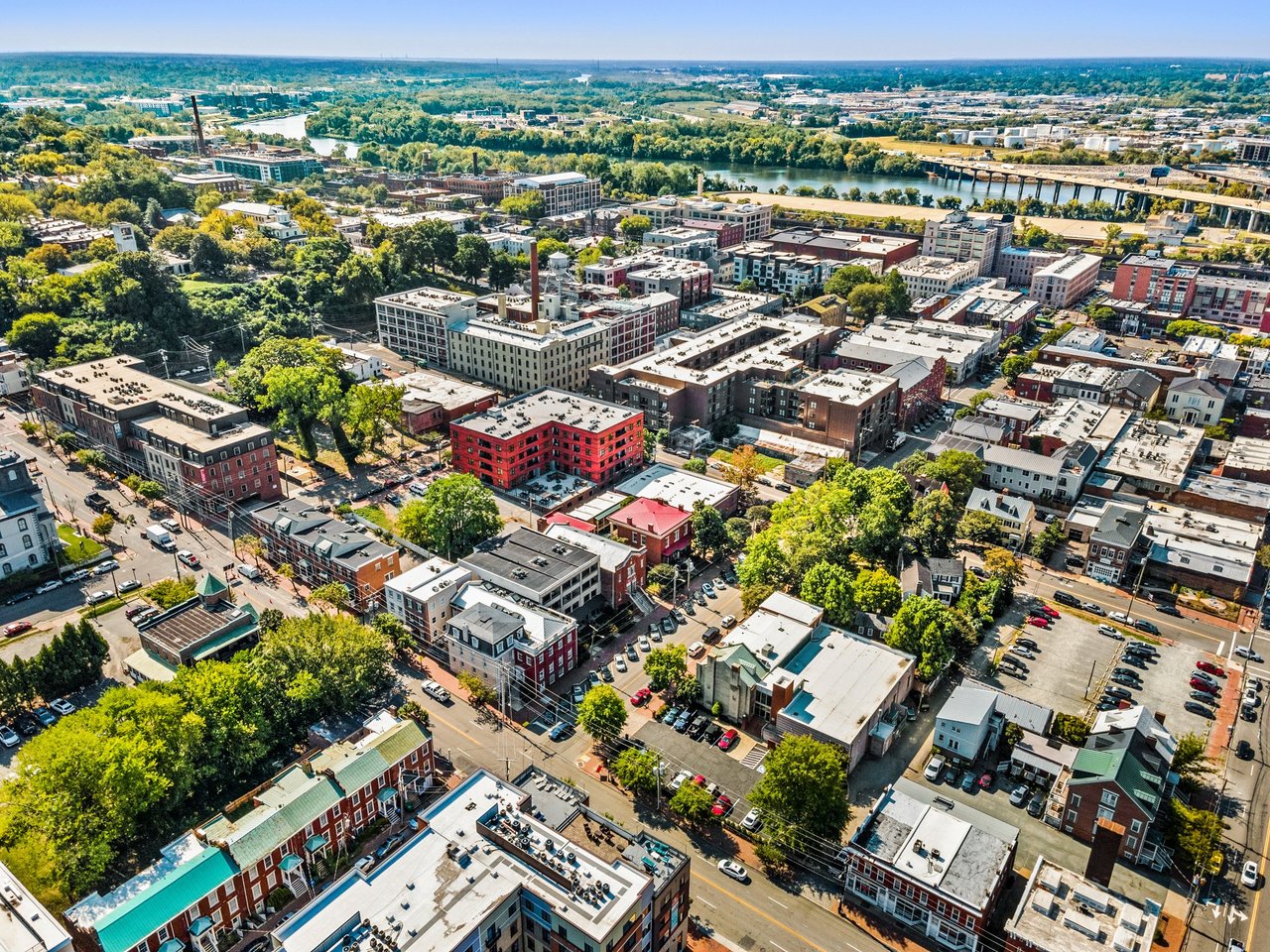
The Near West End is best understood as a group of connected amenity areas rather than one central retail district. On the Richmond side, Carytown, Libbie & Grove, and River Road stand out as established shopping destinations. In Henrico, Libbie Mill and the Willow Lawn/Pulse corridor extend that same day-to-day convenience farther west.
For you as a buyer, that means daily life can feel flexible and layered. For you as a seller, it means the lifestyle story is strong because residents are not relying on just one commercial node. They have several nearby options for groceries, dining, services, and outdoor time.
Shopping in the Near West End
Carytown brings the biggest retail mix
Carytown is the most concentrated shopping district in the area. According to the City of Richmond, it includes more than 250 shops and 25 dining establishments across nine blocks. The mix includes boutiques, bookstores, candy shops, bike shops, coffee spots, and patios, which gives the district both everyday usefulness and weekend energy.
If you like neighborhoods where browsing is part of the rhythm of life, Carytown helps set that tone. It is a place where you can knock out a quick stop or spend a full afternoon moving from one storefront to the next.
Libbie & Grove offers a smaller corridor feel
Libbie & Grove has a different pace. The City of Richmond describes it as a destination for specialty shops and restaurants, including fashion, fabrics, antiques, gifts, crafts, art galleries, and sidewalk cafes.
That smaller-scale setup appeals to people who want convenient access to shopping and dining without the intensity of a larger district. It adds variety to the Near West End by giving you another distinct place to run errands or meet up with friends.
River Road supports practical errands
River Road Shopping Center plays a more errand-oriented role in the area. The city highlights it as a hub for women’s fashion retailers and names stores such as Chico’s, Pendleton, and Talbots.
This matters because strong neighborhoods are not built on restaurants alone. They also depend on practical places that make weekly routines easier, and River Road adds that layer to the west-side lifestyle picture.
Libbie Mill adds a newer mixed-use option
Libbie Mill Midtown adds a more recent mixed-use dimension to the Near West End. It combines residences, retail, office space, trails, green space, and the Libbie Mill Library within one development.
For many buyers, that mix can feel especially convenient because several parts of daily life sit close together. It also shows how the Near West End continues to grow without losing its broader pattern of connected destinations.
Groceries and everyday errands
Grocery choices are spread across the area
One of the biggest strengths of the Near West End is grocery redundancy. Instead of having just one obvious store, you have several distinct options depending on what you need and where you are headed.
That may sound simple, but it shapes daily life in a major way. Easy access to multiple grocery and prepared-food options can make a neighborhood feel more livable, especially when your weekdays are busy.
Carytown and nearby options cover quick trips
Ellwood Thompson’s serves as a classic grocery anchor in Carytown. The store describes itself as an unofficial anchor of the district and offers organic and local-focused groceries, prepared foods, and a deli-cafe component.
That kind of store supports more than a shopping trip. It also gives you a place for a quick lunch, a grab-and-go dinner plan, or a last-minute stop on the way home.
West End markets add convenience
Libbie Market adds another neighborhood grocery option with gourmet sandwiches, sushi, salad bar items, wine and beer, and catering. Yellow Umbrella in Westhampton expands the mix with specialty grocery items, seafood, meats, prepared foods, and provisions.
Stella’s Grocery at River Road also works as a hybrid market-cafe stop. Its mix includes prepared foods, pressed sandwiches, specialty groceries, desserts, beer and wine, lifestyle gifts, and an espresso bar.
Libbie Mill supports daily routines
Libbie Mill’s tenant mix adds more convenience to the west-side pattern. In addition to restaurants and market-style stops such as Yellow Umbrella, RVA Bakehouse, Starbucks, Brass Tap, and Shagbark, the development also includes service-oriented businesses like salons, banking, and fitness-related tenants.
That matters if you are trying to reduce how far you need to drive for day-to-day tasks. It gives the area another practical anchor beyond the older retail corridors.
The library is part of daily life too
The Libbie Mill Library is a major everyday-life asset in Henrico. Henrico Public Library describes it as the centerpiece of Libbie Mill Midtown, with study rooms, public computers, printing and copying, a children’s reading garden, and drive-up return and pickup services.
For many households, a good library adds real value to a neighborhood routine. It creates another useful stop in the weekly pattern, whether you need workspace, books, or a convenient pickup service.
Dining and coffee across the west side
The food scene is varied, not one-note
The Near West End offers a broad mix of dining rather than one single style. Carytown’s official visitor materials point to coffee shops, bakeries, patios, a craft brewery, cocktail spots, and restaurants.
That range gives you choices for both ordinary weekdays and more social weekends. You can keep things simple with coffee or take your time with a full dinner, all within the west side of the region.
Coffee stops are easy to find
Coffee is part of the daily routine in this area, but it is spread out across several nodes. Carytown Coffee highlights fair-trade and organic coffees and teas, while Fuel Pump describes itself as a Carytown coffee station and cocktail bar. Grit Coffee also has a Libbie Avenue location.
This kind of spread reinforces the Near West End’s everyday convenience. You are not tied to one block for your usual stop, which makes the area feel flexible as your routine changes from workdays to weekends.
From quick bites to destination dinners
For sit-down meals, the area offers both casual and more occasion-driven options. Shagbark at Libbie Mill is known for a Virginia-focused menu, a wine program, a communal table, and patio or bar-lounge seating. The Continental in Westhampton covers brunch, lunch, dinner, and happy hour on Grove Avenue.
At the same time, places like Stella’s Grocery fill the gap between restaurant dining and practical convenience. That balance is a big part of why the Near West End feels easy to live in.
Parks, trails, and outdoor access
Byrd Park adds major green space
Byrd Park is one of the area’s signature outdoor destinations. The City of Richmond describes it as a 287-acre park with lakes, a tennis complex, picnic areas, a dog park, and Dogwood Dell Amphitheater.
Large green spaces can shape how a neighborhood feels just as much as shops and restaurants do. Byrd Park gives the Near West End a strong civic outdoor anchor for walks, recreation, and events.
Smaller parks support quieter routines
Bandy Field Nature Park offers a more low-key option. The park group describes it as an 18-acre city park in Richmond’s West End, with about 13 acres in Henrico County and a 0.7-mile loop trail that is popular with walkers and runners.
That smaller footprint can be just as meaningful in daily life. Not every outing needs to be a major destination, and places like Bandy Field help round out the neighborhood rhythm.
Libbie Mill and Deep Run expand options
Libbie Mill Midtown adds neighborhood-scale outdoor features such as pocket parks, a dog park, Libbie Lake, trails, and plazas. Farther west, Deep Run Park and Recreation Center broadens the outdoor menu with ponds, walkways, playgrounds, open space, a gazebo, 3.4 miles of paved trails, and a pump track.
Together, these spaces show that outdoor access is not limited to one park. You have a range of choices depending on whether you want a quick walk, open space, or a longer trail loop.
Getting around the Near West End
Transit adds another layer of convenience
The west-side lifestyle story is not only about what is nearby. It is also about how you move between those places. GRTC’s Pulse connects Willow Lawn and Rockett’s Landing, is fare-free, and operates every 10 minutes at weekday peak times and every 15 to 30 minutes at other times.
For some residents, that adds practical flexibility for work, errands, or meeting friends across the city. Even if you mainly drive, nearby transit can still make an area feel more connected.
Why this matters when buying or selling
Buyers should look at the full lifestyle map
If you are buying in the Near West End, it helps to evaluate the area as a network instead of focusing on one address or one shopping strip. Carytown, Libbie & Grove, River Road, Libbie Mill, parks, coffee stops, and grocery options all work together to shape the experience of living here.
That broader view can help you find the right fit for your routine. Some buyers want to be close to a busy retail corridor, while others care more about quick errands, quieter green space, or mixed-use convenience.
Sellers can tell a stronger neighborhood story
If you are selling, this area gives you more than one lifestyle angle to highlight. Depending on the home’s location, the story may center on Carytown access, nearby markets, coffee stops, parks, mixed-use convenience, or the ability to choose between multiple everyday destinations.
That kind of positioning matters because buyers often respond to how a home supports their routine, not just its square footage. In a lifestyle-driven area like the Near West End, the surrounding pattern of daily life is part of the value.
The Near West End stands out because it offers choice. You can run practical errands, grab coffee, meet friends for dinner, visit a library, and spend time outdoors without relying on a single destination. If you want help understanding how that lifestyle translates into home value, buyer fit, or smart positioning for a sale, Gary Martin can help you make sense of the Richmond market.
FAQs
What shopping areas make up Richmond’s Near West End lifestyle?
- The Near West End is shaped by several connected destinations, including Carytown, Libbie & Grove, River Road, Libbie Mill, and the Willow Lawn/Pulse corridor.
What grocery options are available in the Near West End of Richmond?
- Grocery and market options in and around the Near West End include Ellwood Thompson’s, Libbie Market, Yellow Umbrella, Stella’s Grocery at River Road, and market-style stops within Libbie Mill.
What parks are near Richmond’s Near West End?
- Outdoor options include Byrd Park, Bandy Field Nature Park, Libbie Mill’s trails and green spaces, and Deep Run Park and Recreation Center in Henrico.
What is daily dining like in Richmond’s Near West End?
- The area offers a mix of coffee shops, bakeries, patios, casual prepared-food stops, and sit-down restaurants, with choices spread across Carytown, Westhampton, River Road, and Libbie Mill.
How does transit support life in the Near West End of Richmond?
- GRTC’s fare-free Pulse serves the Willow Lawn corridor and runs frequently, adding another transportation option for getting across the city.